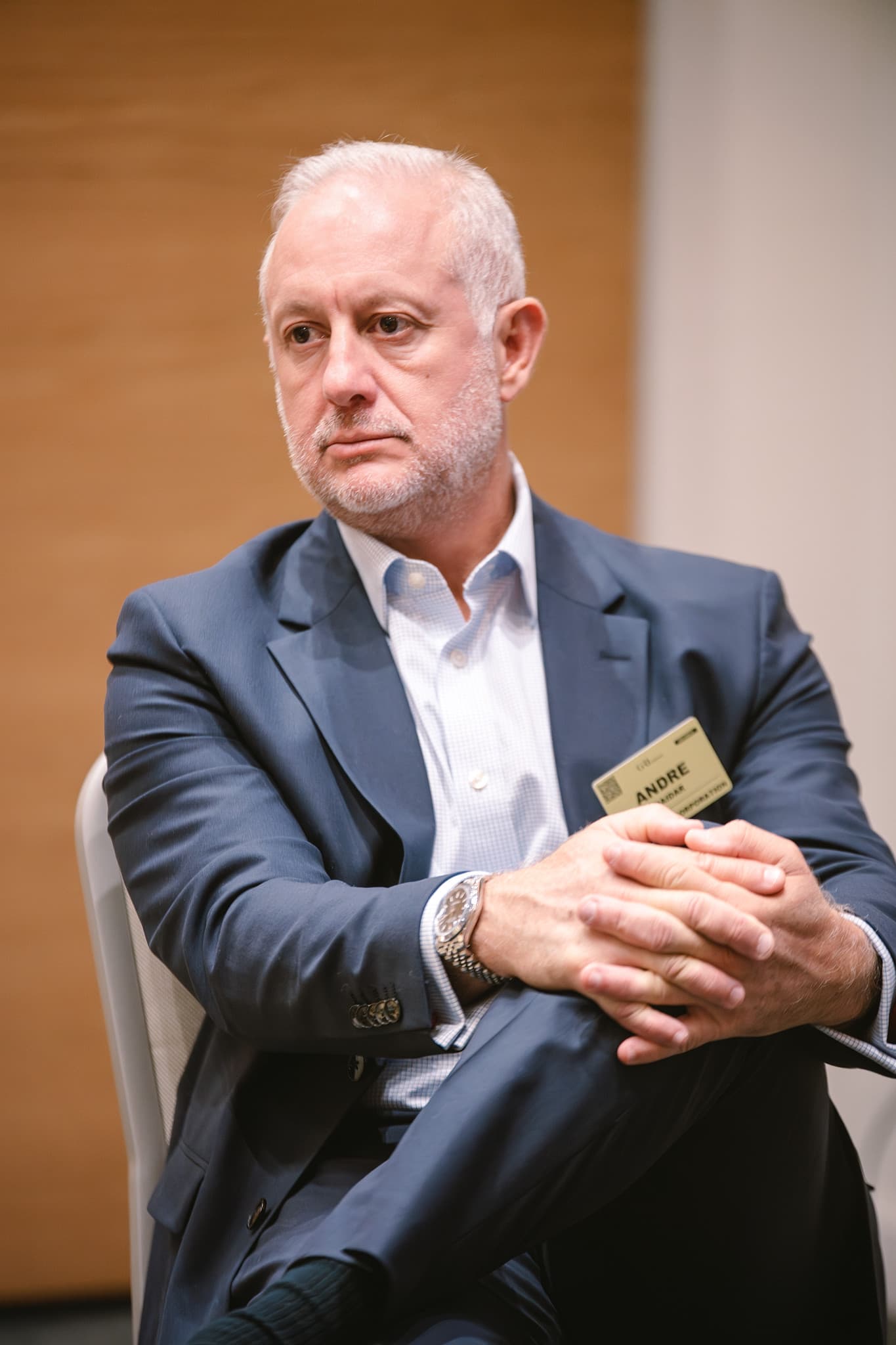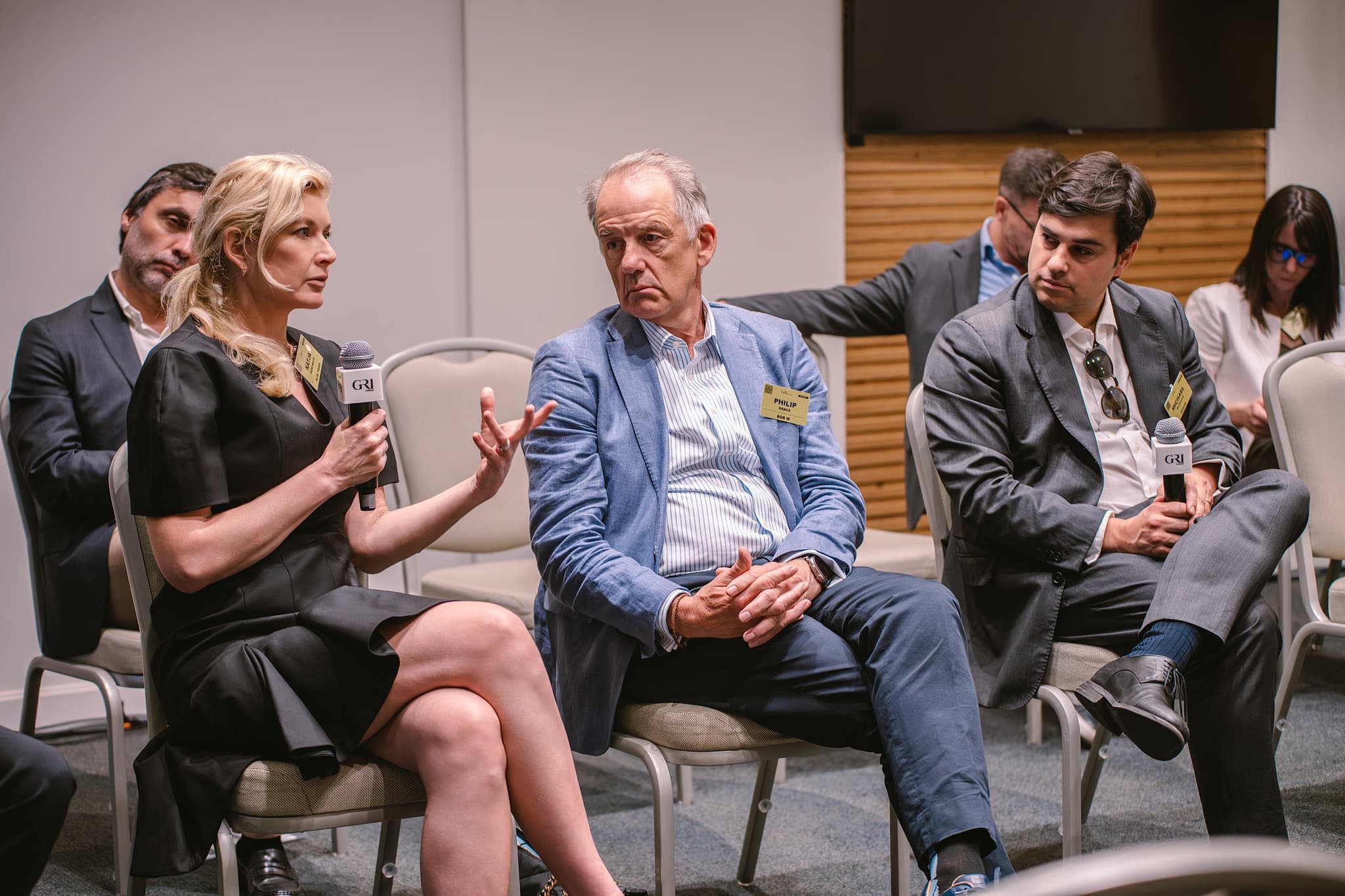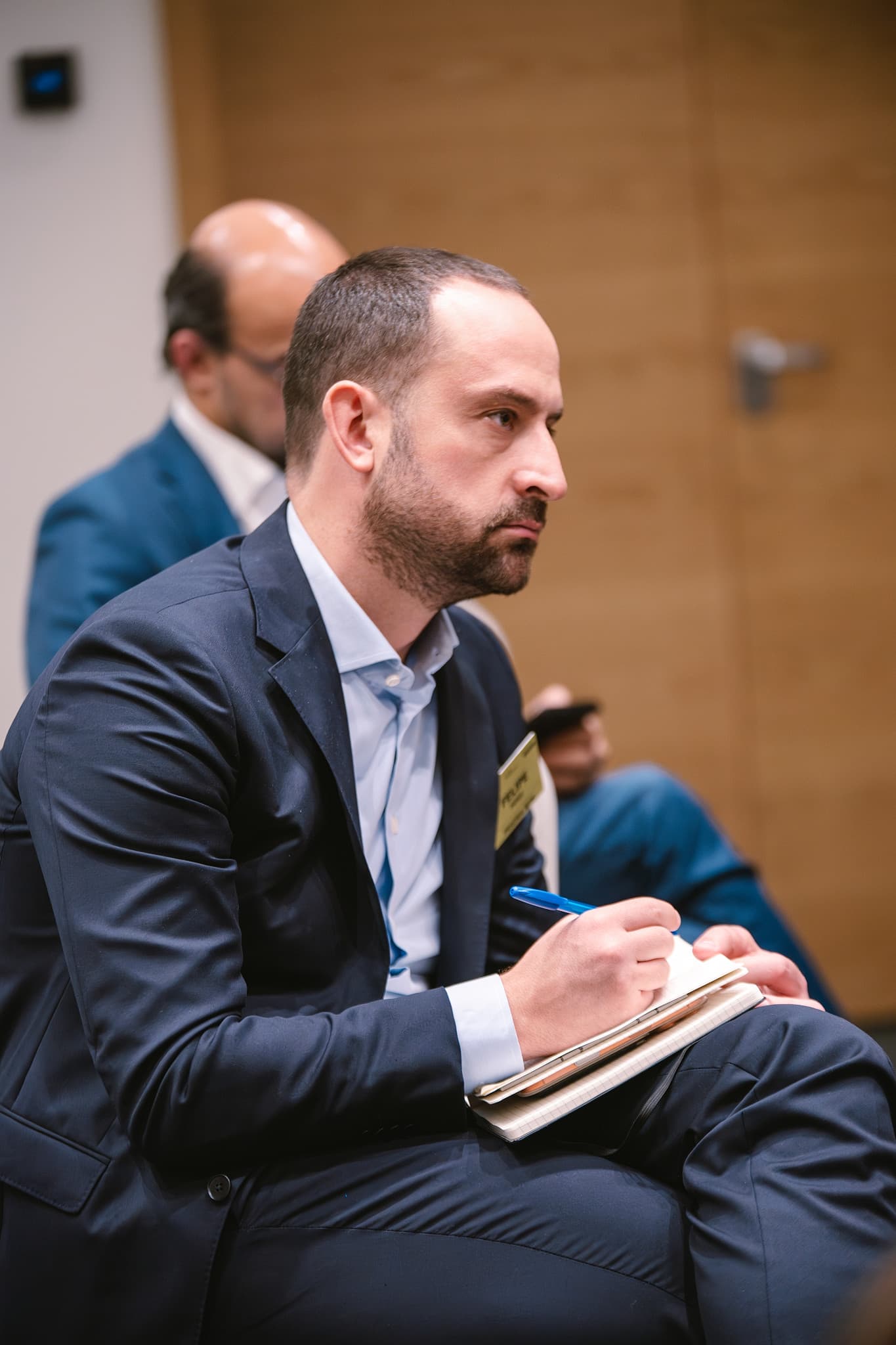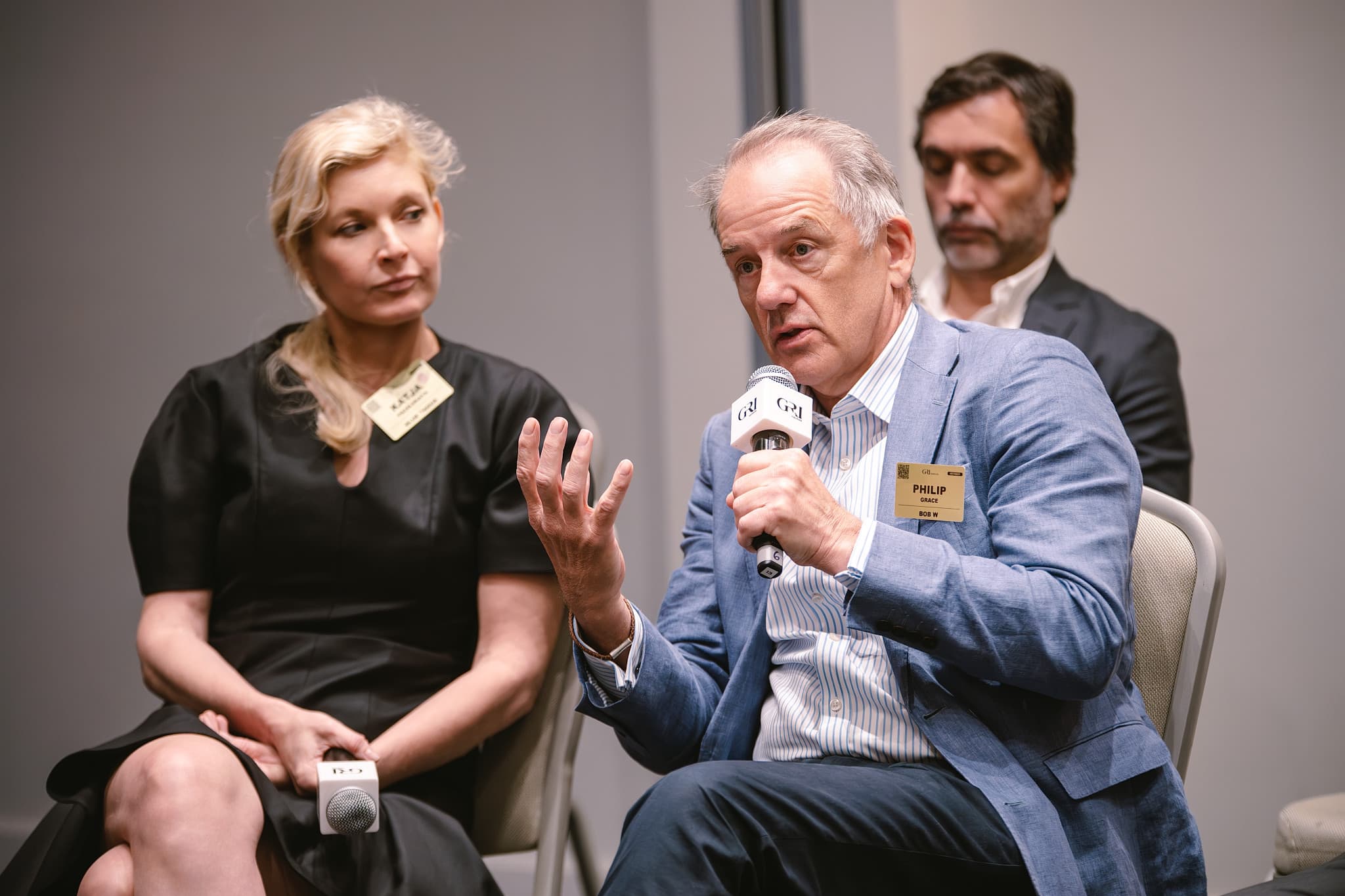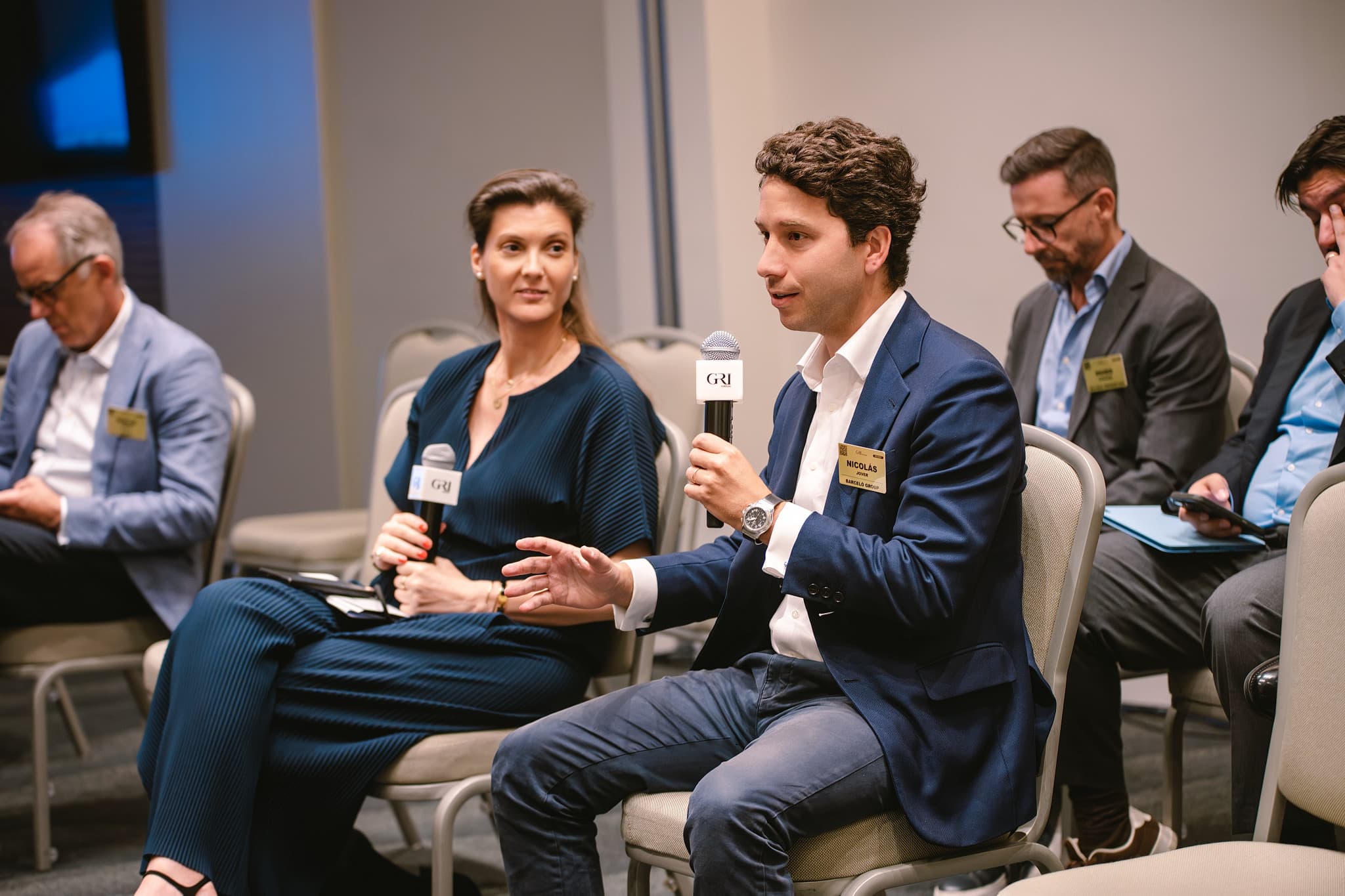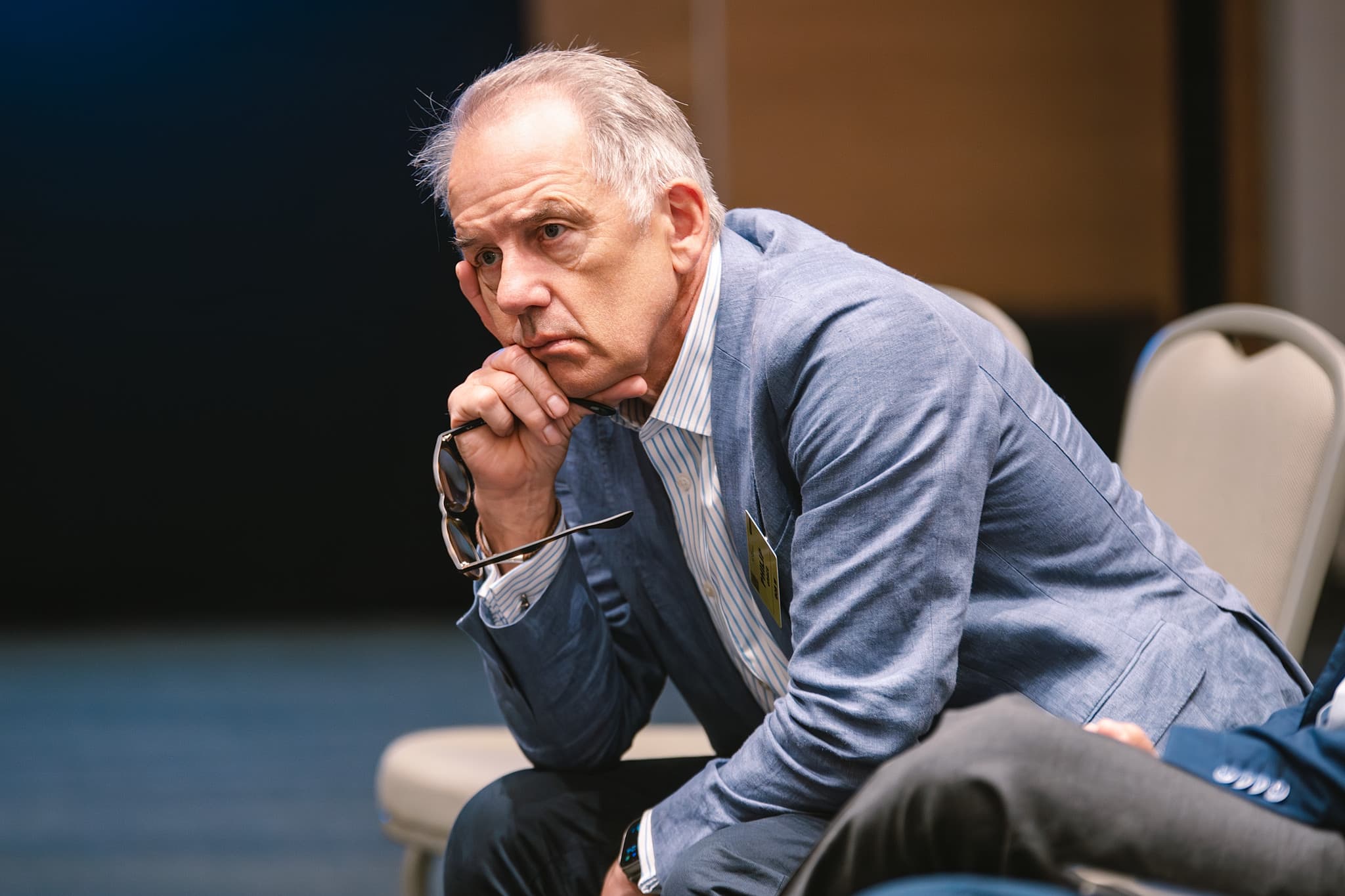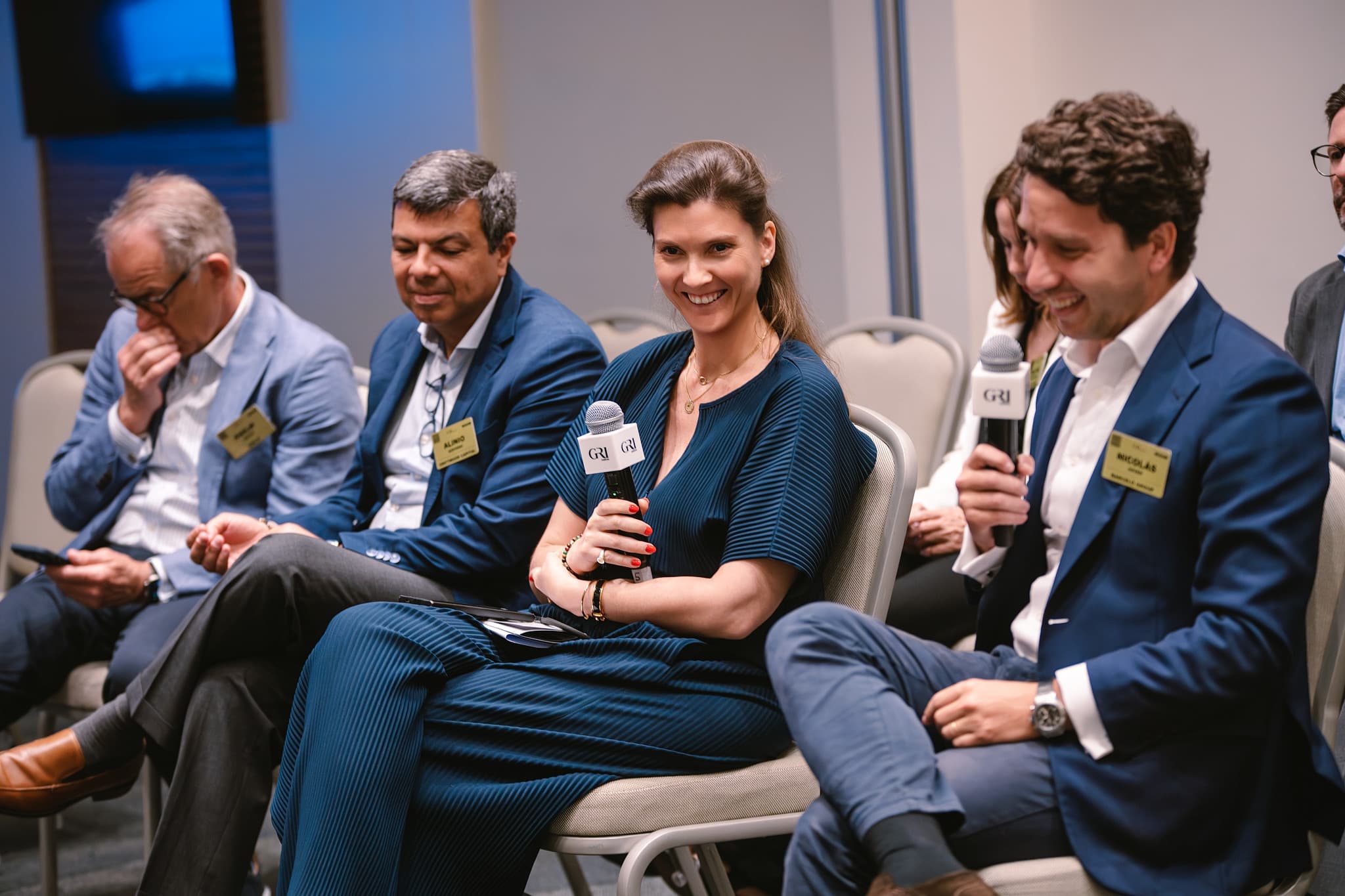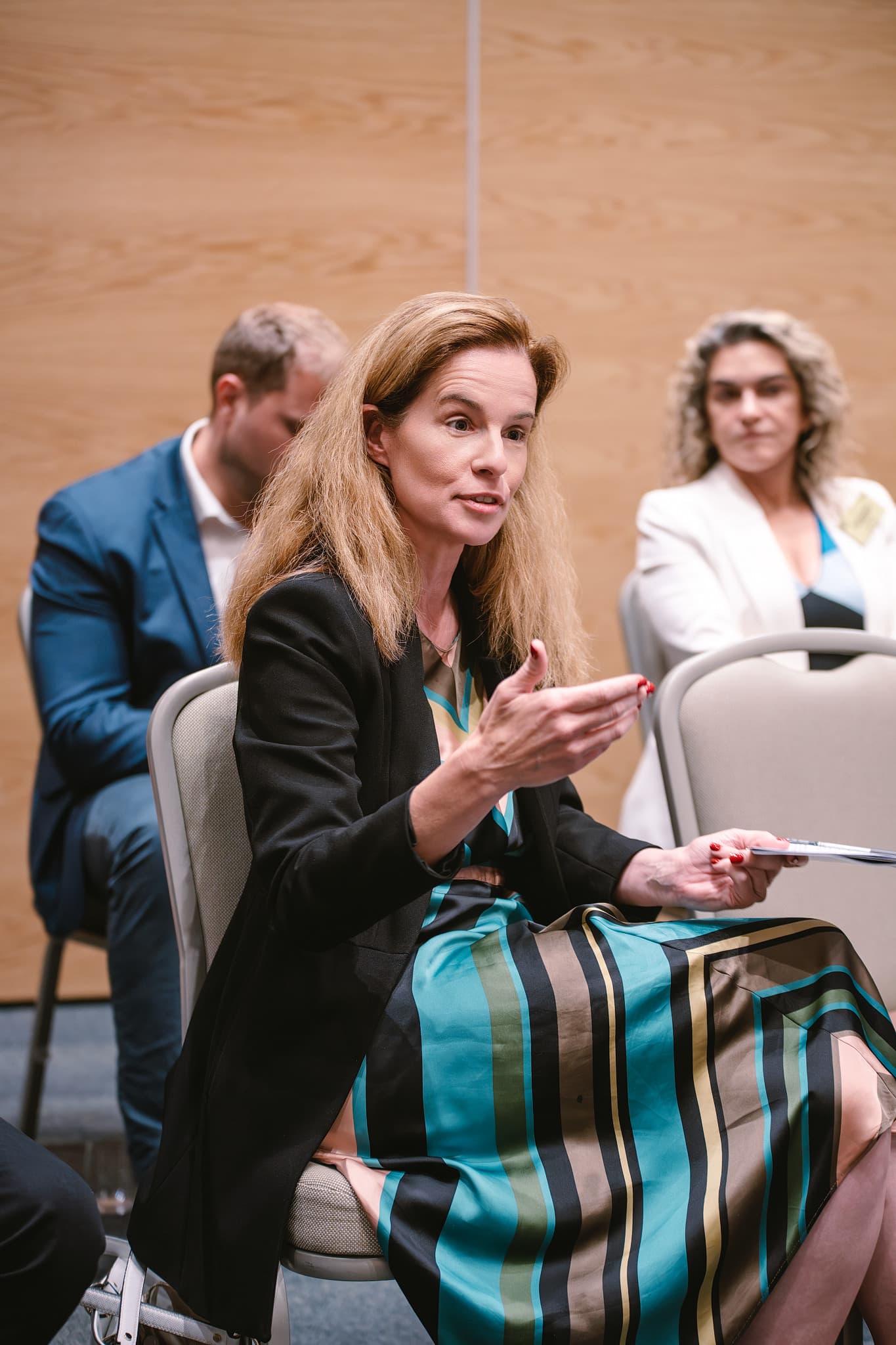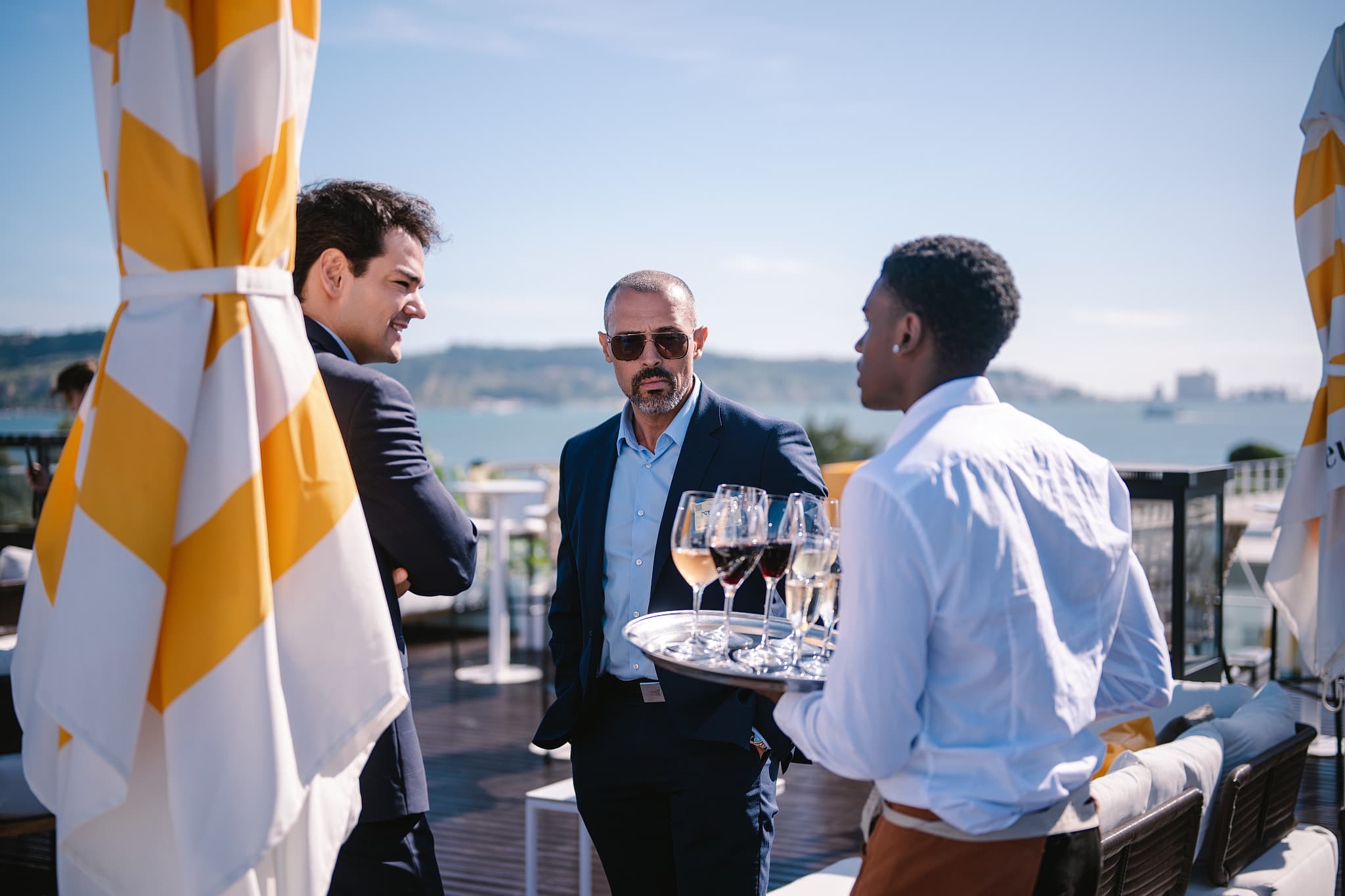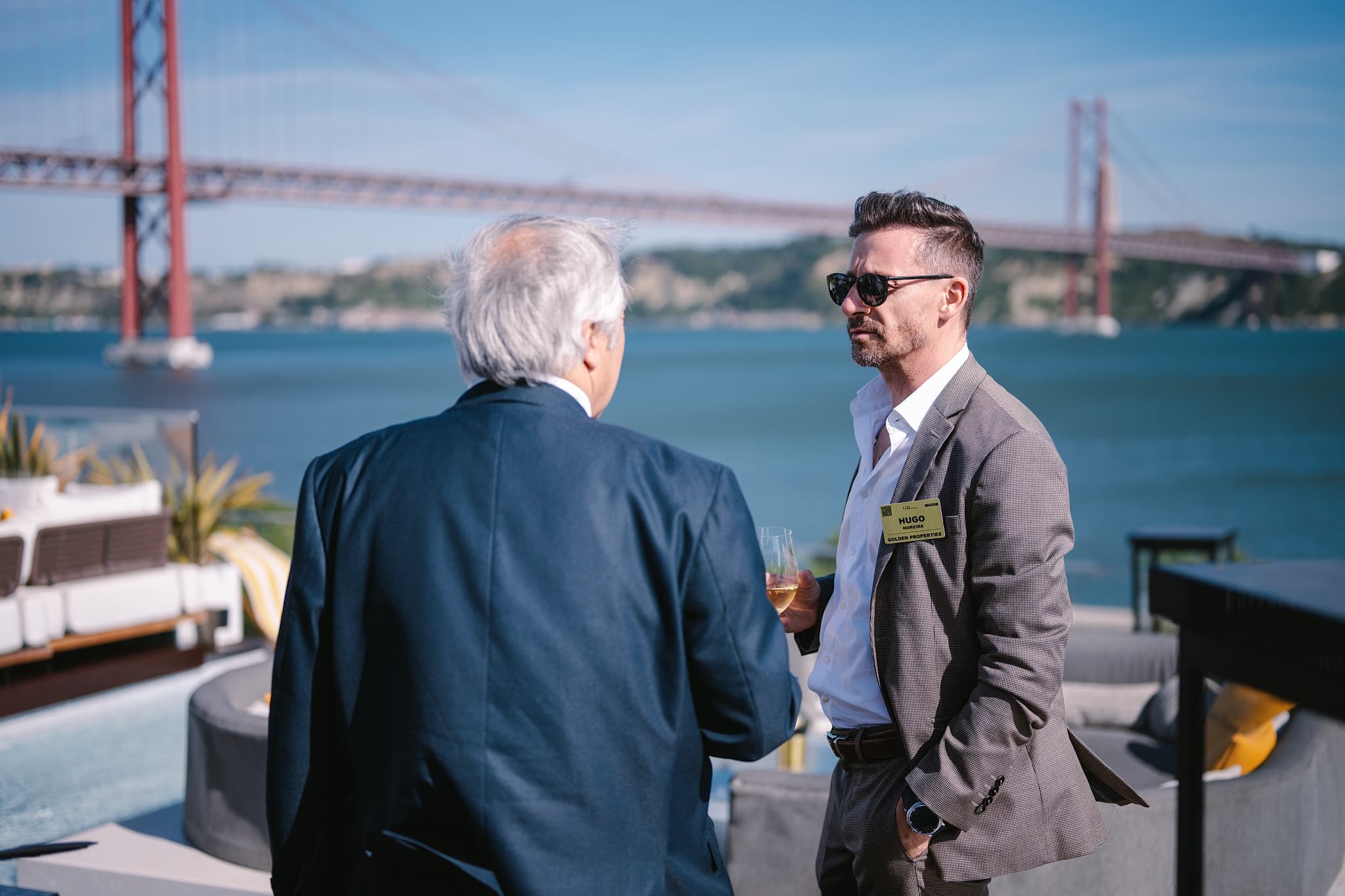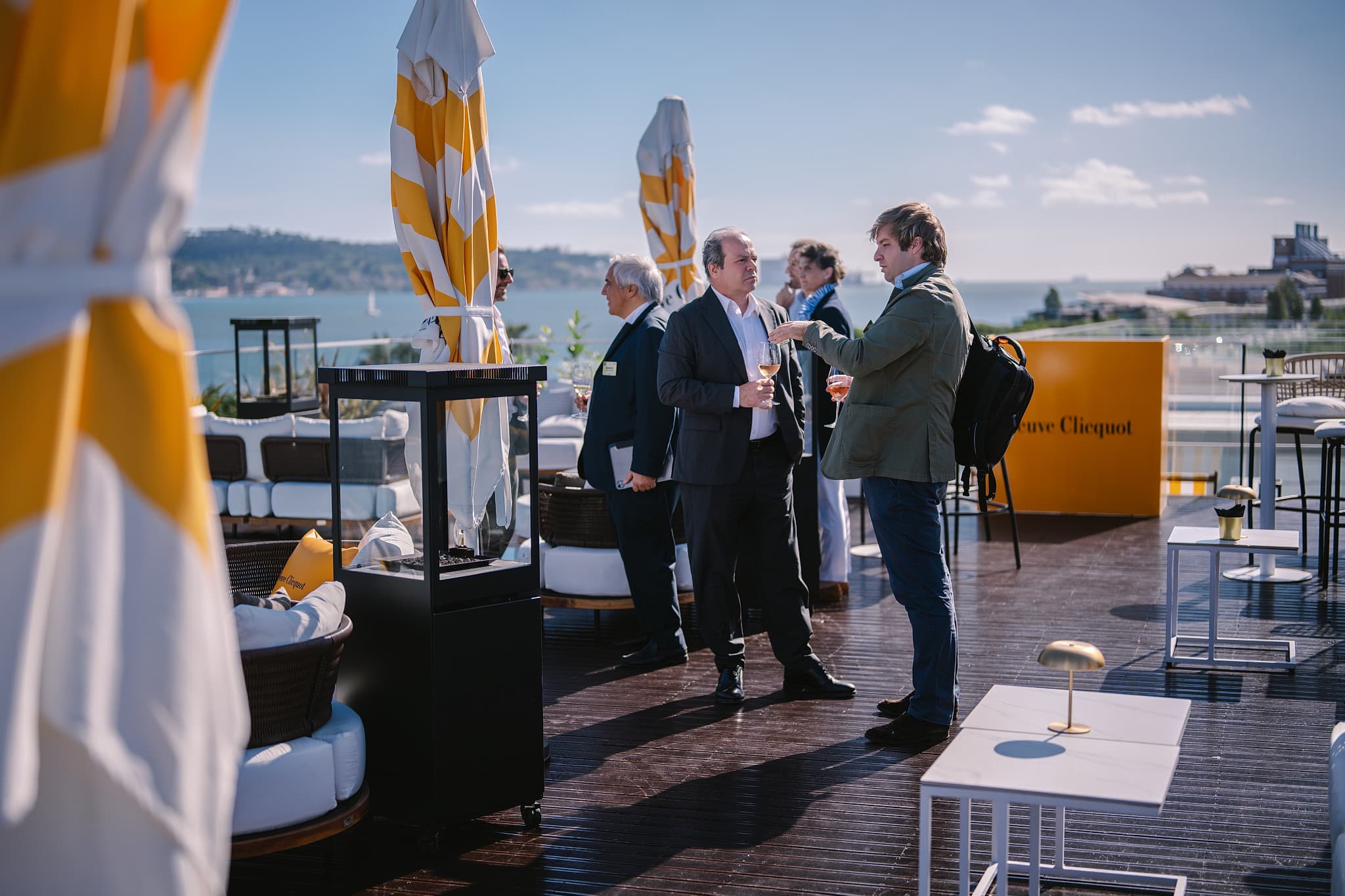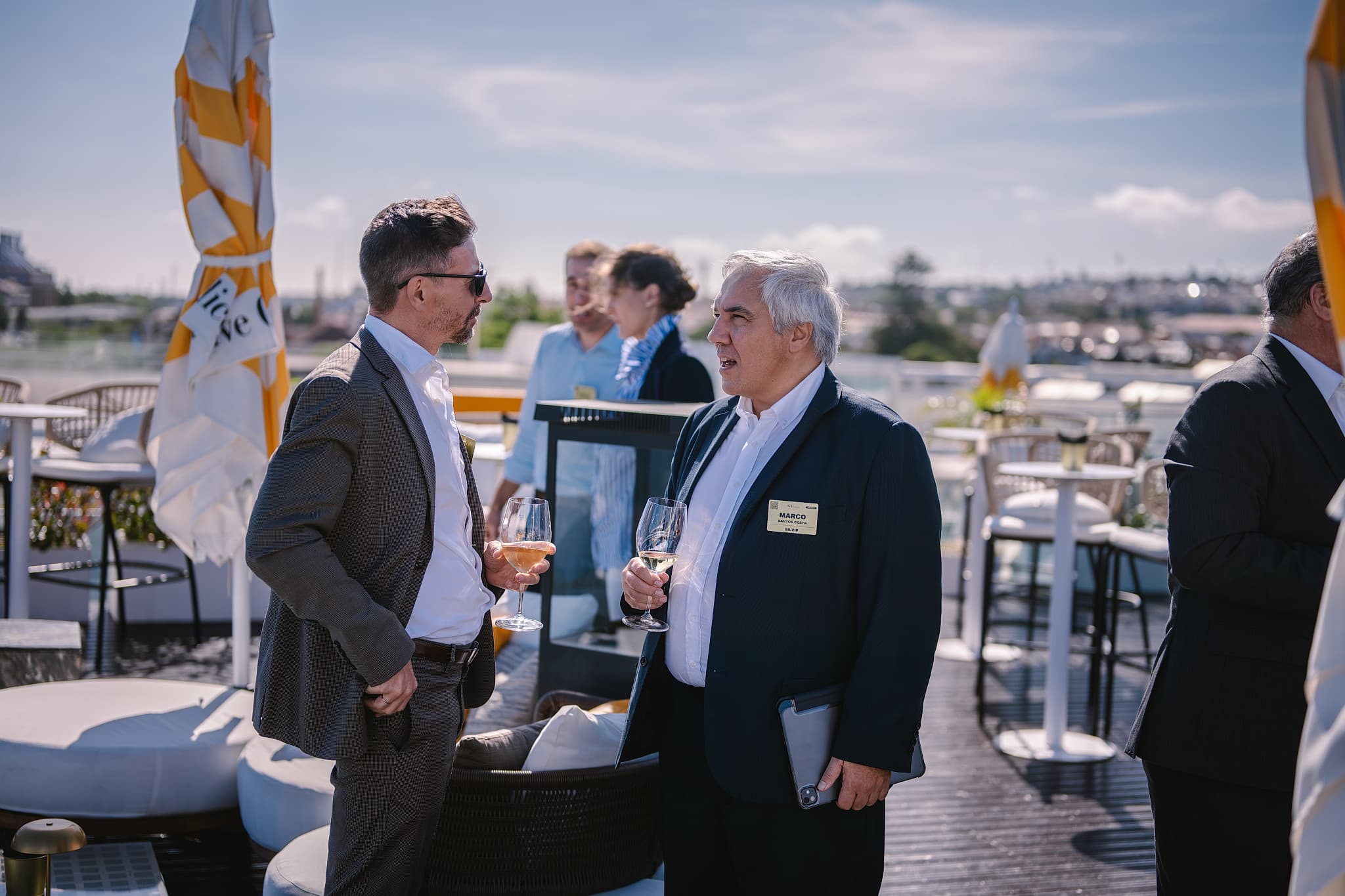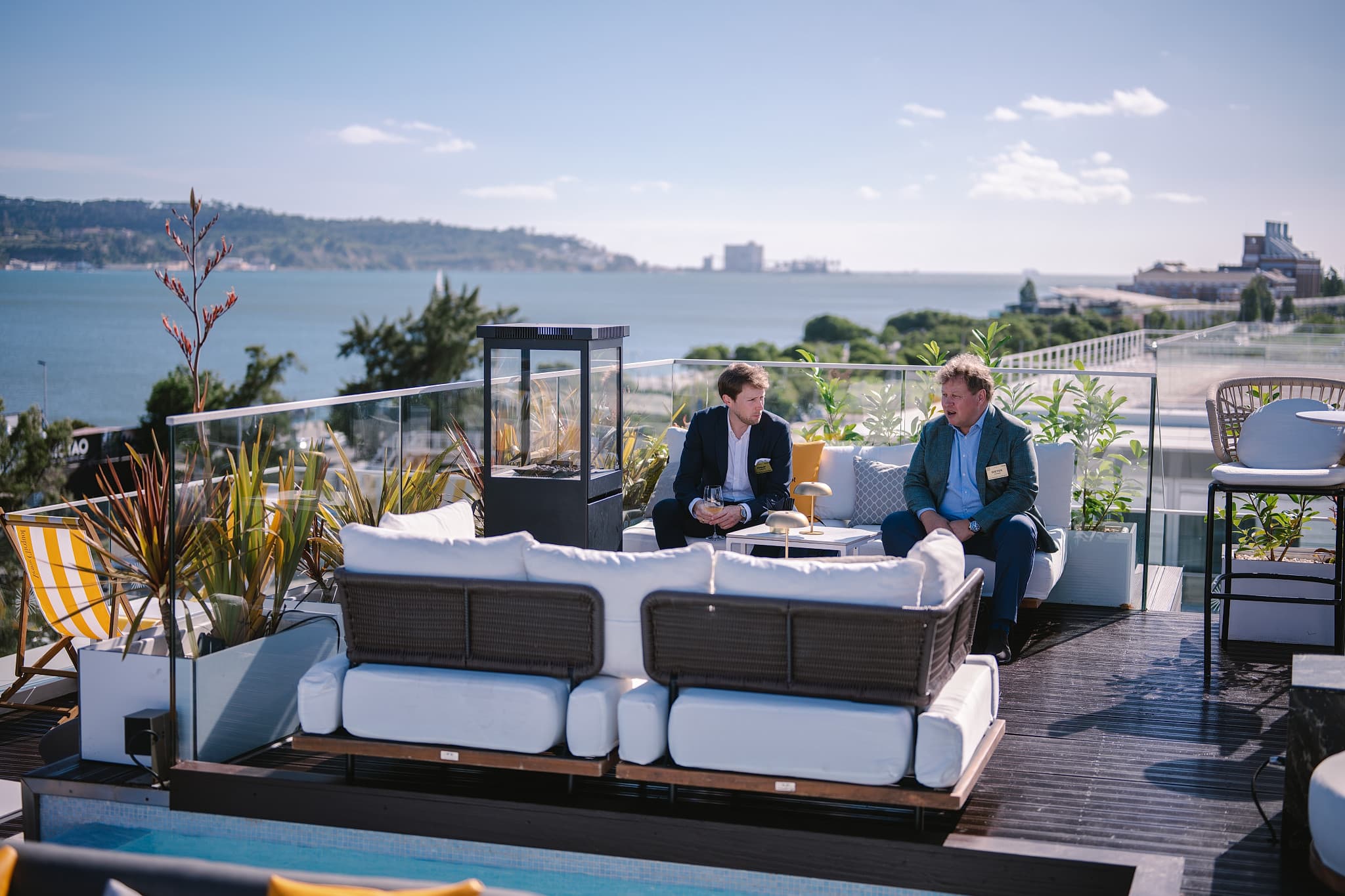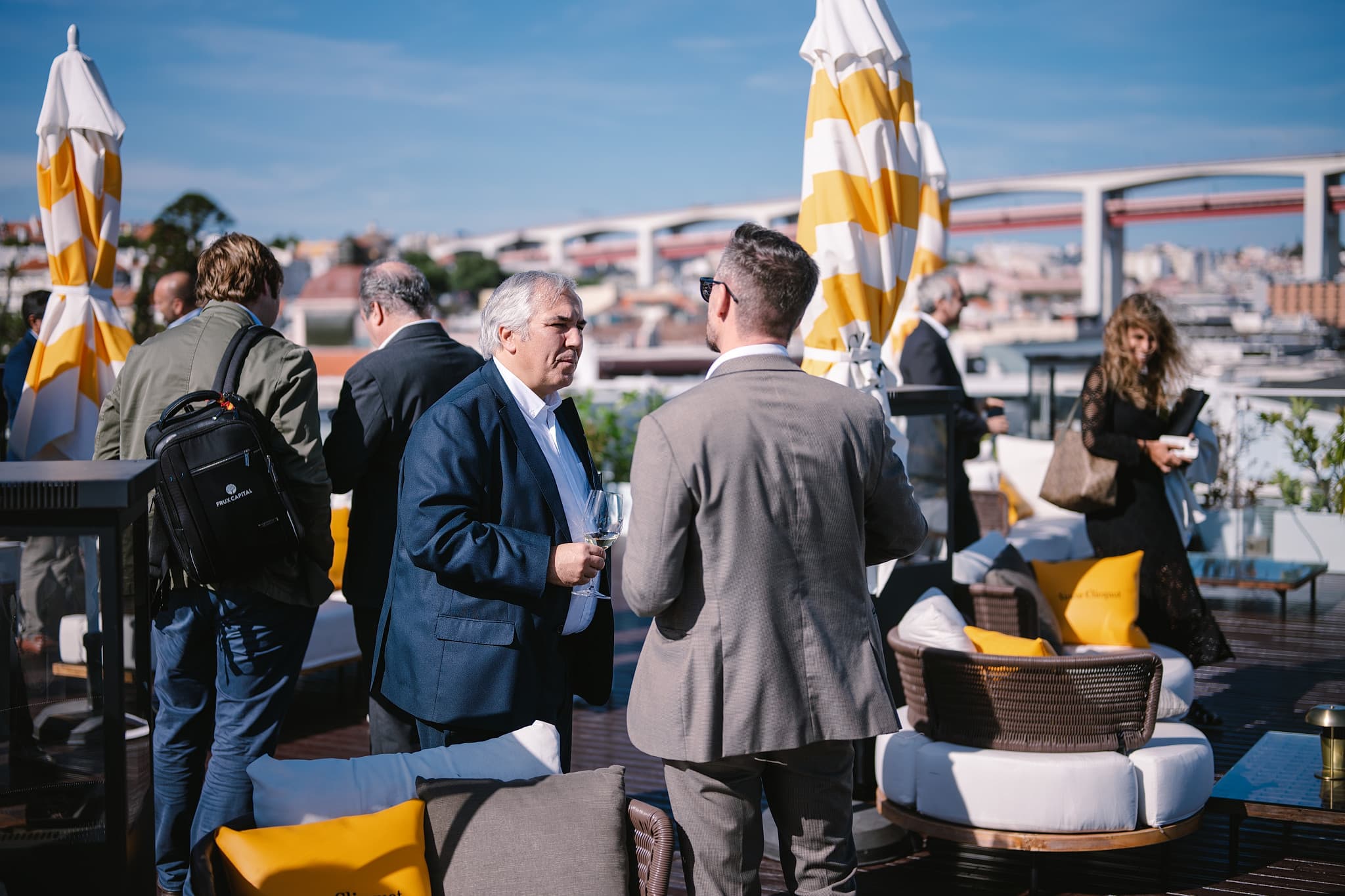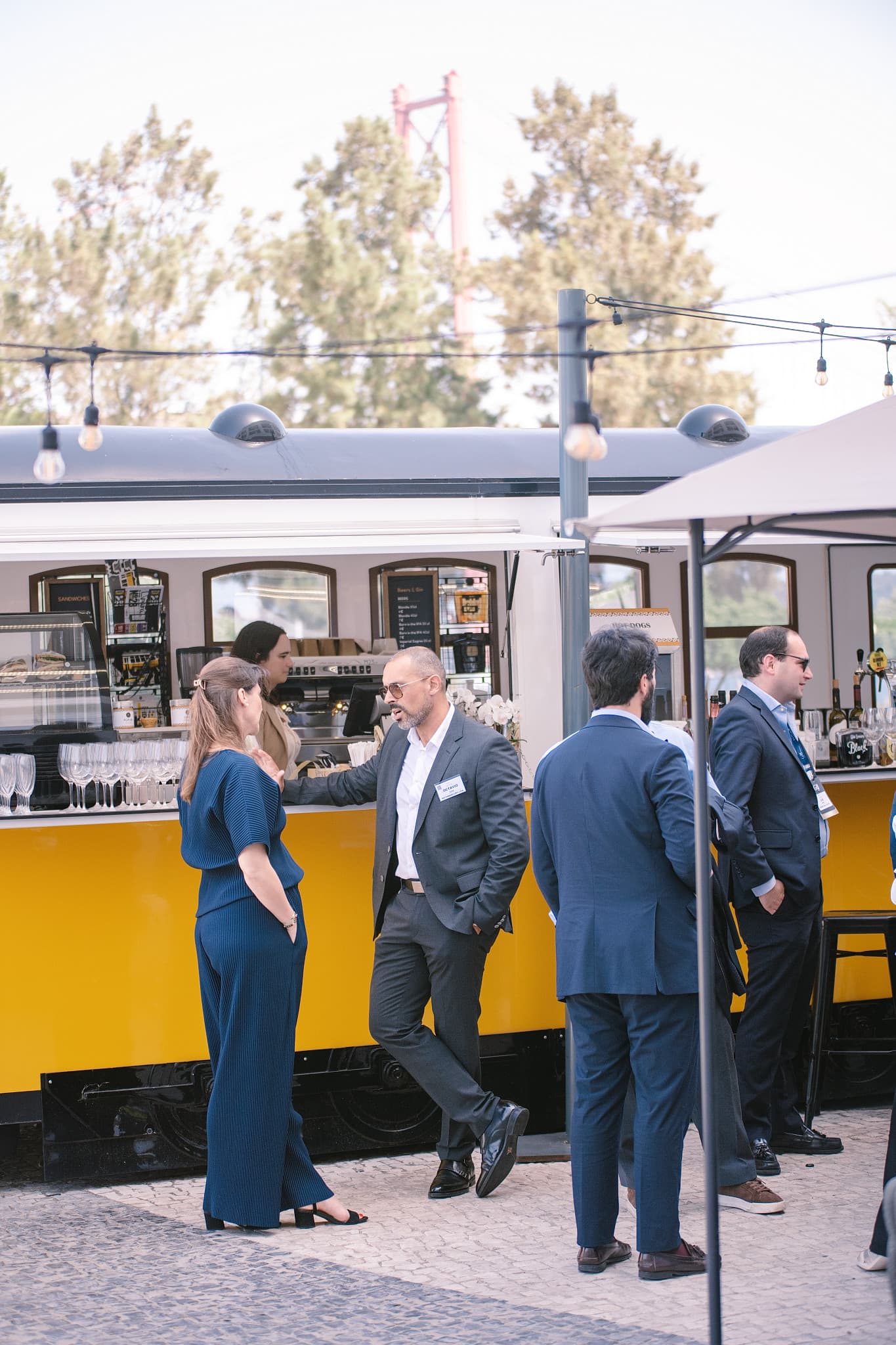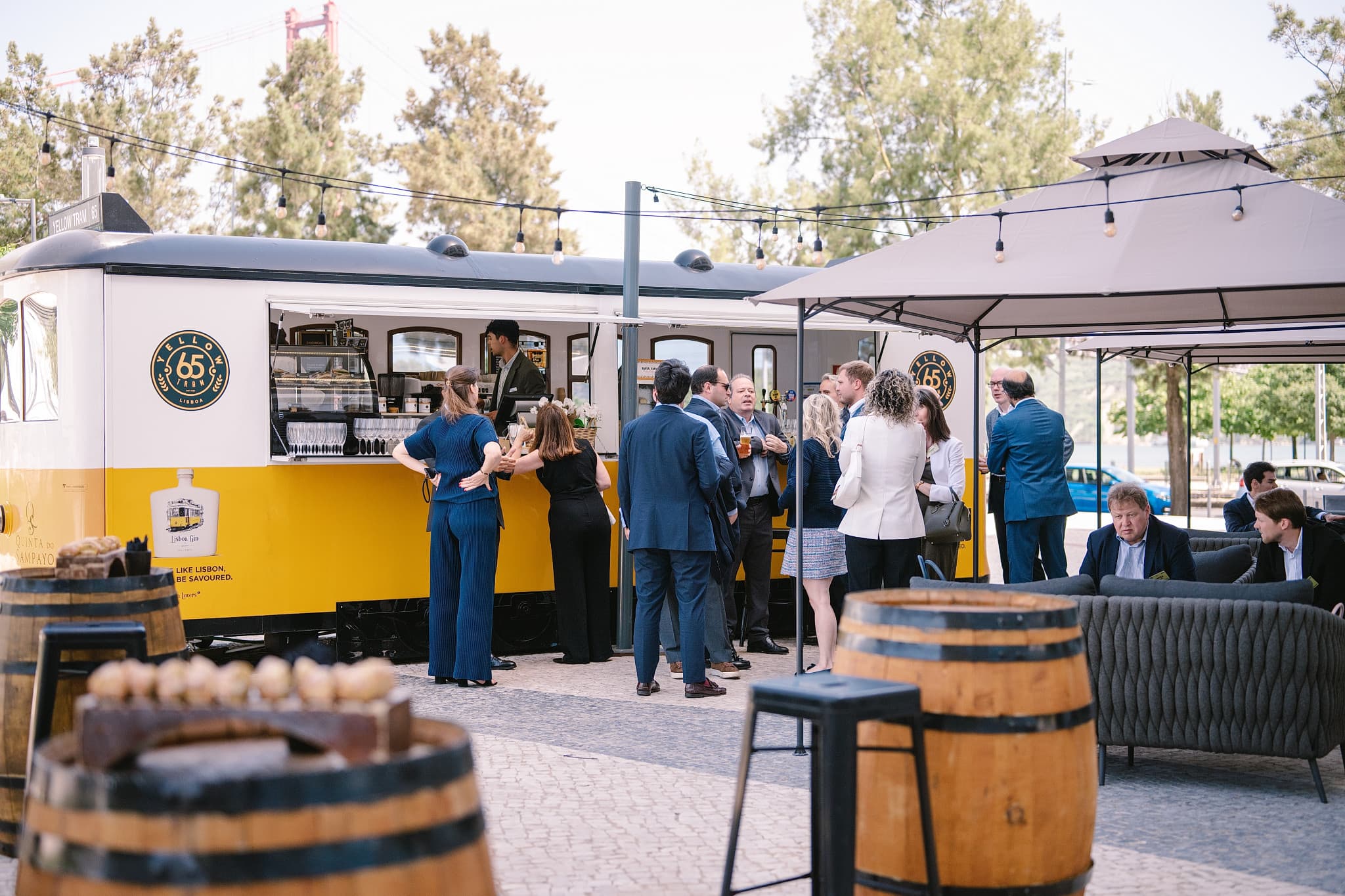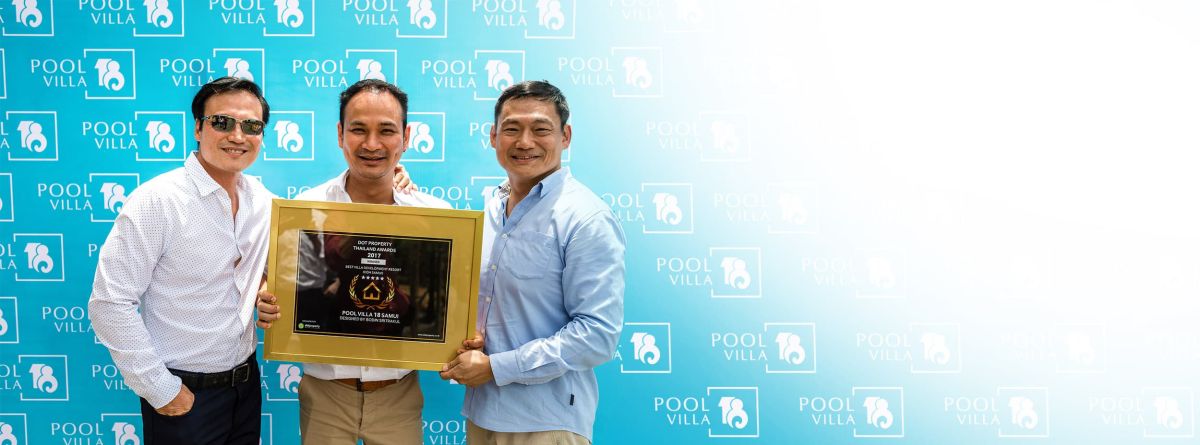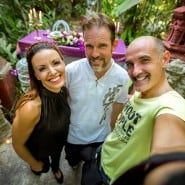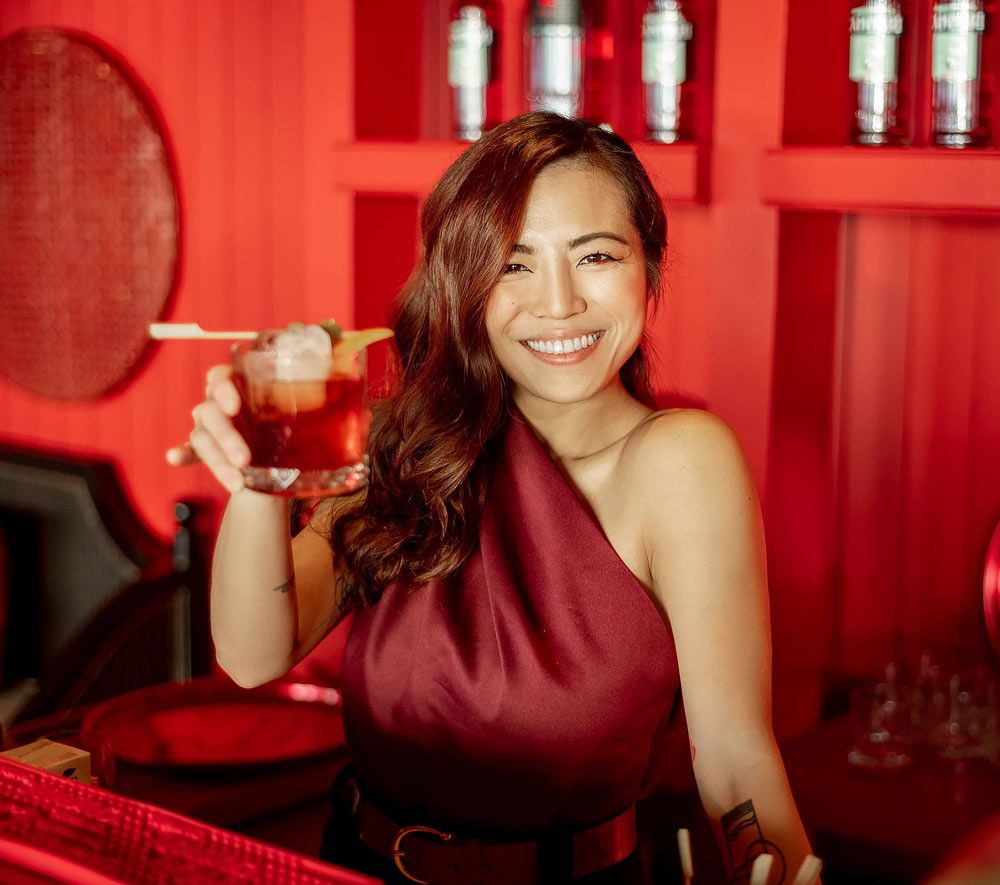
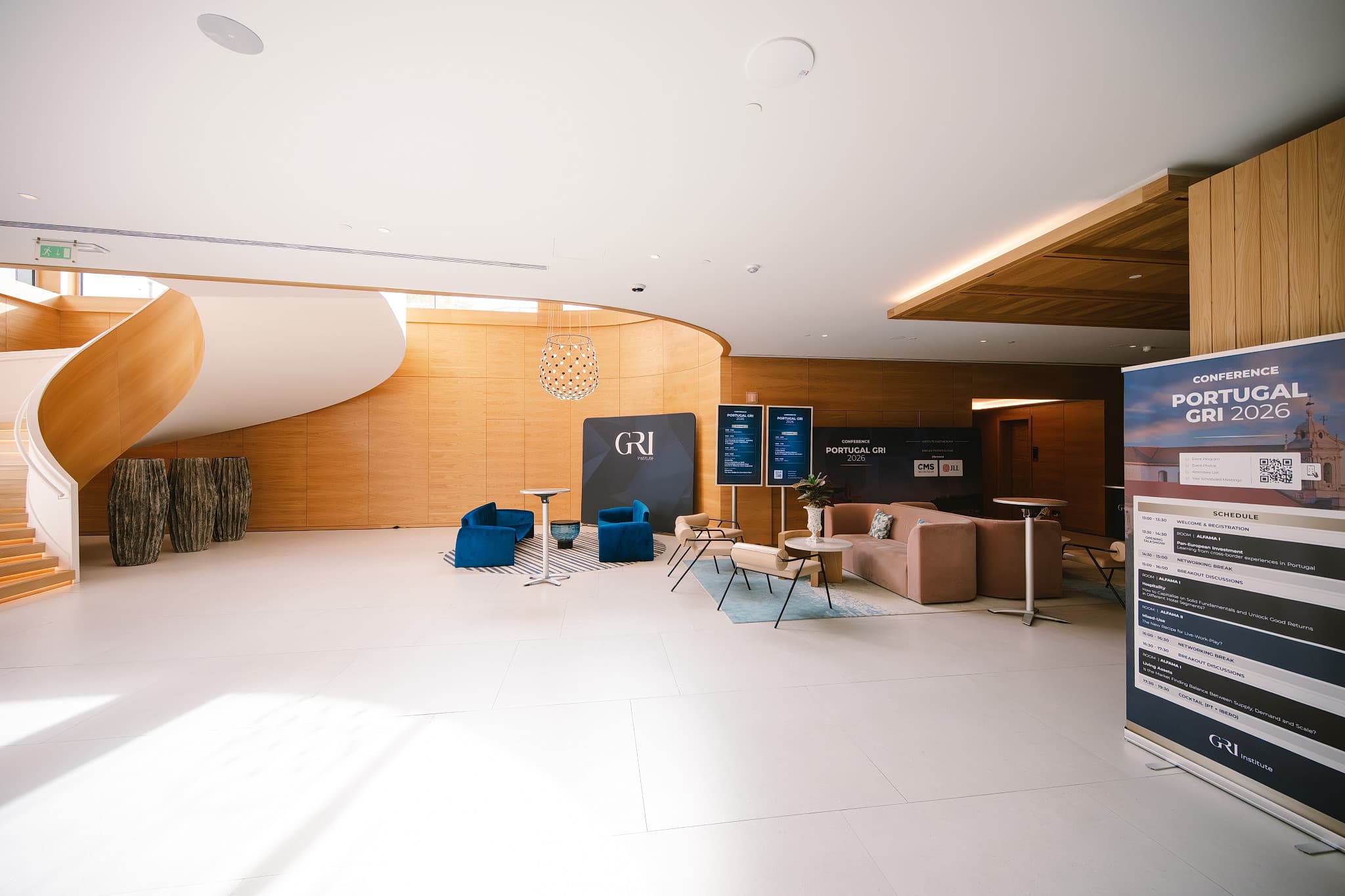
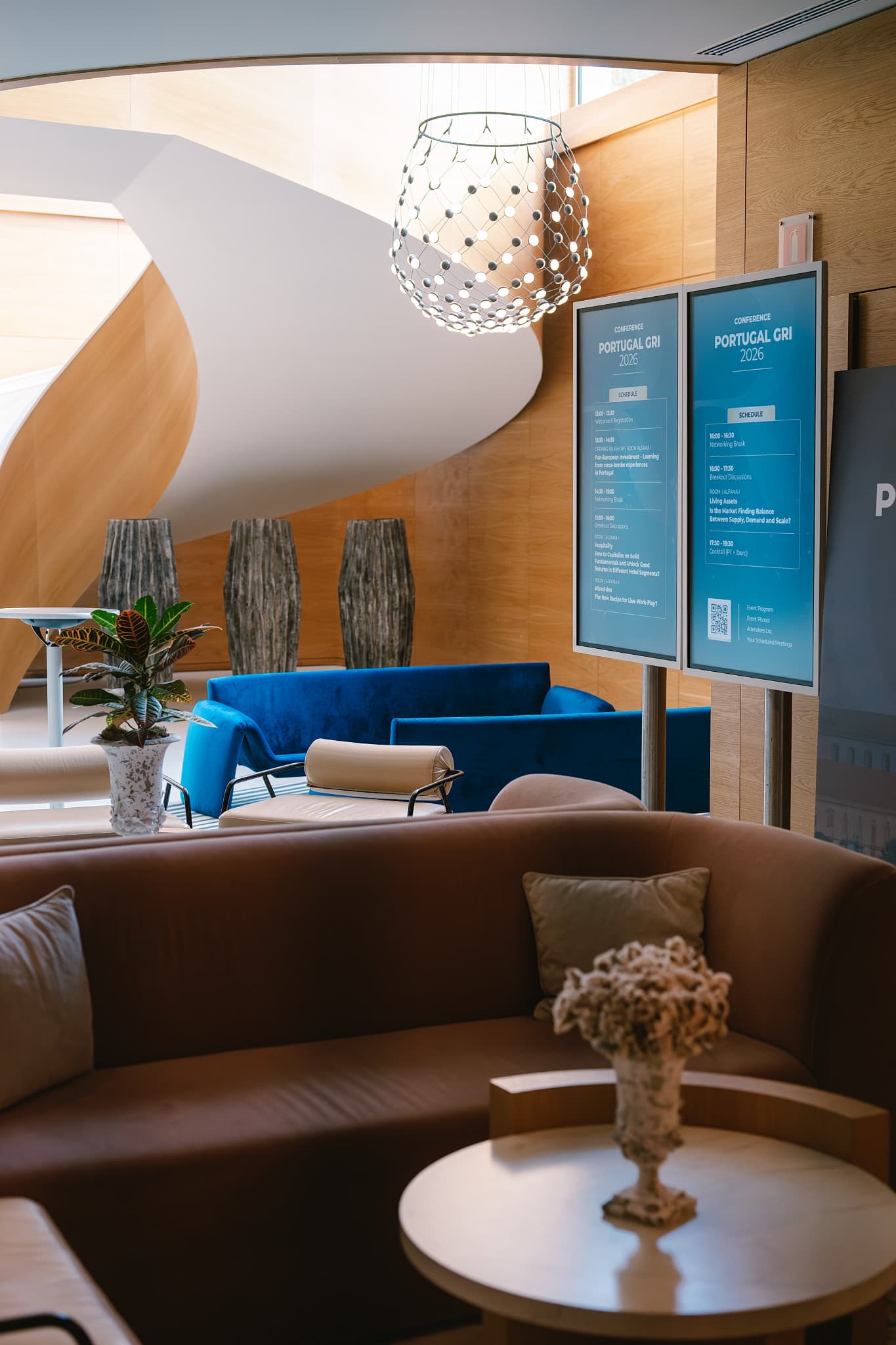
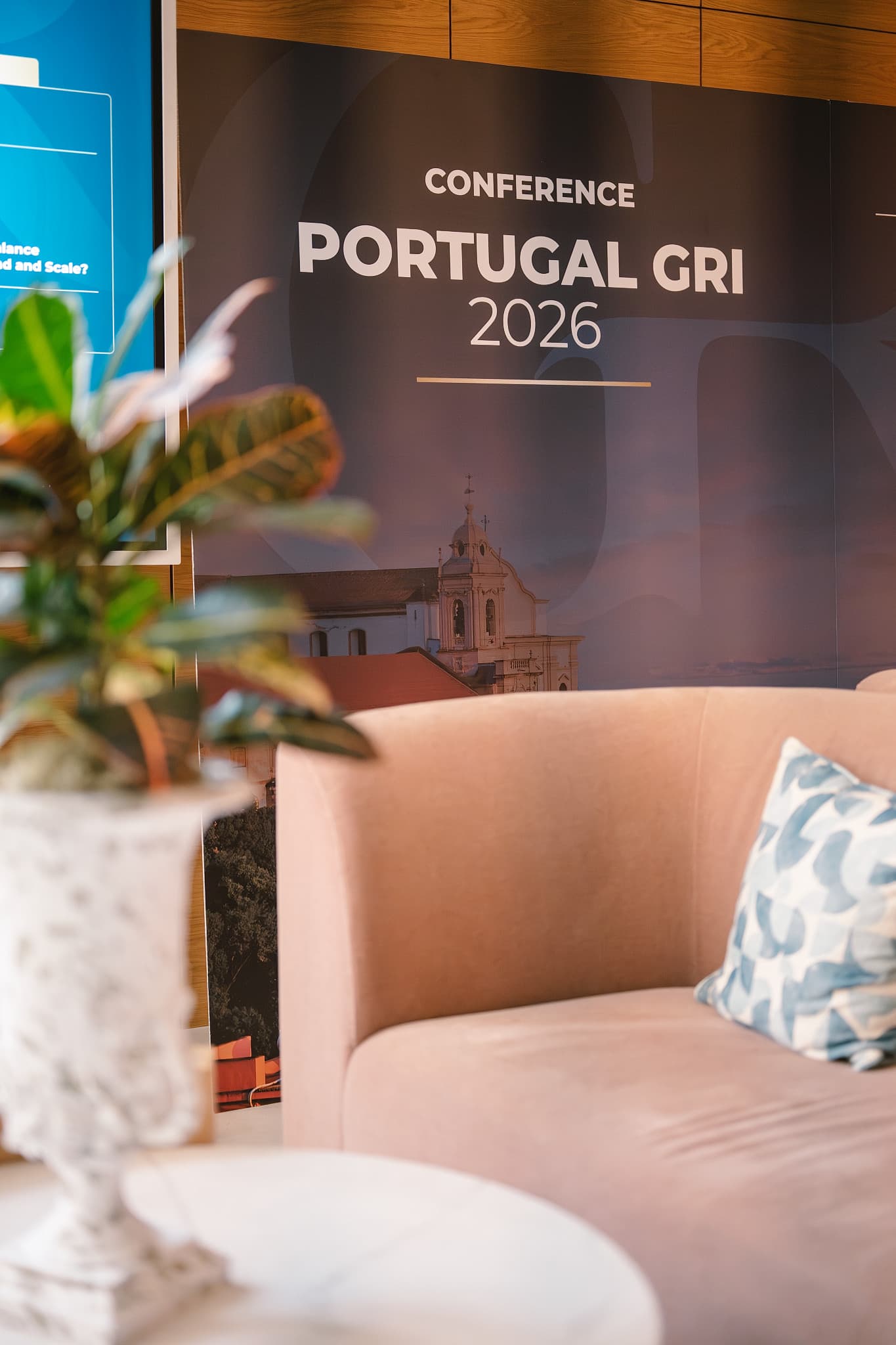
My assignment covered approximately 16 hours of conferences, roundtable discussions, networking breaks and informal conversations. The purpose was not simply to photograph people speaking. I needed to create a complete visual account of the events, with a particular focus on professional communication and the relationships developing between participants.
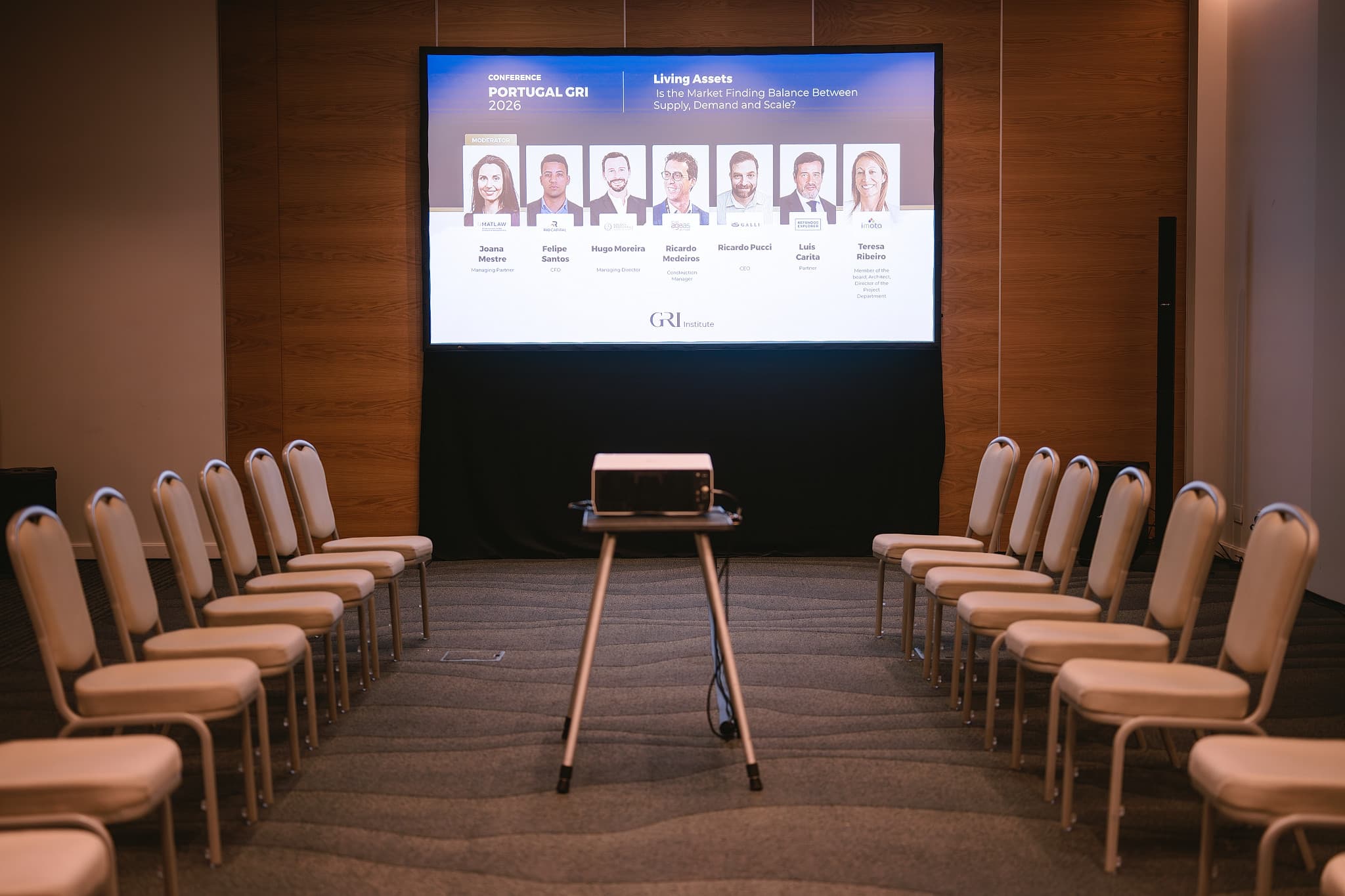
Two Days of Conference Photography in Lisbon
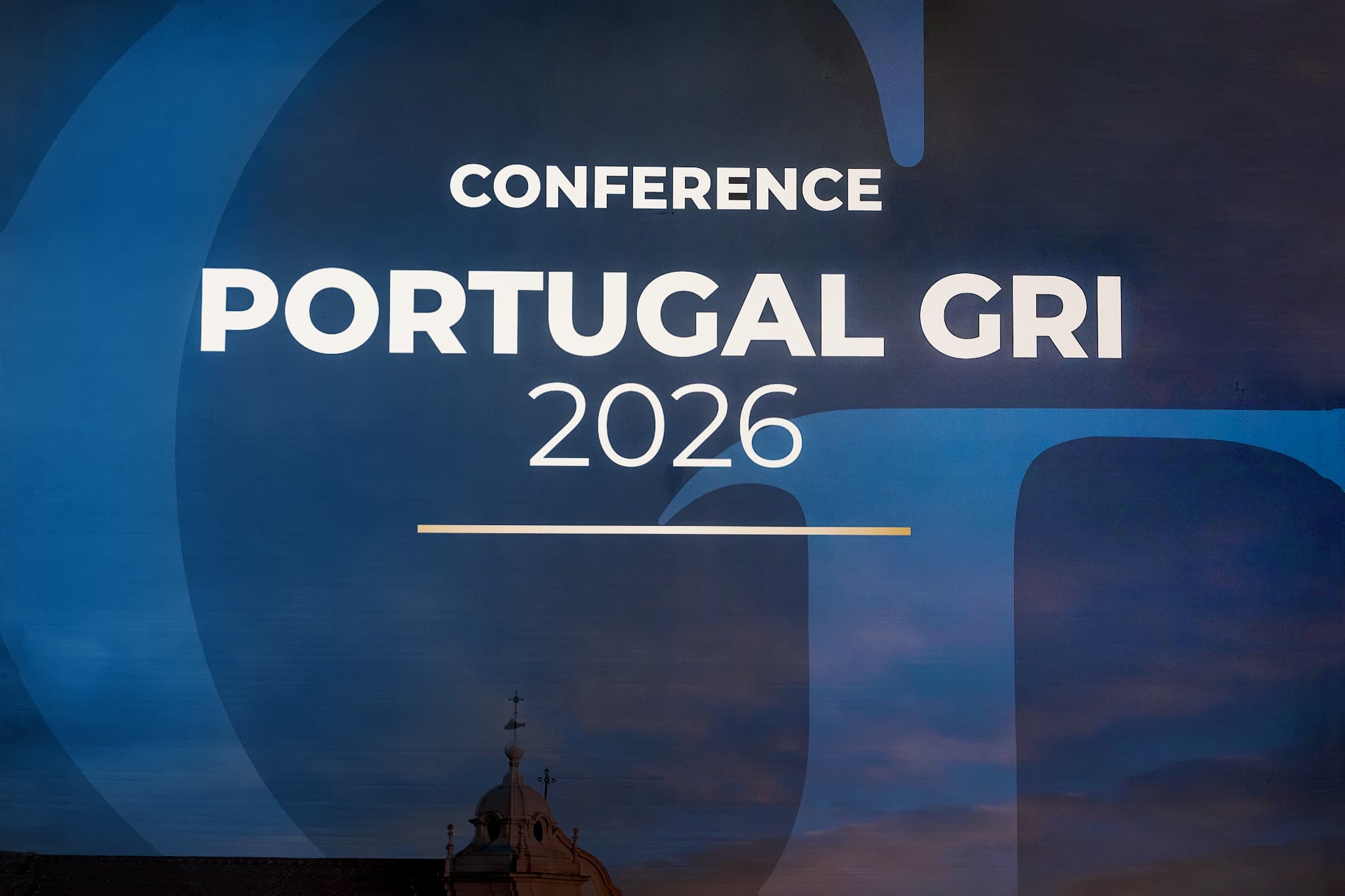
The first day began with Women Leading Portuguese Real Estate 2026, followed by Portugal GRI 2026 and an evening networking cocktail. Ibero GRI 2026 continued the programme on the second day.
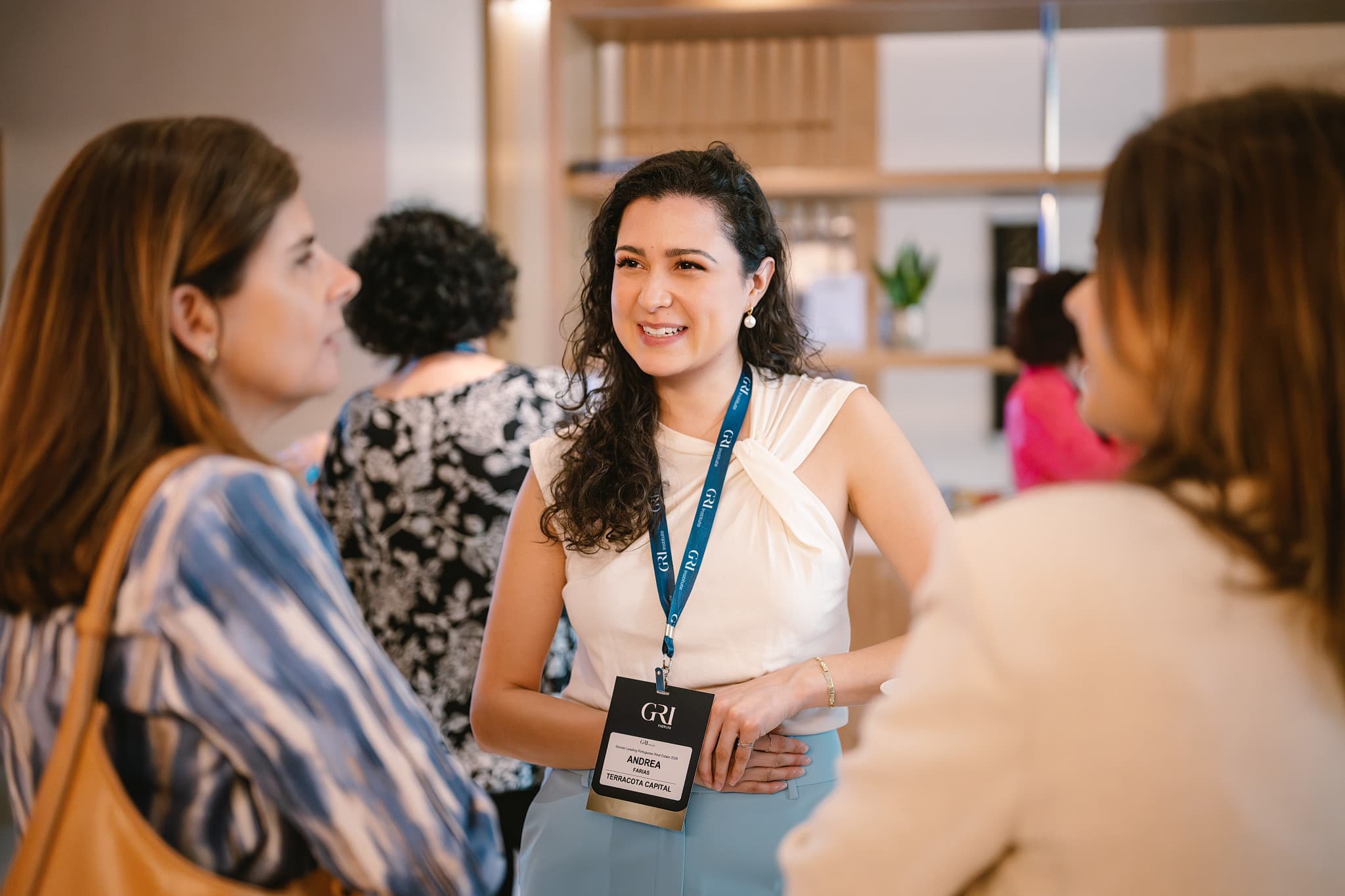
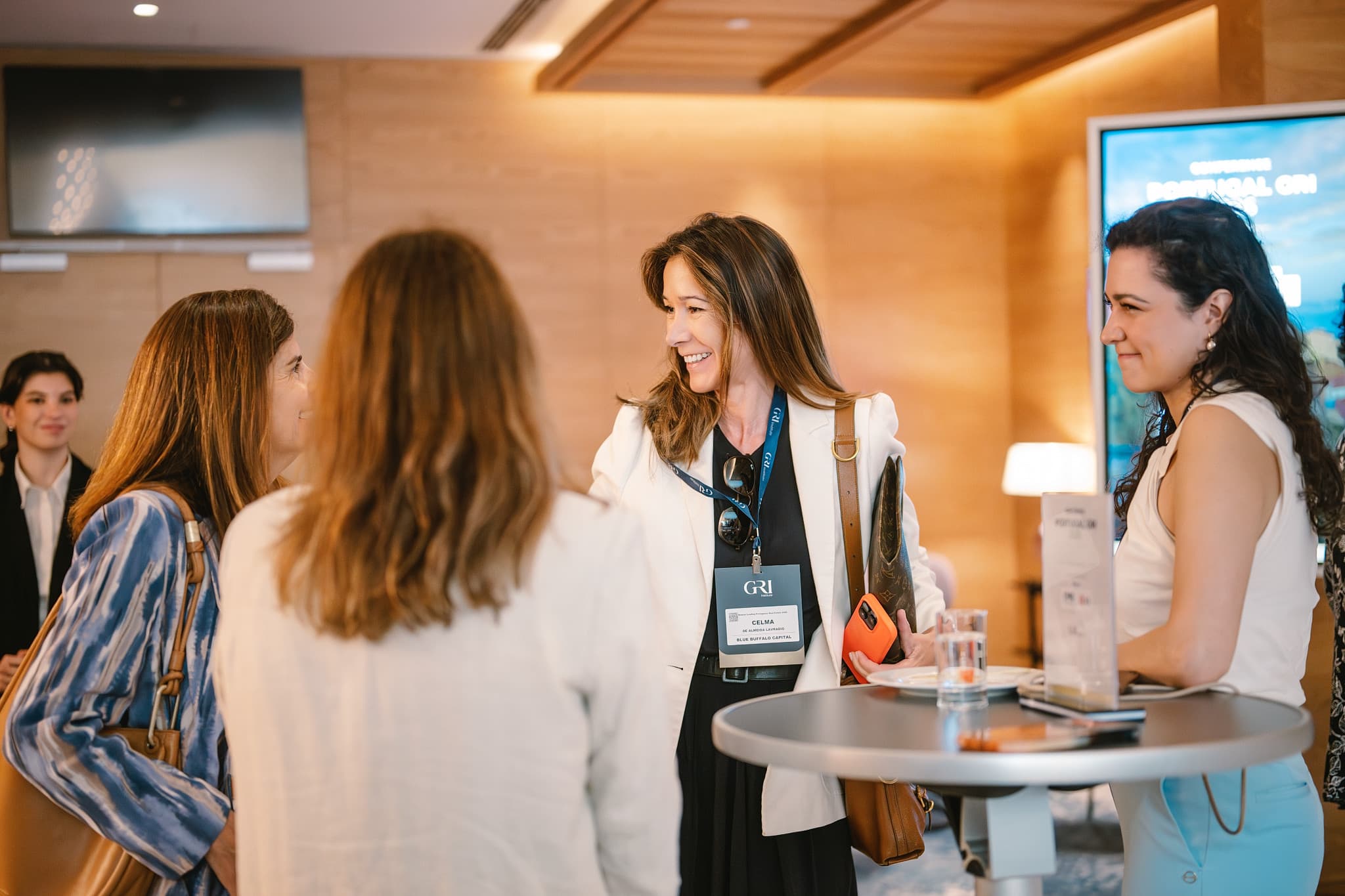
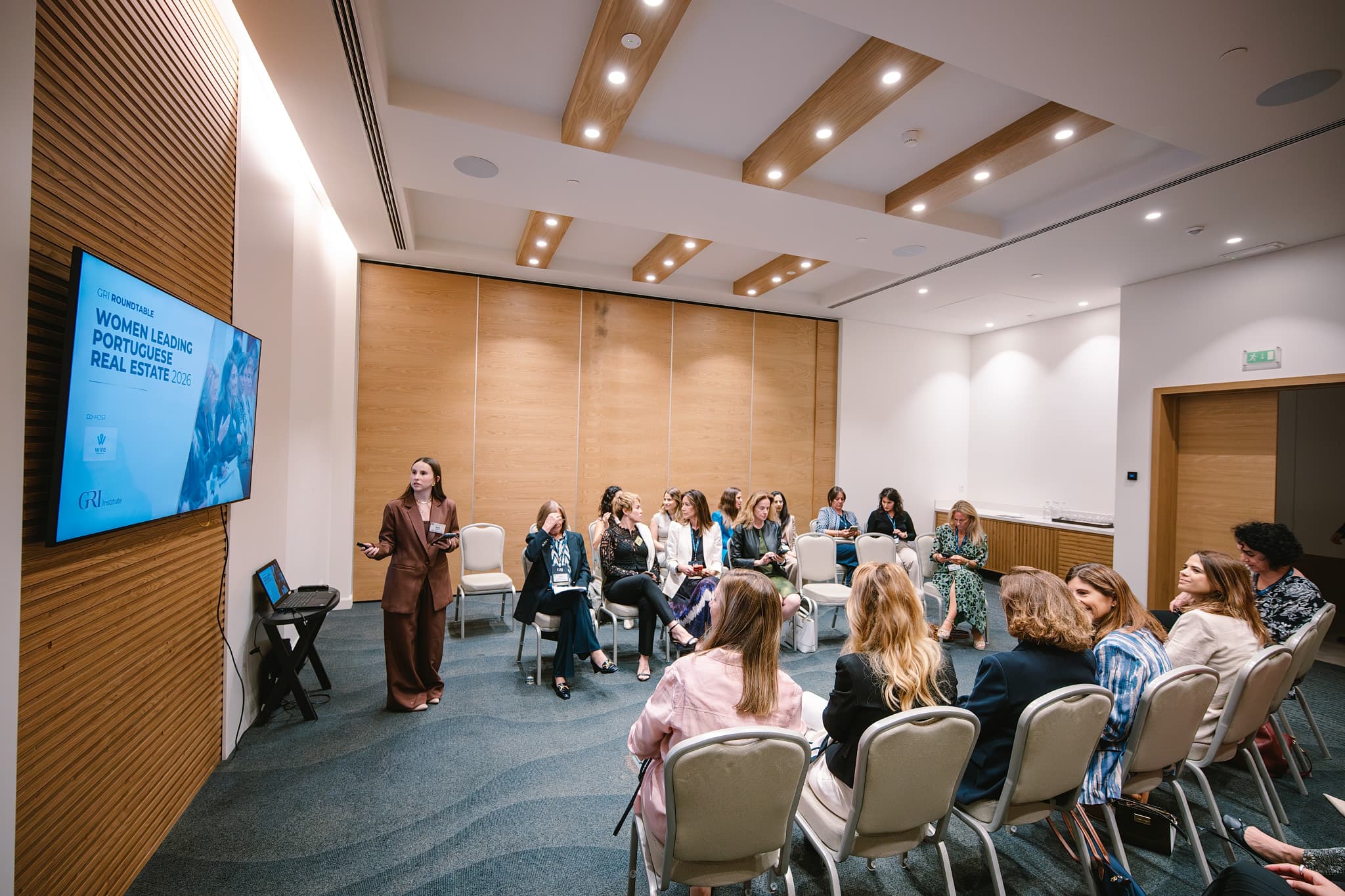
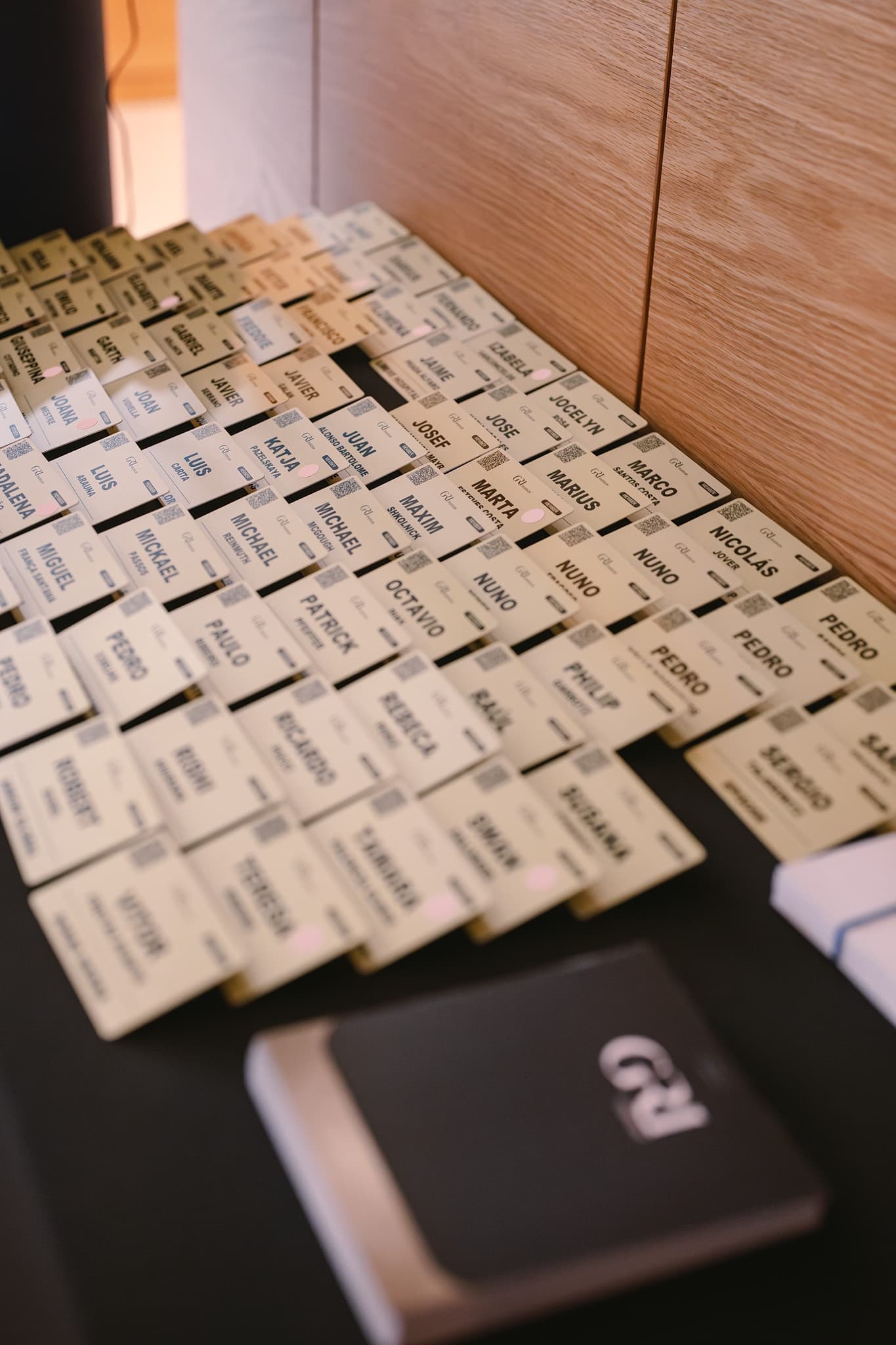
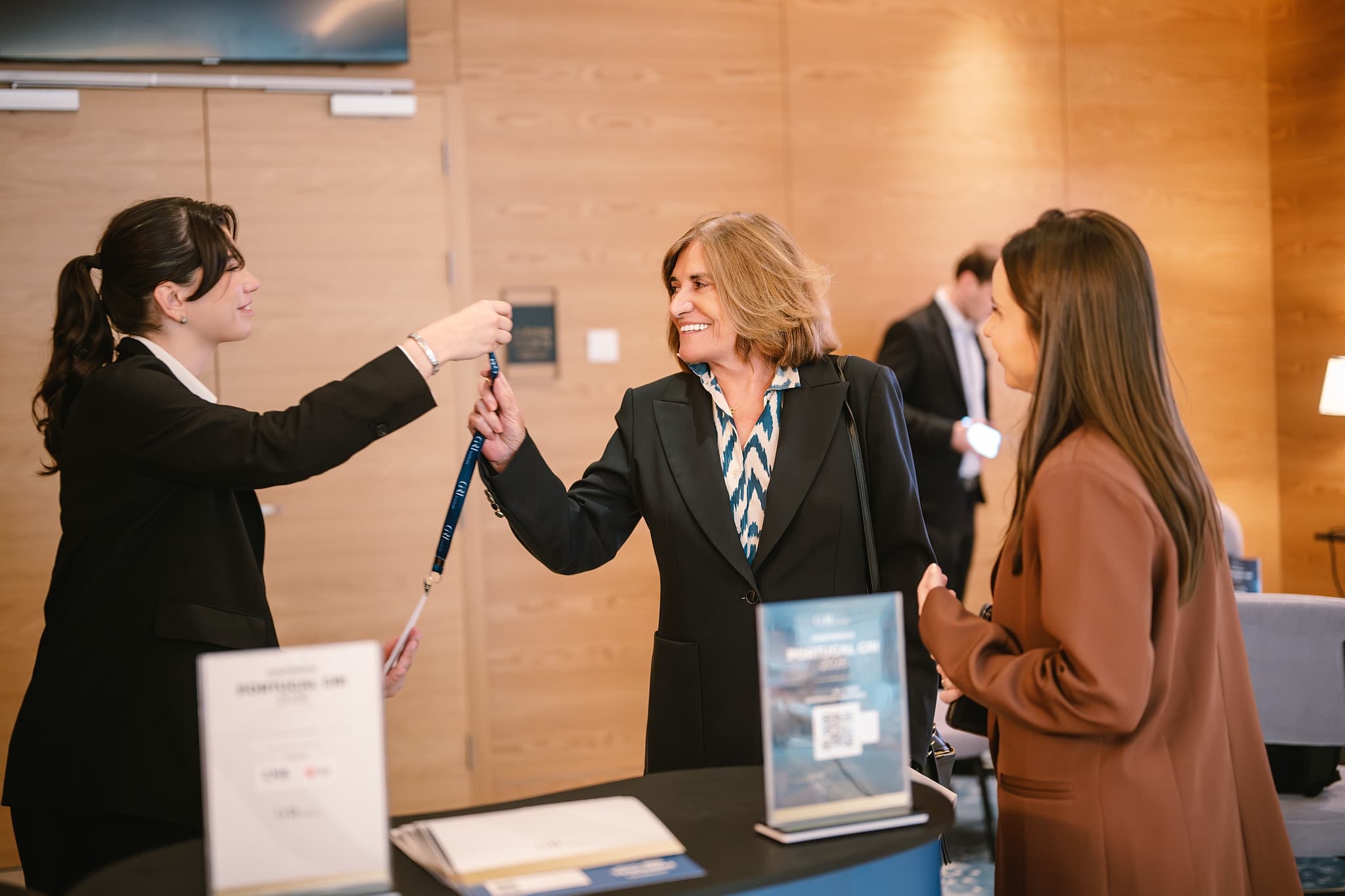
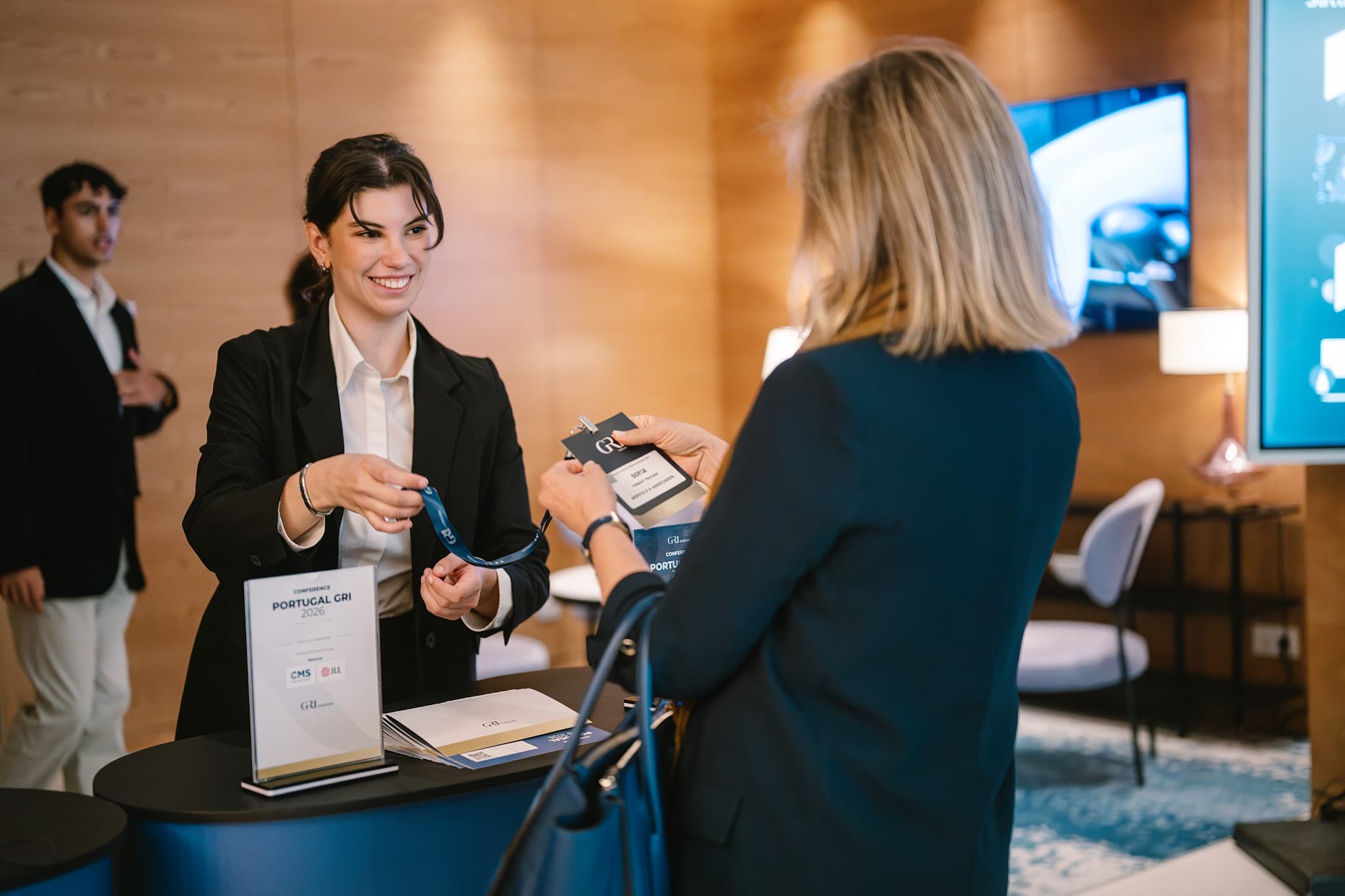
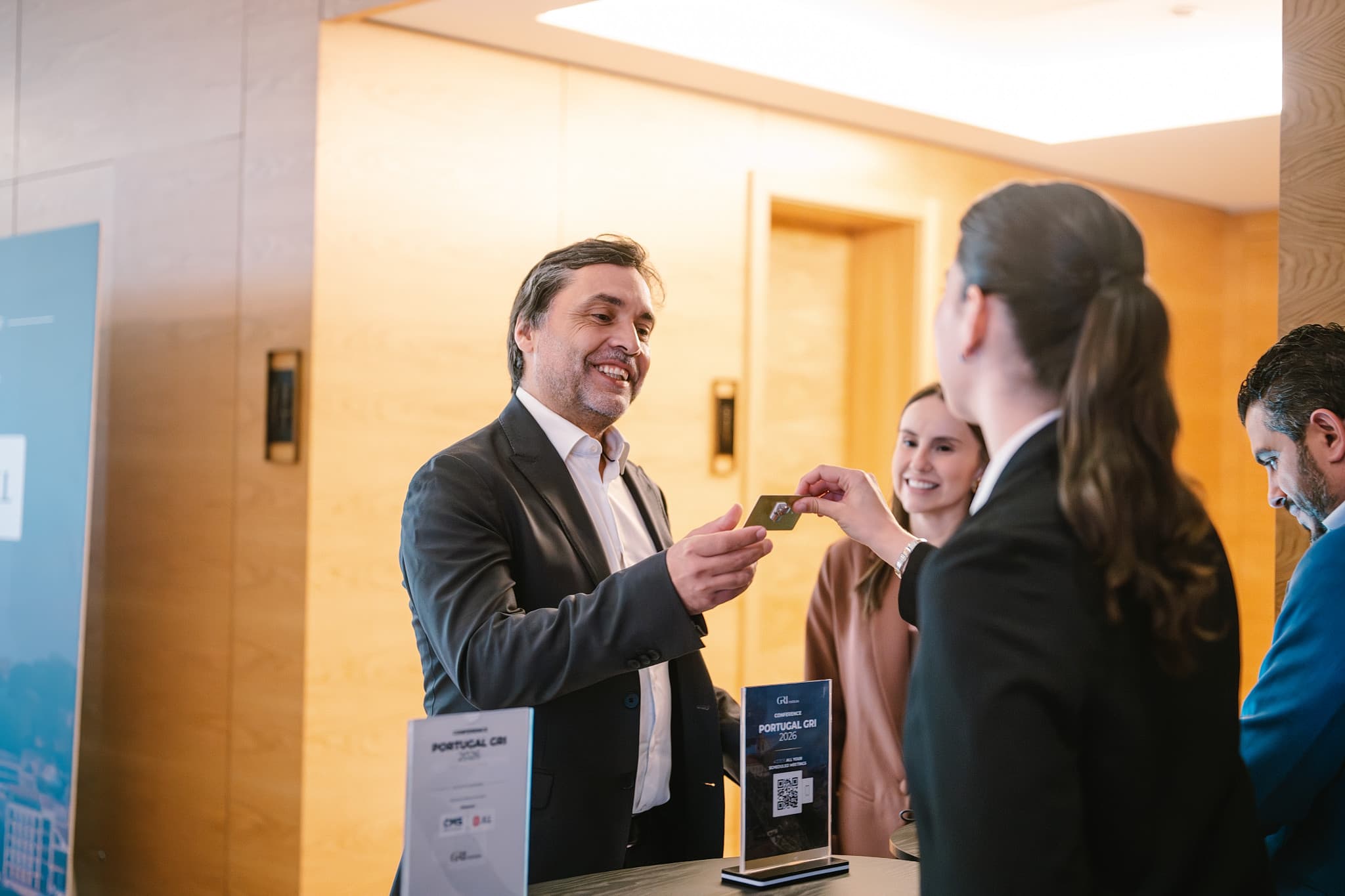
Each part of the schedule had a different pace. Registration required photographs of arriving guests, greetings and the first conversations of the day. During the formal programme, I covered speakers, presentations, roundtable discussions, questions from participants and reactions around the room. Breaks and the evening cocktail shifted the emphasis towards introductions, private conversations and networking.
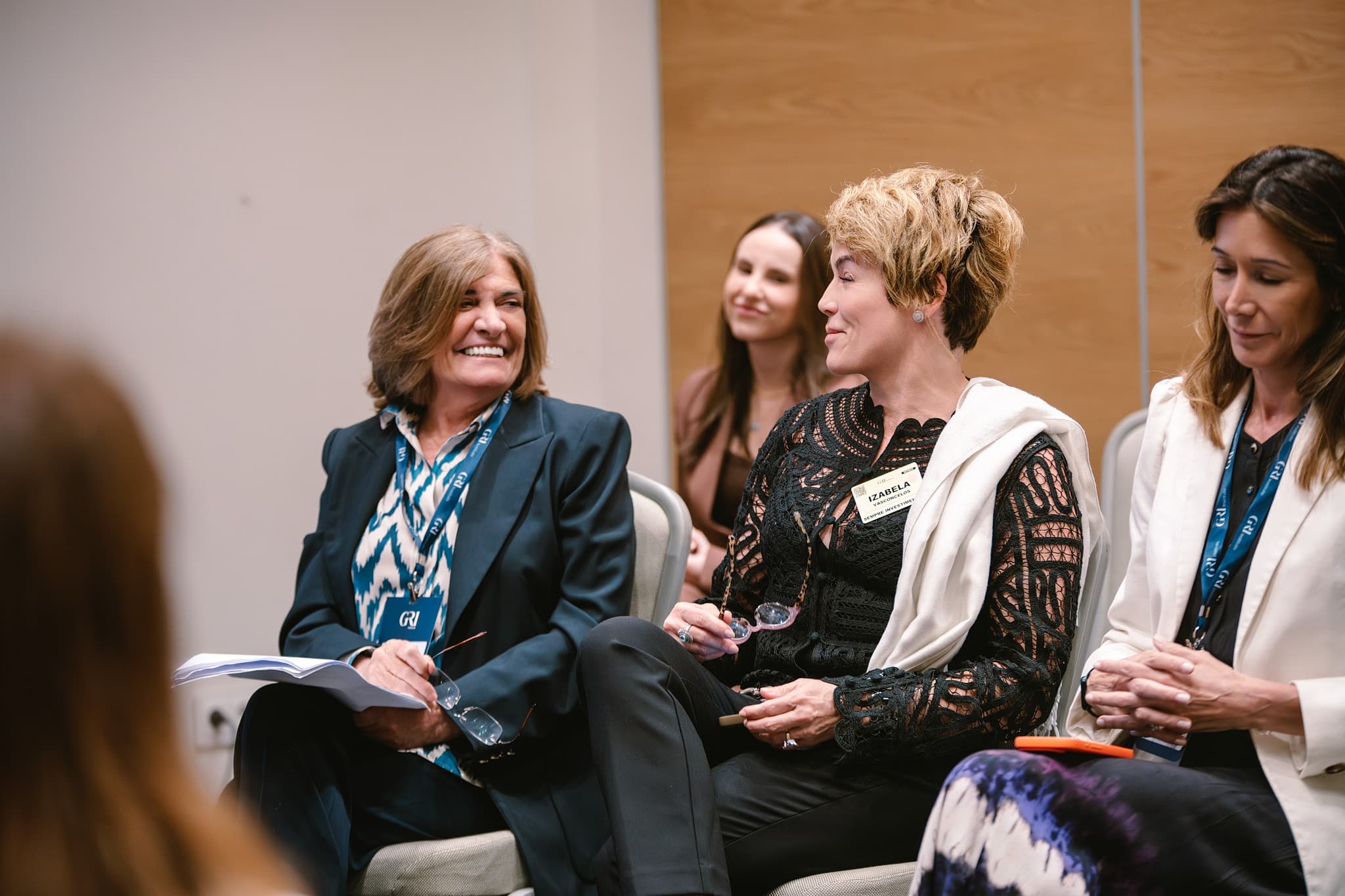
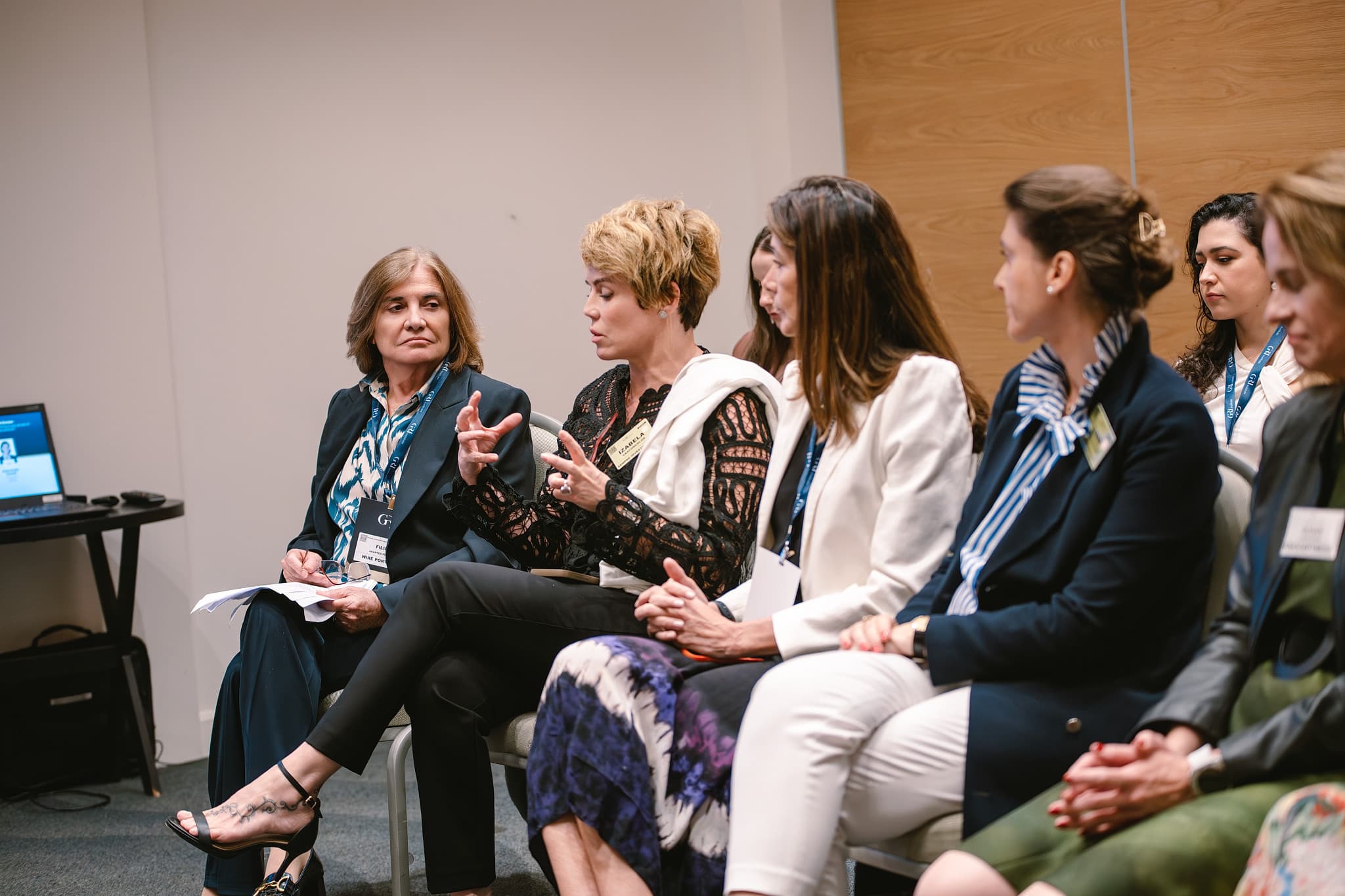
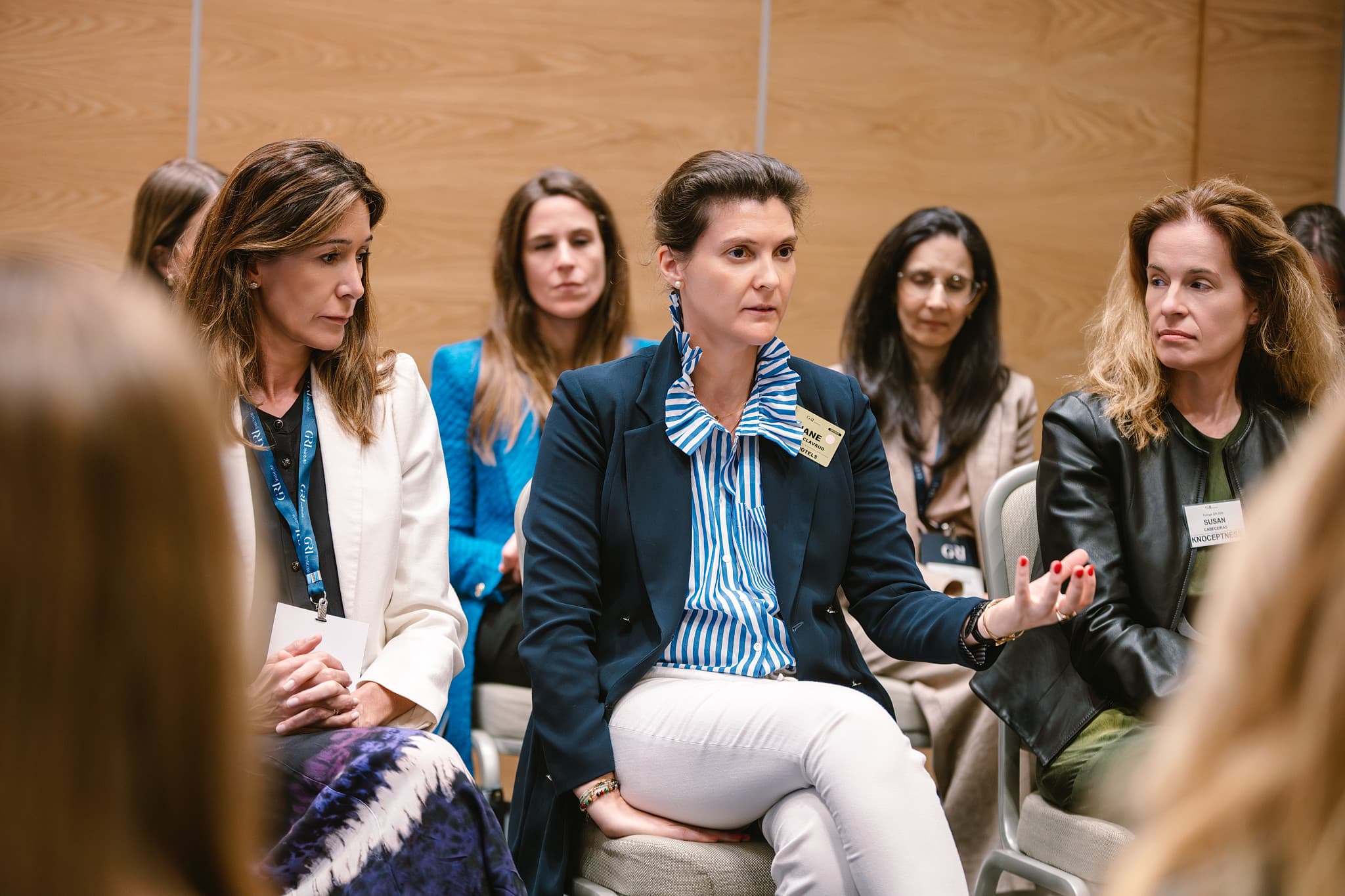
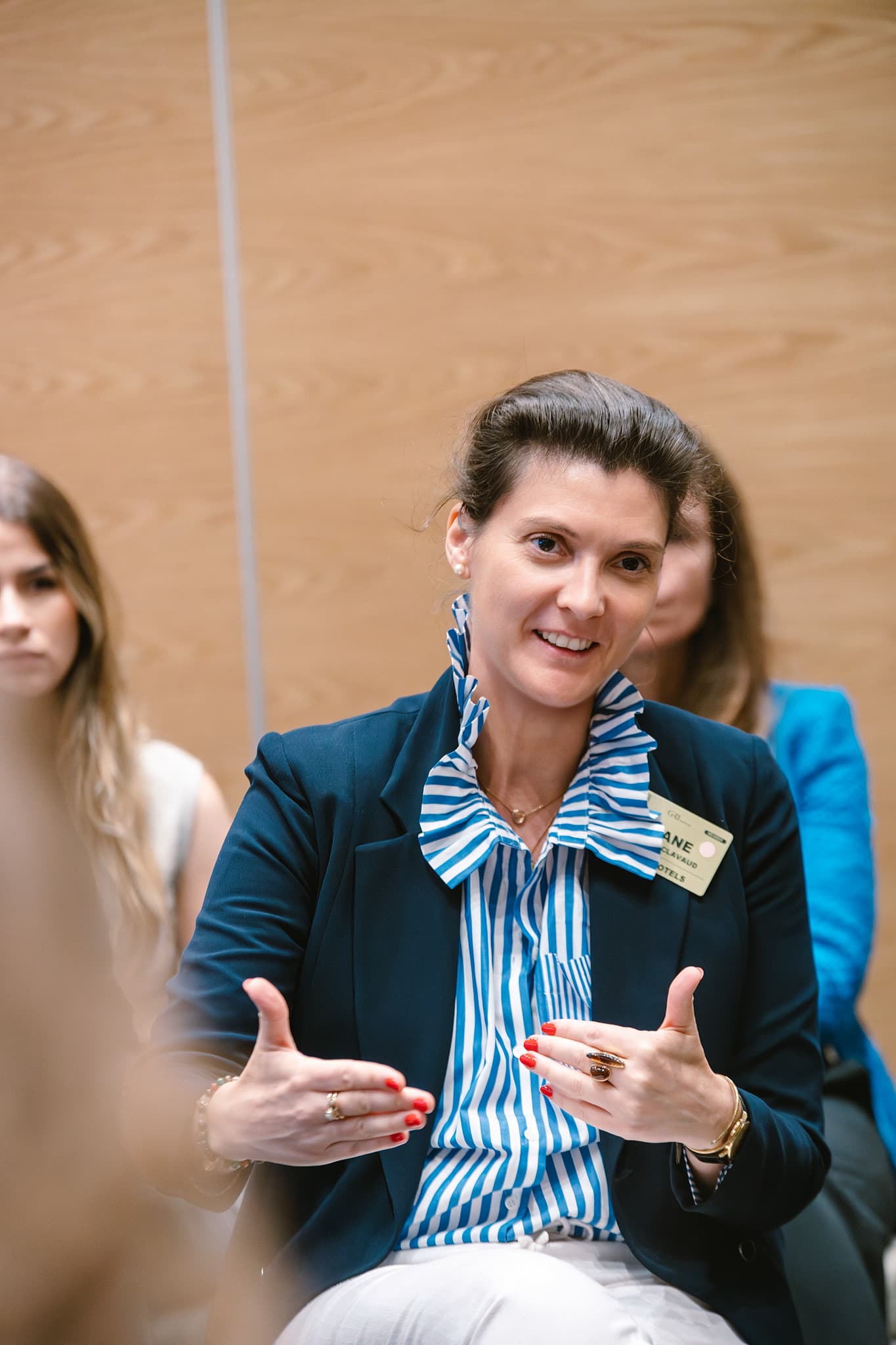
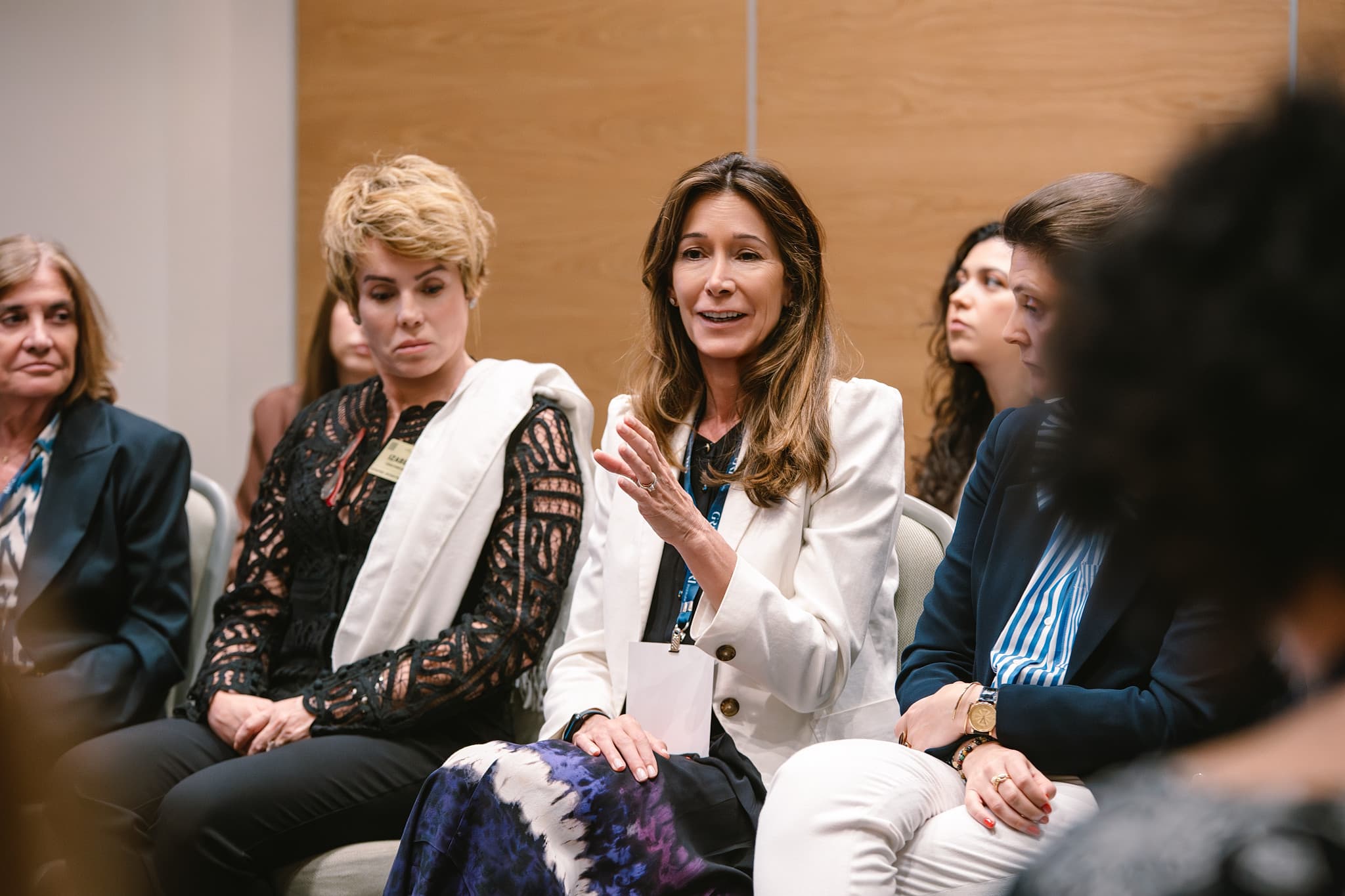
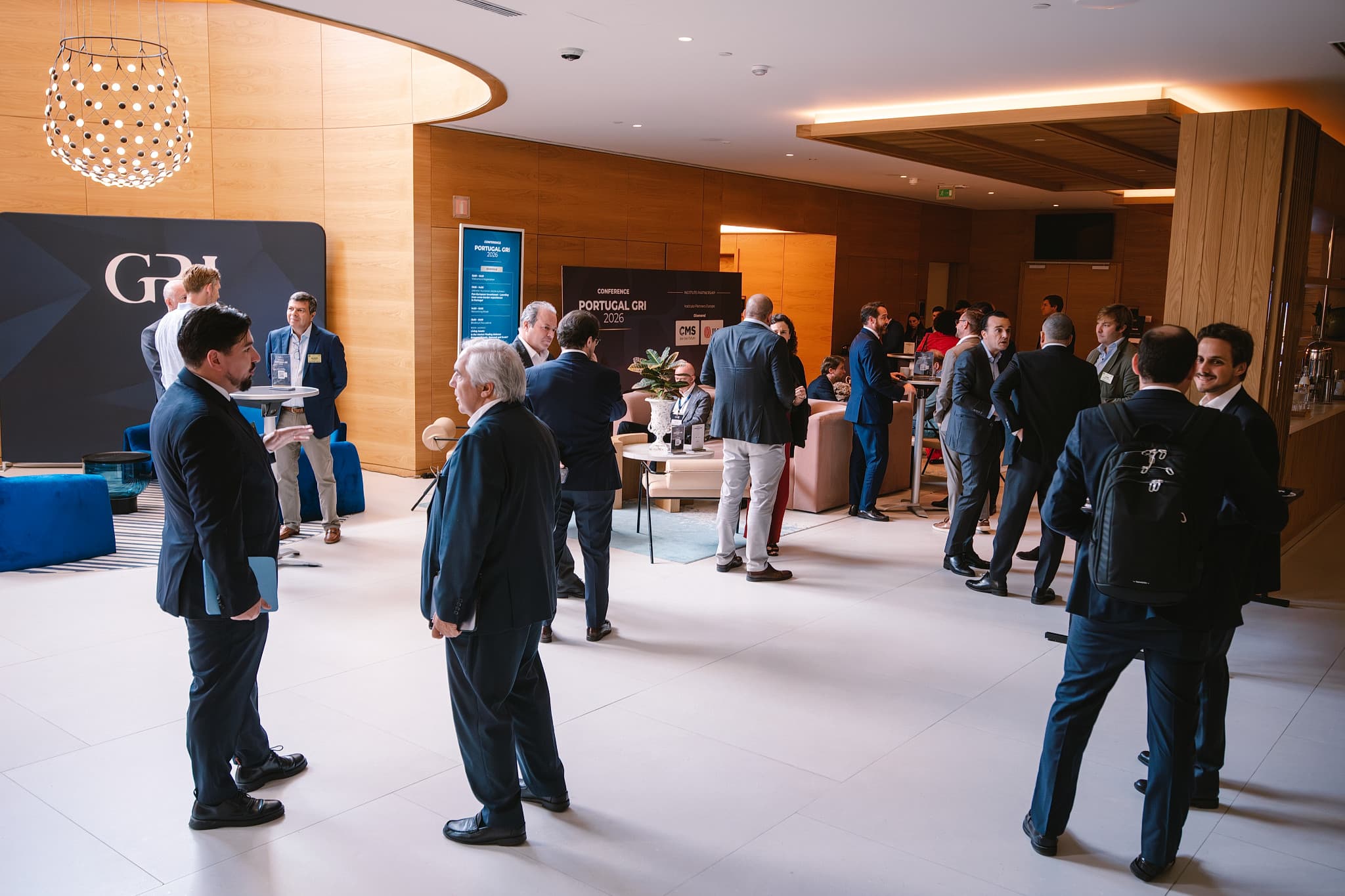
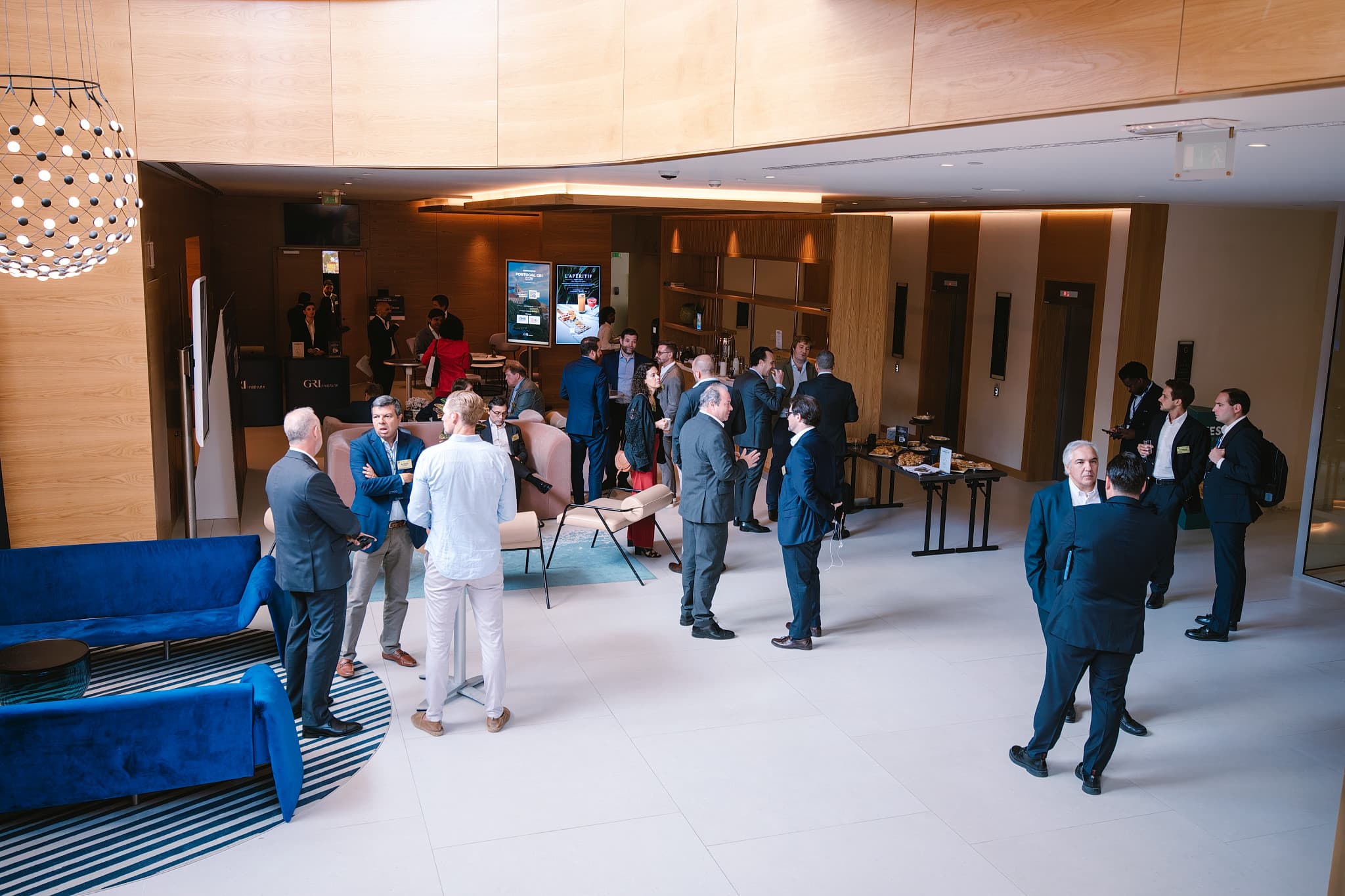
This variety is important in corporate conference photography. A useful event gallery needs more than a series of similar photographs from the front of the room. It should show where the event took place, who participated, how the programme developed and what the atmosphere felt like throughout the day.
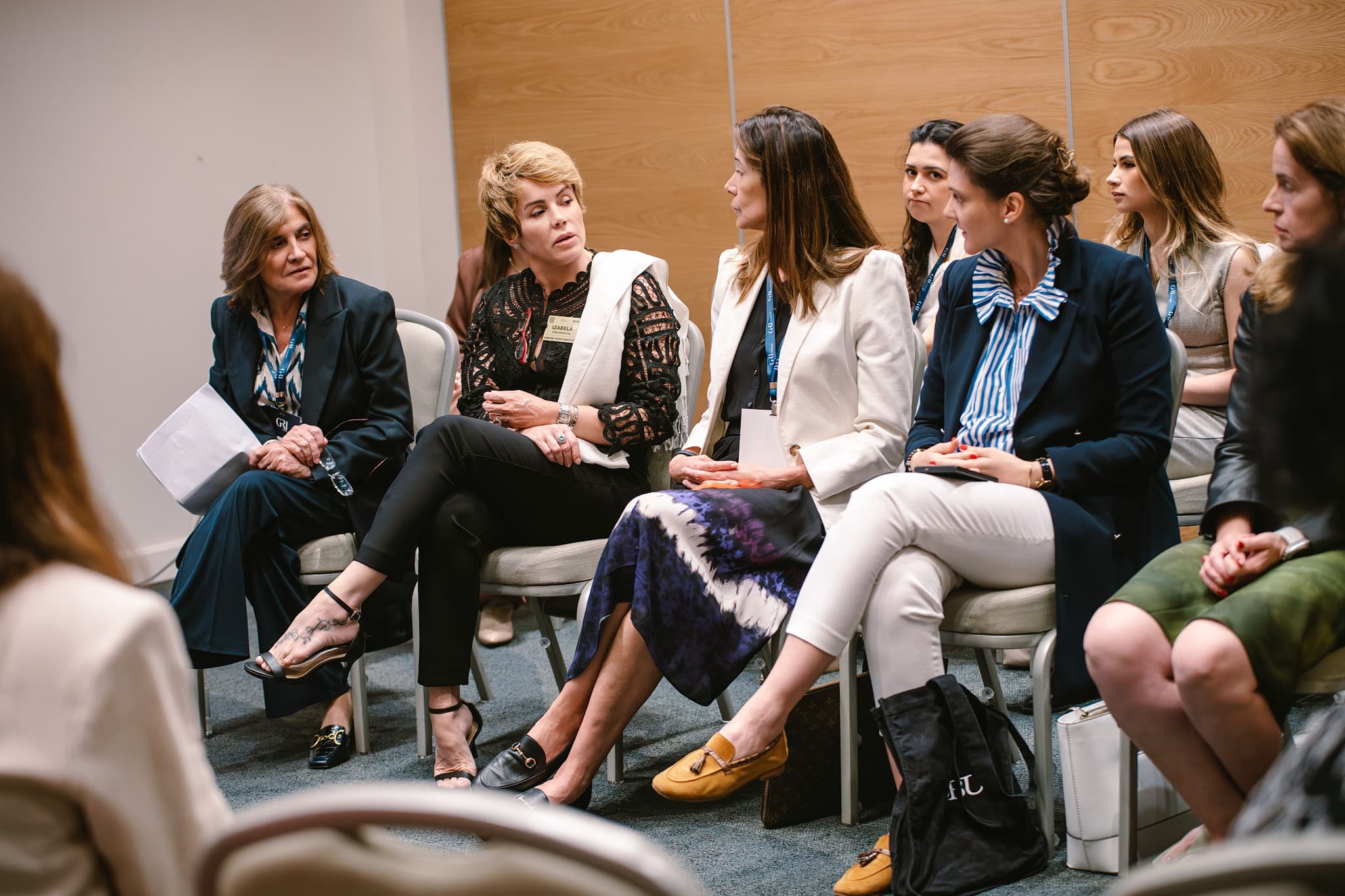
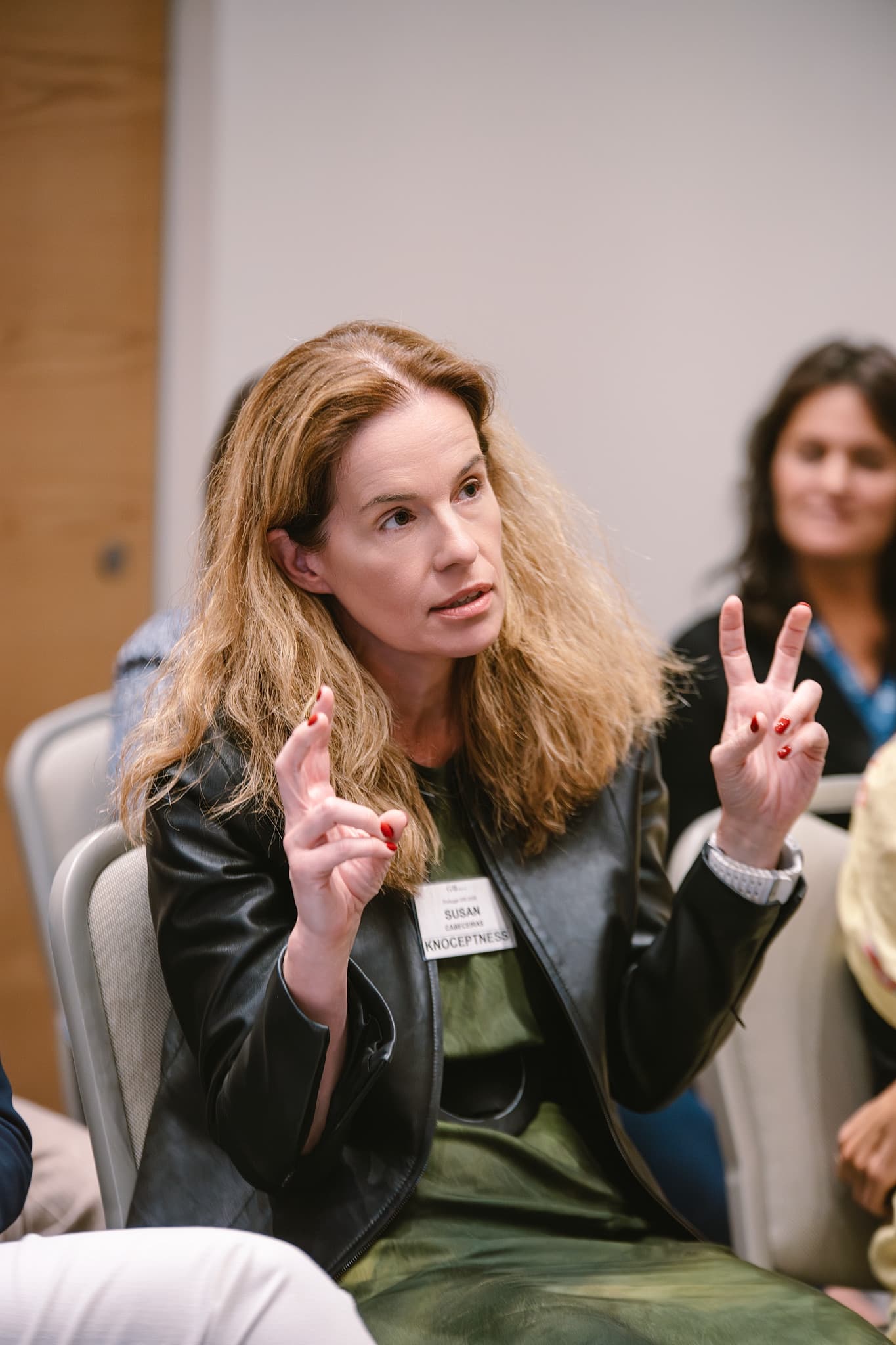
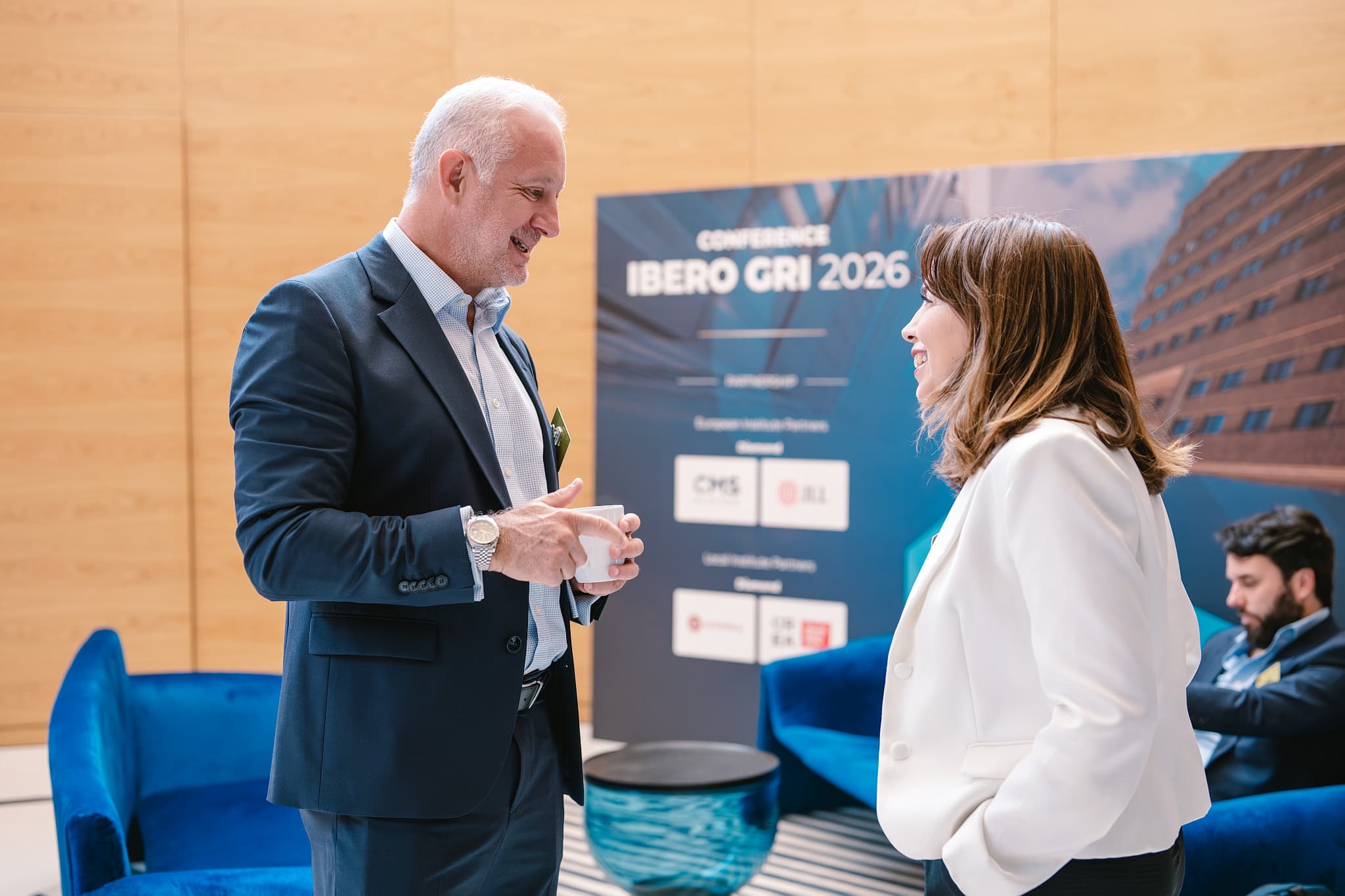
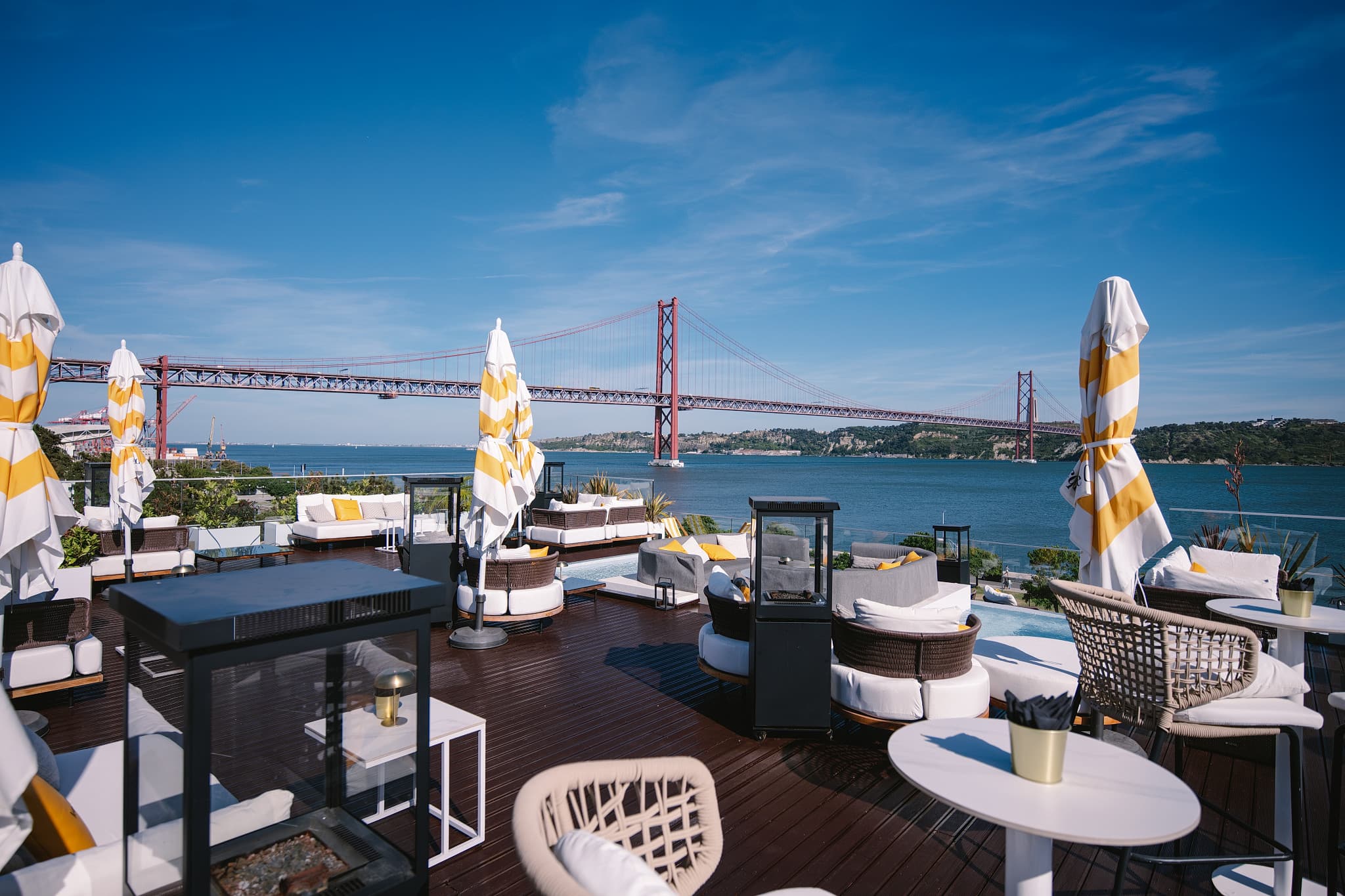
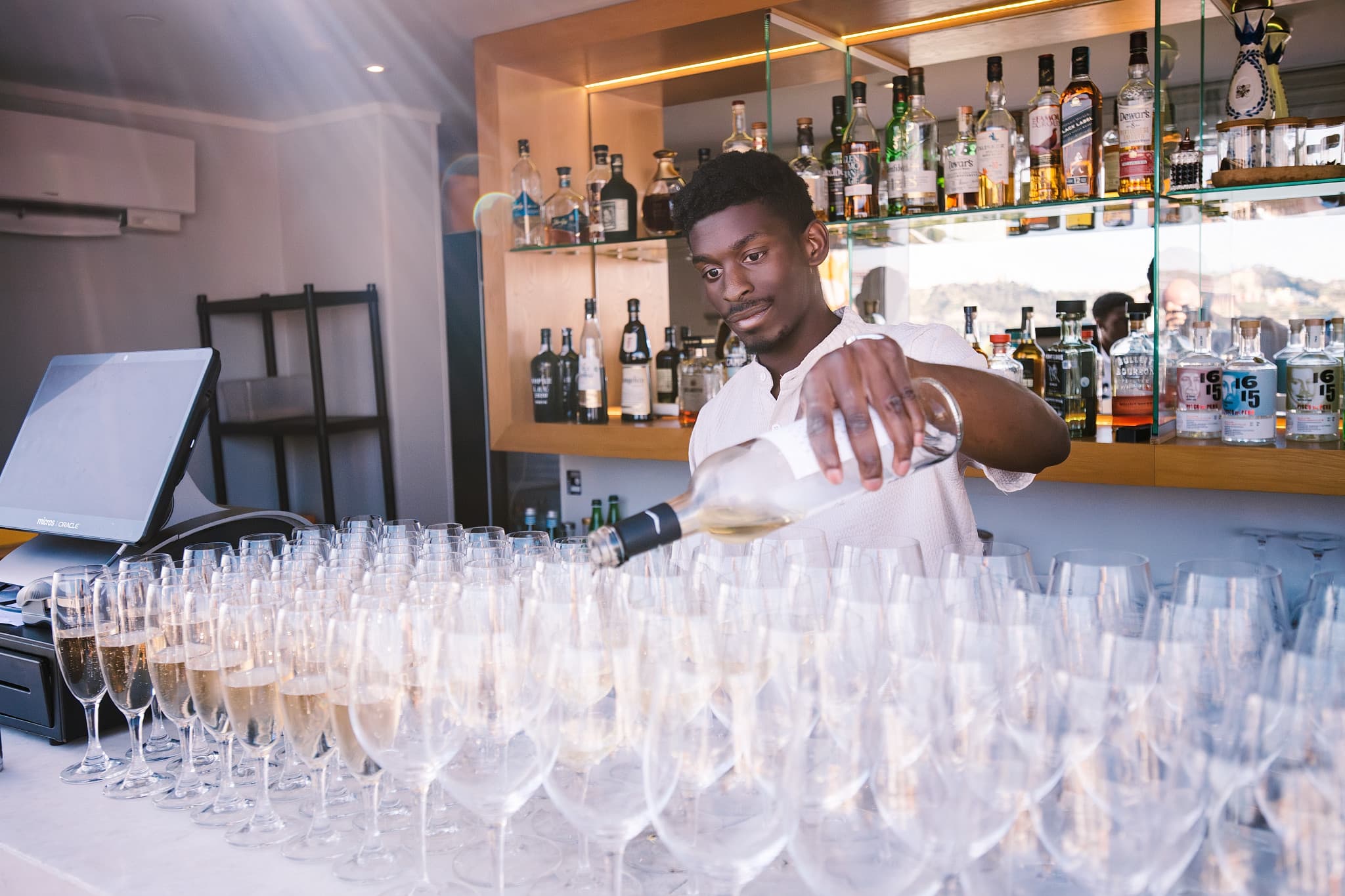
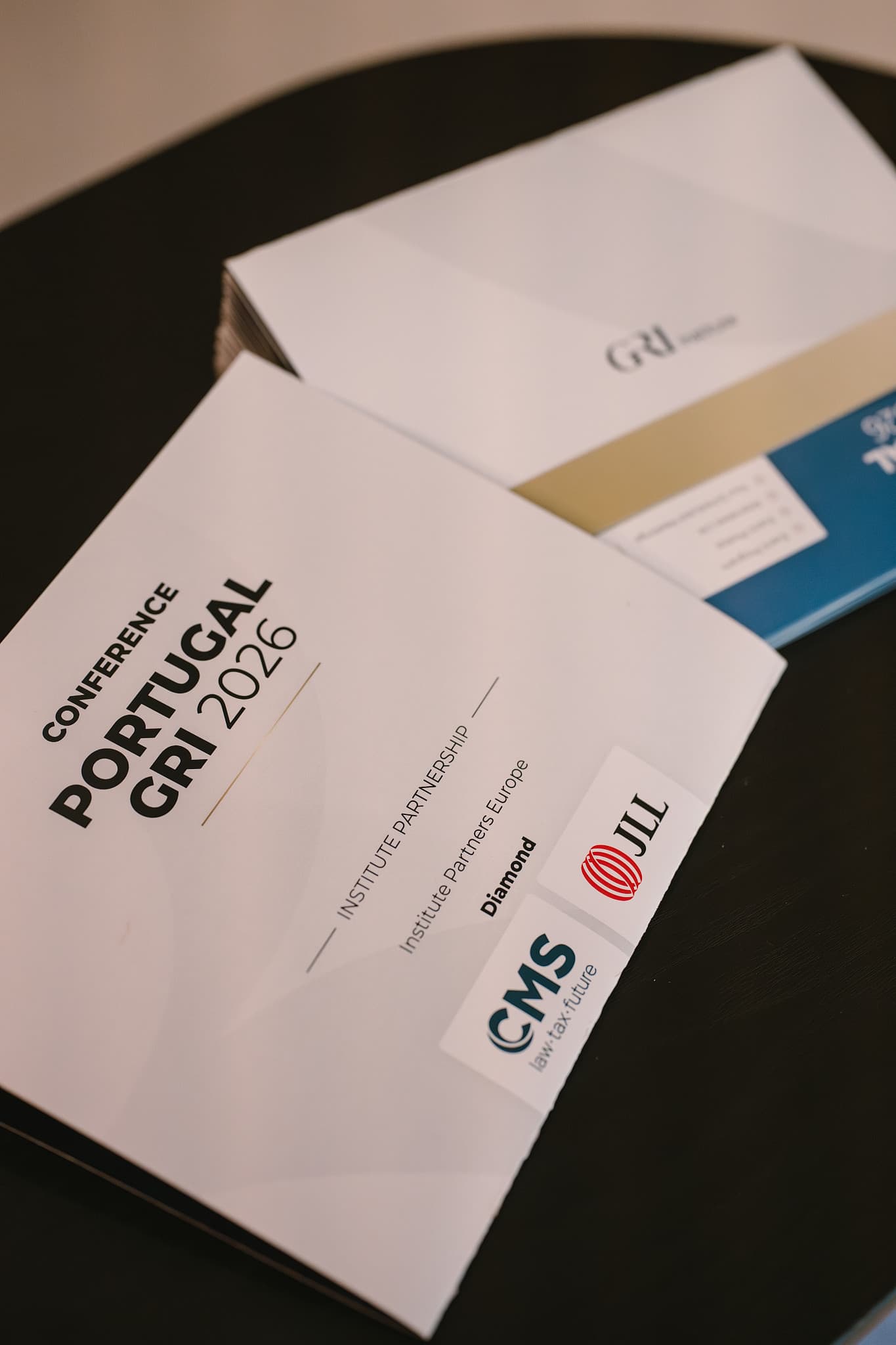
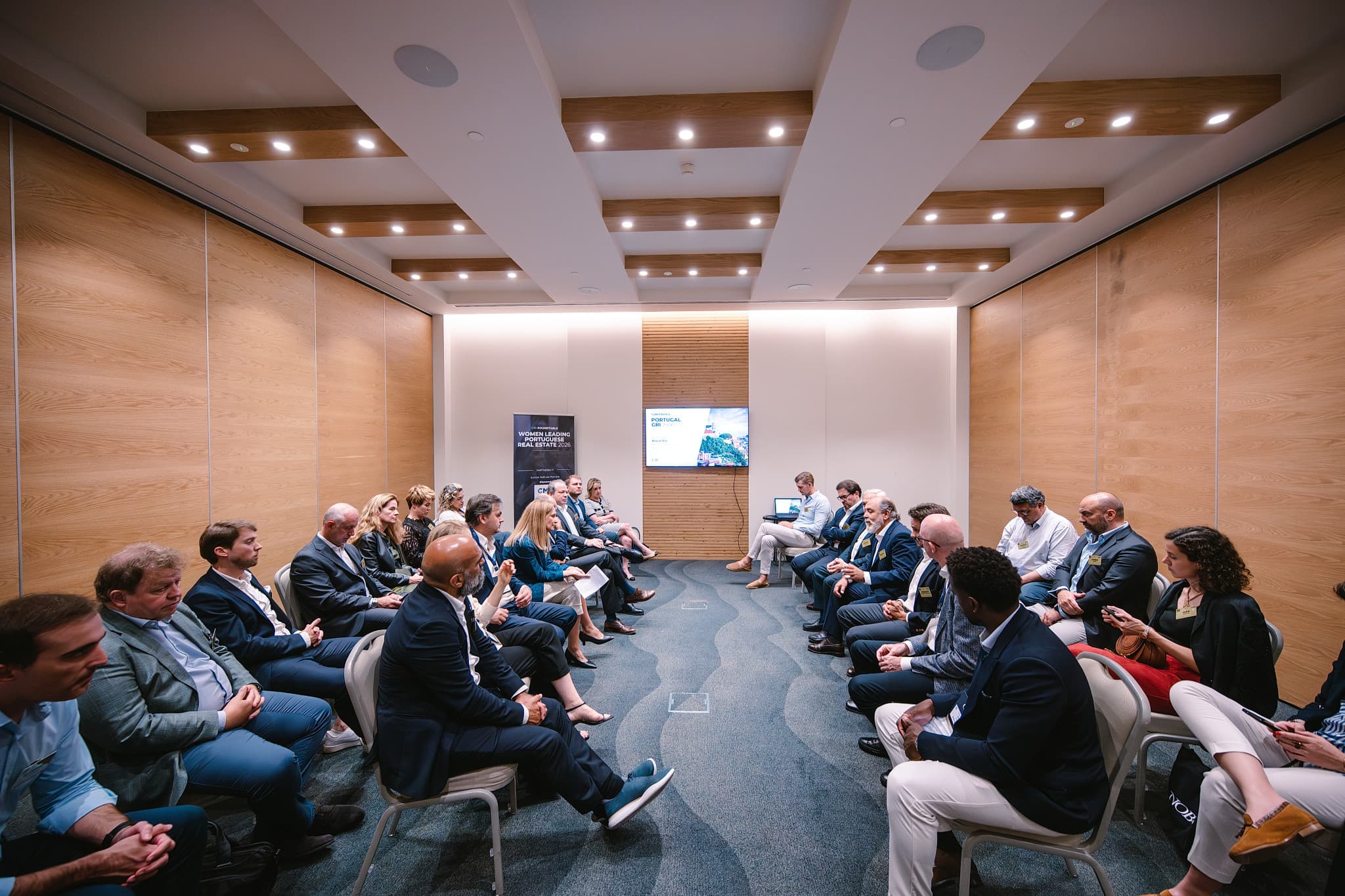
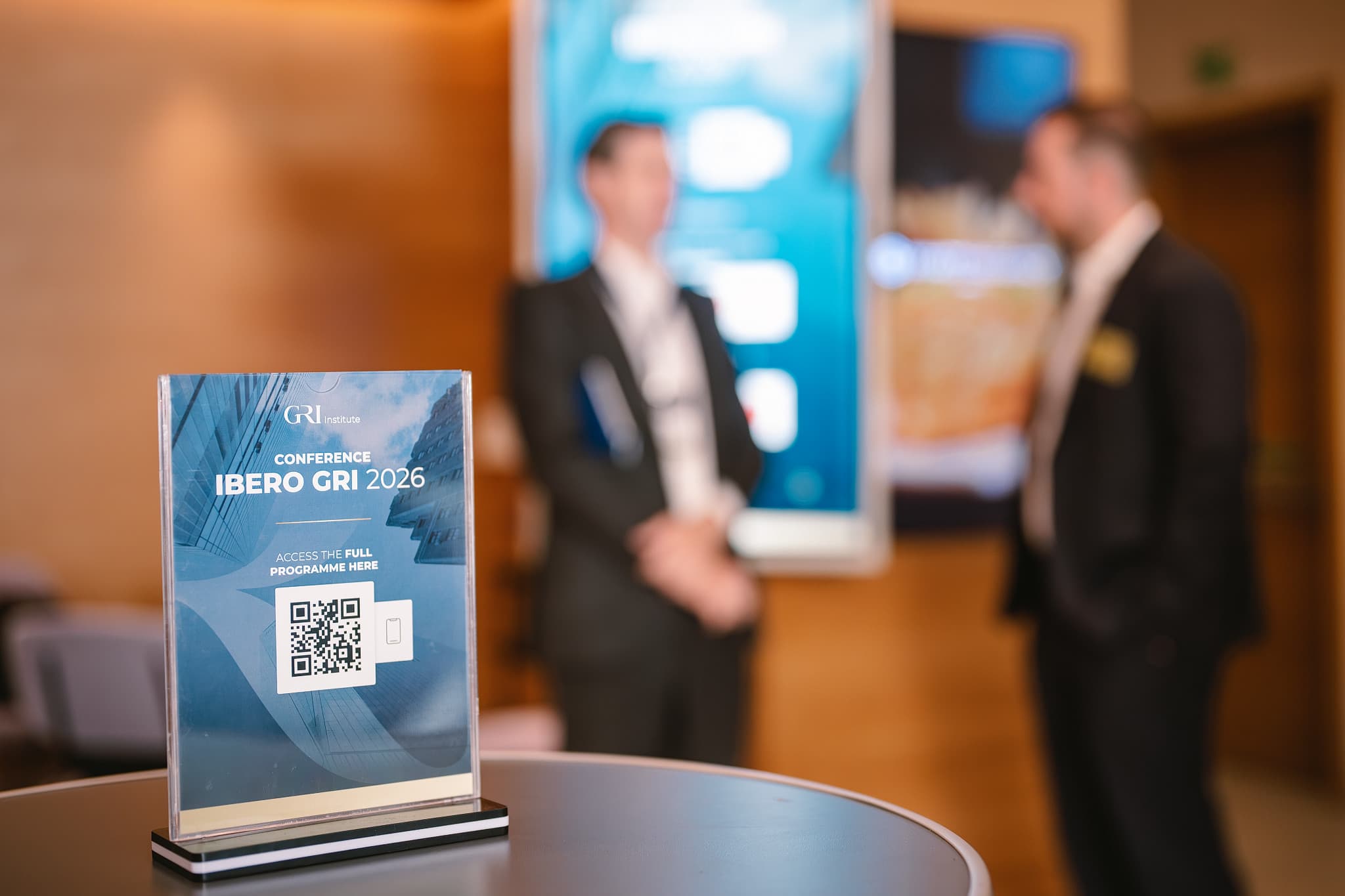
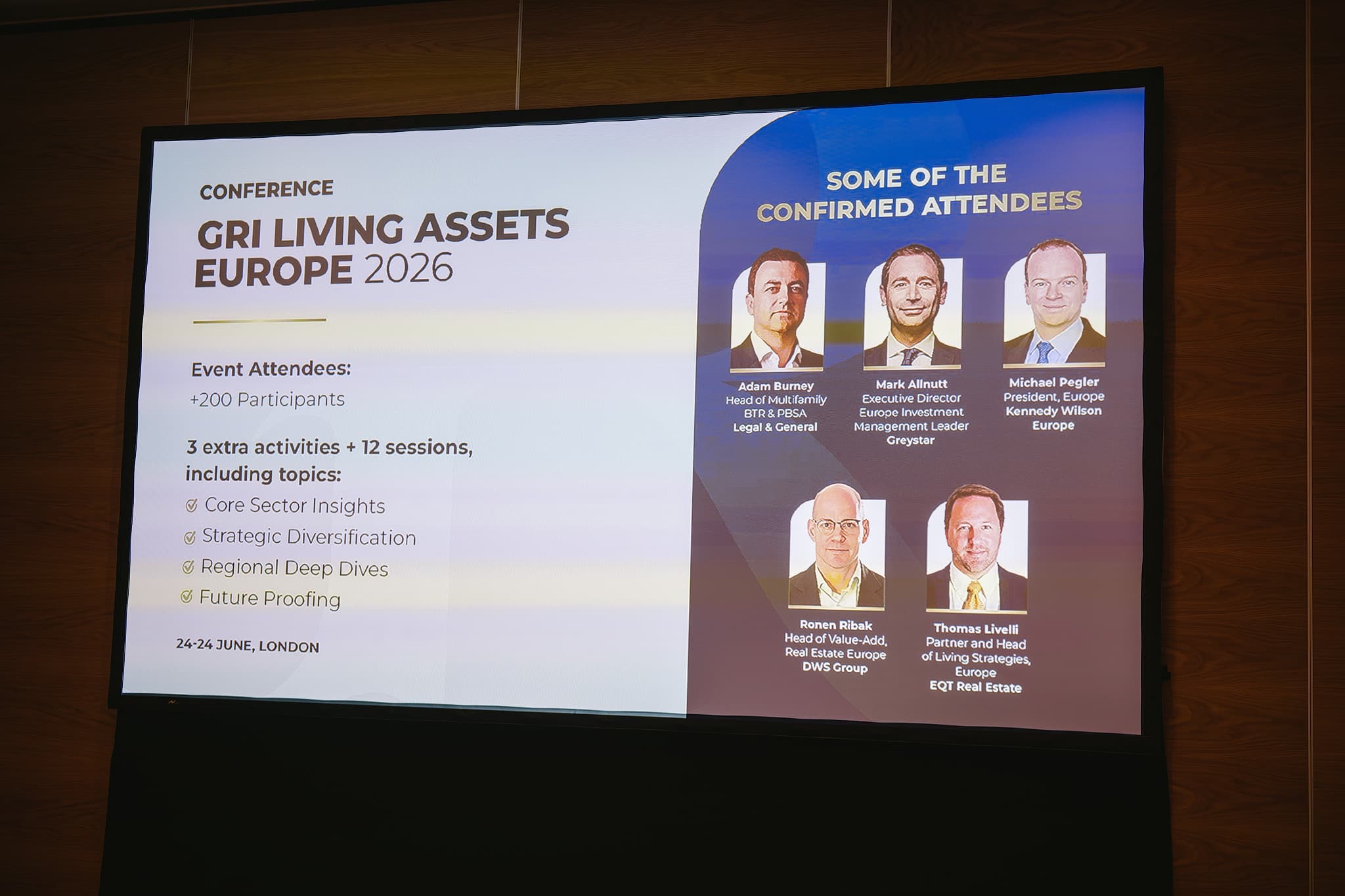
I therefore photographed wide views of the conference spaces, individual speakers, audience reactions, small discussion groups, branded details and interactions during the breaks. Group photographs and a limited number of directed portraits were included where appropriate, but most of the coverage remained documentary.
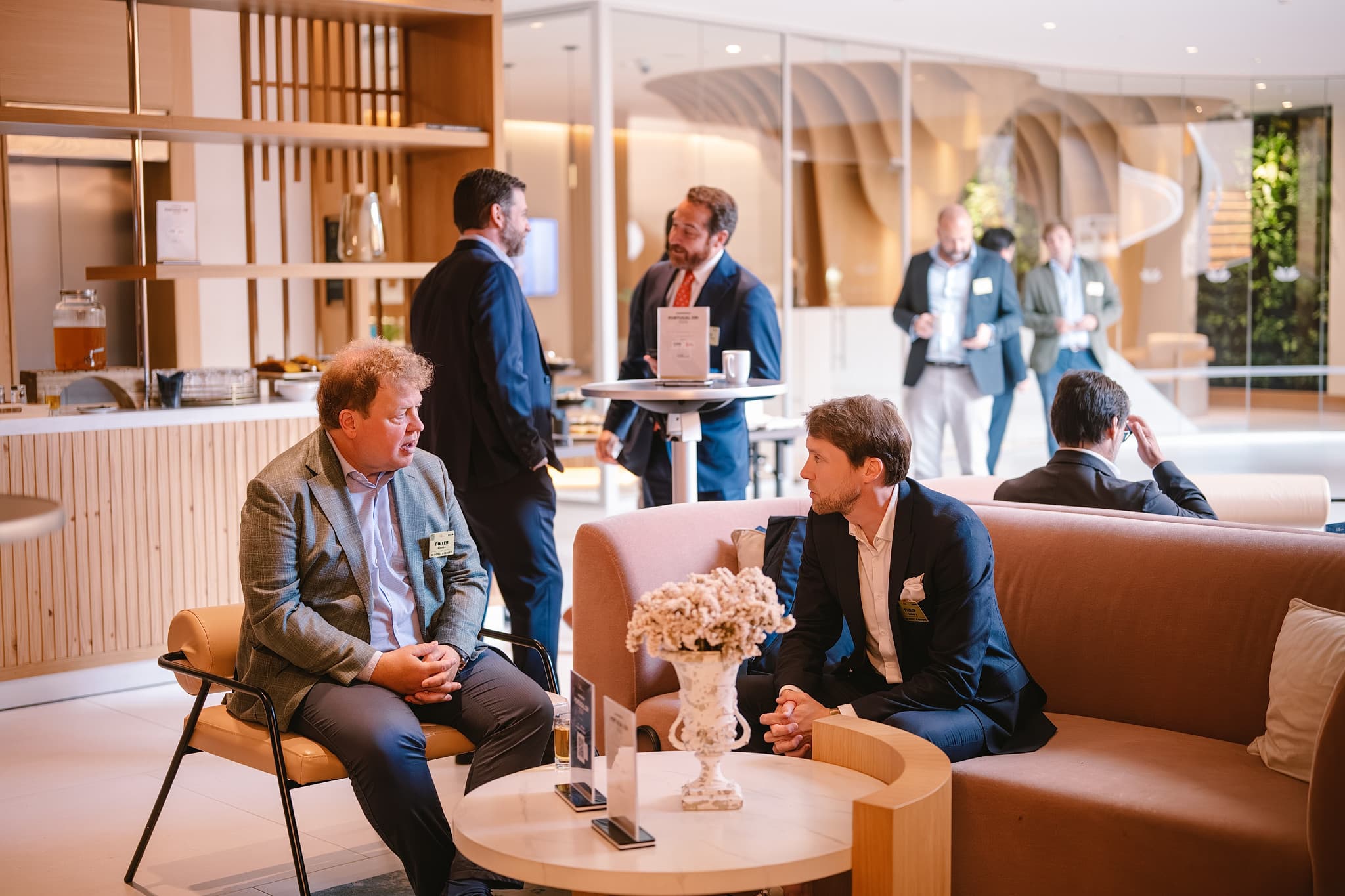
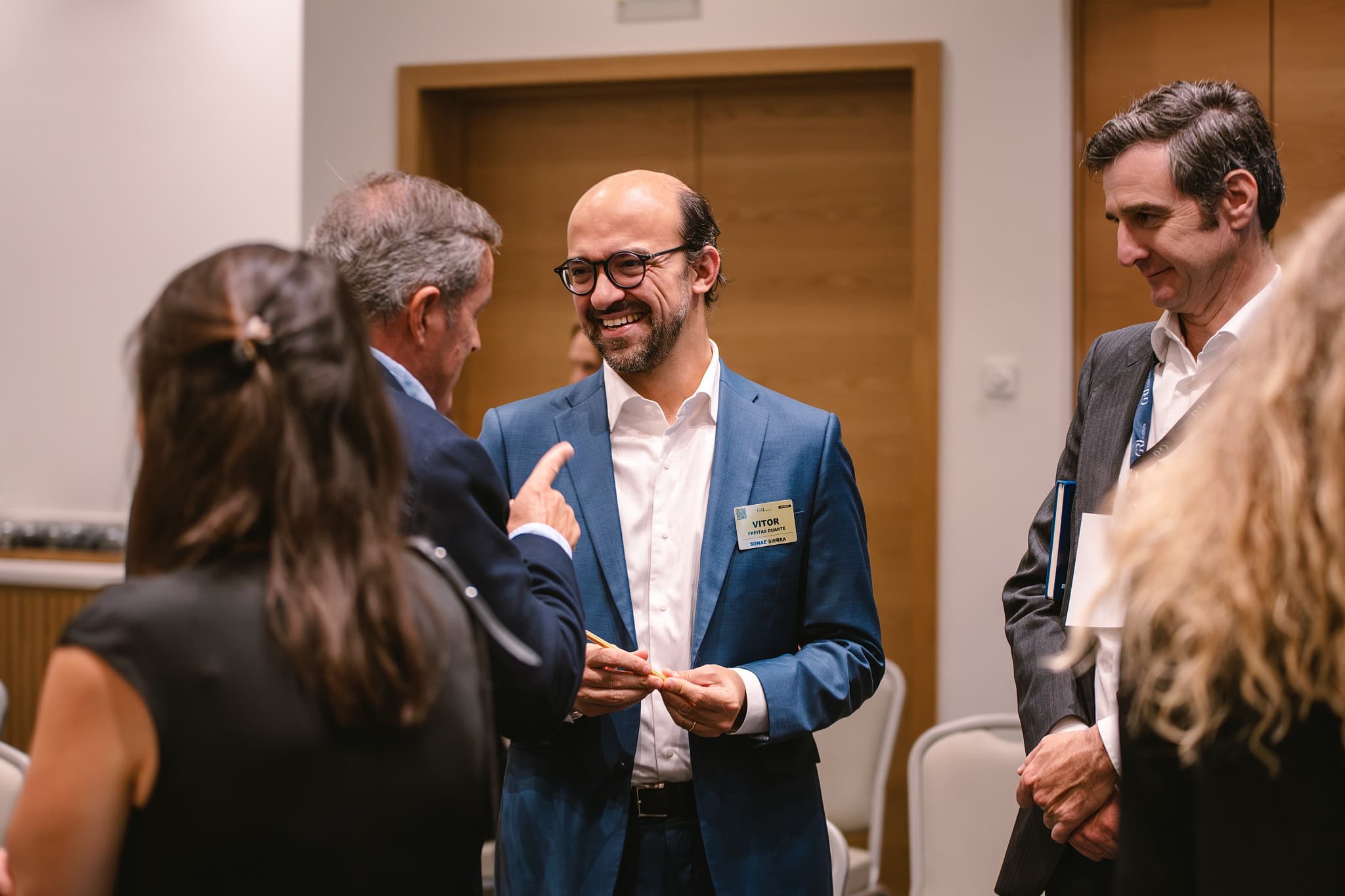
Capturing Business Communication and Networking
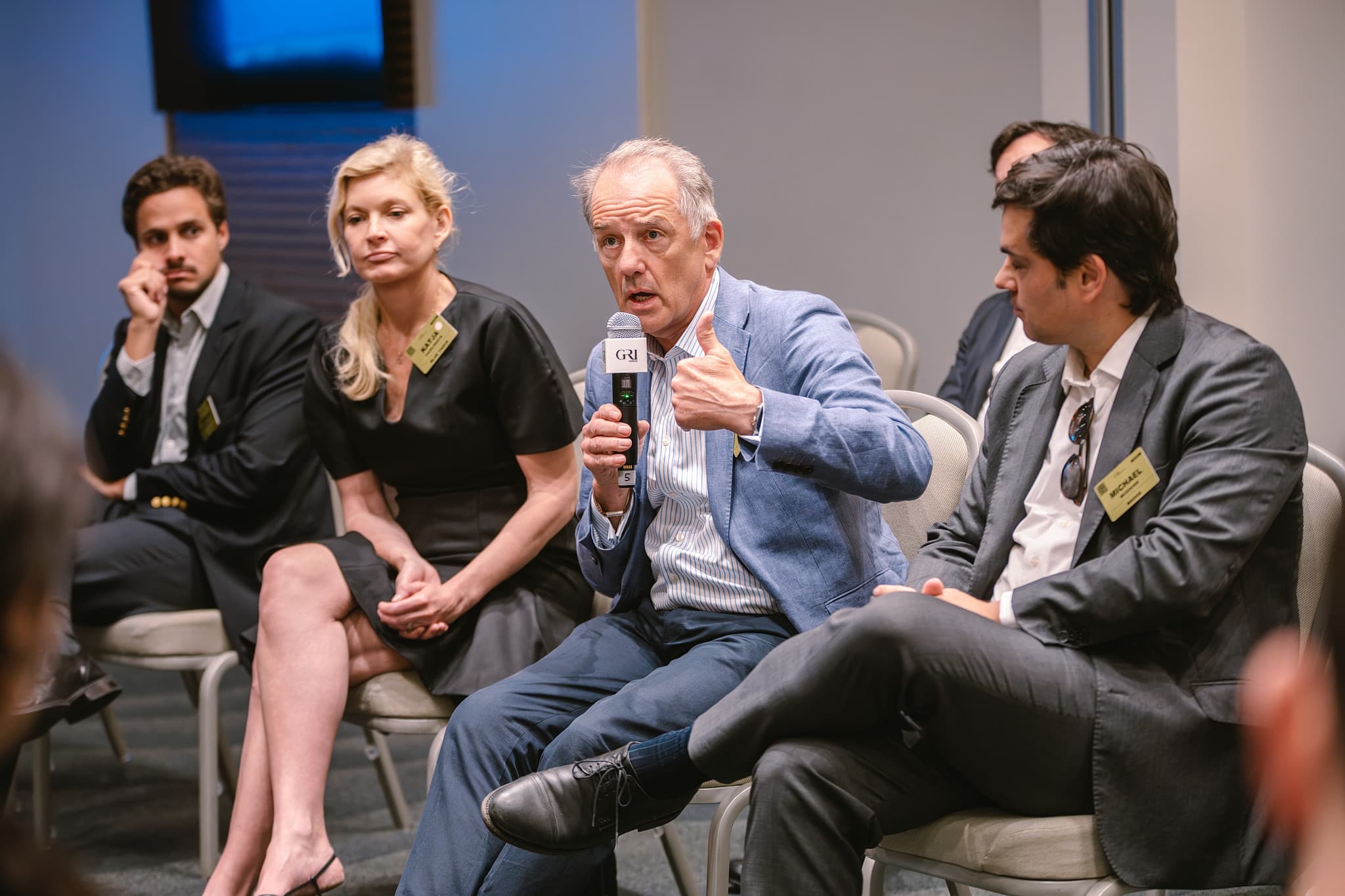
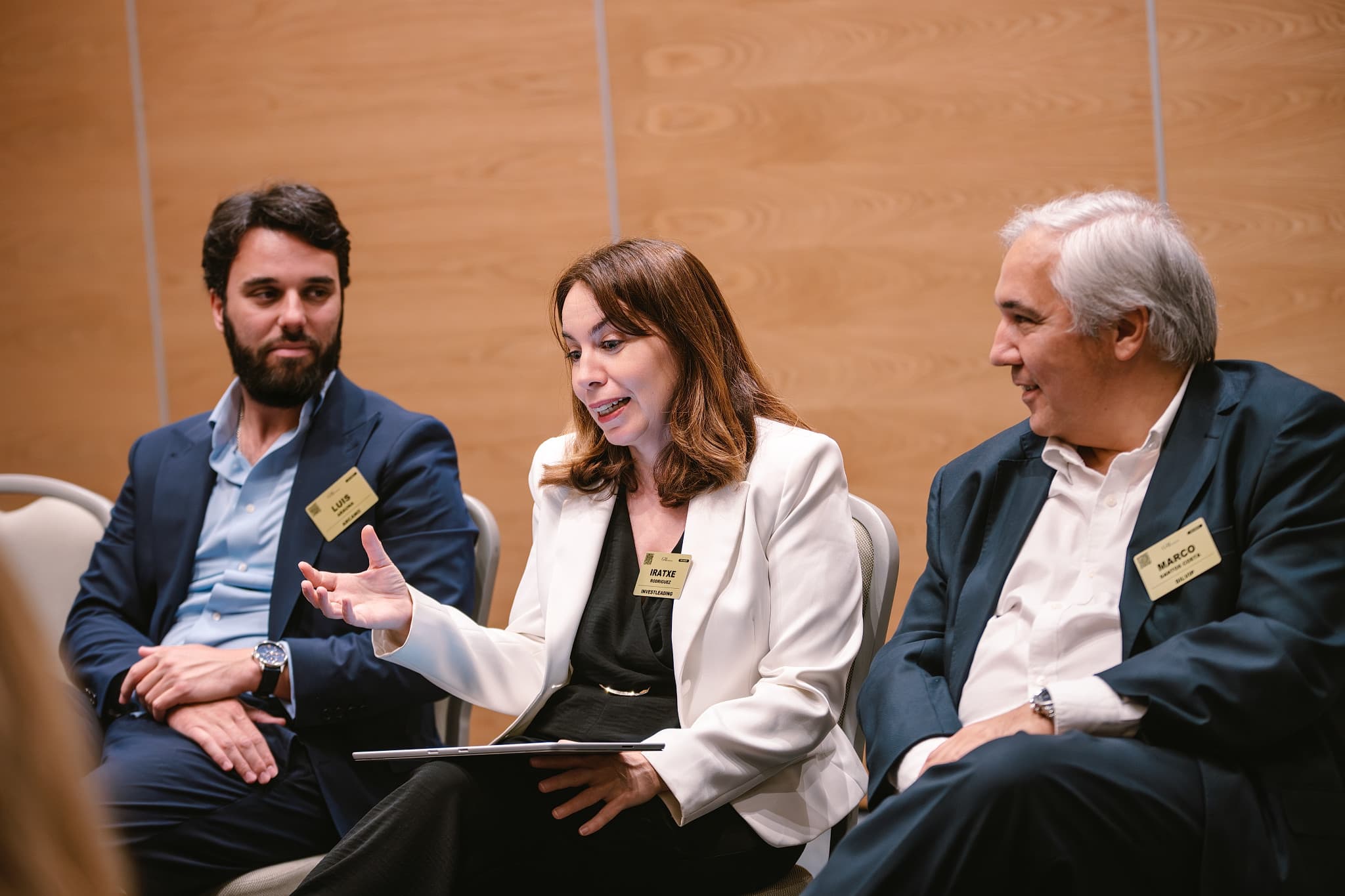
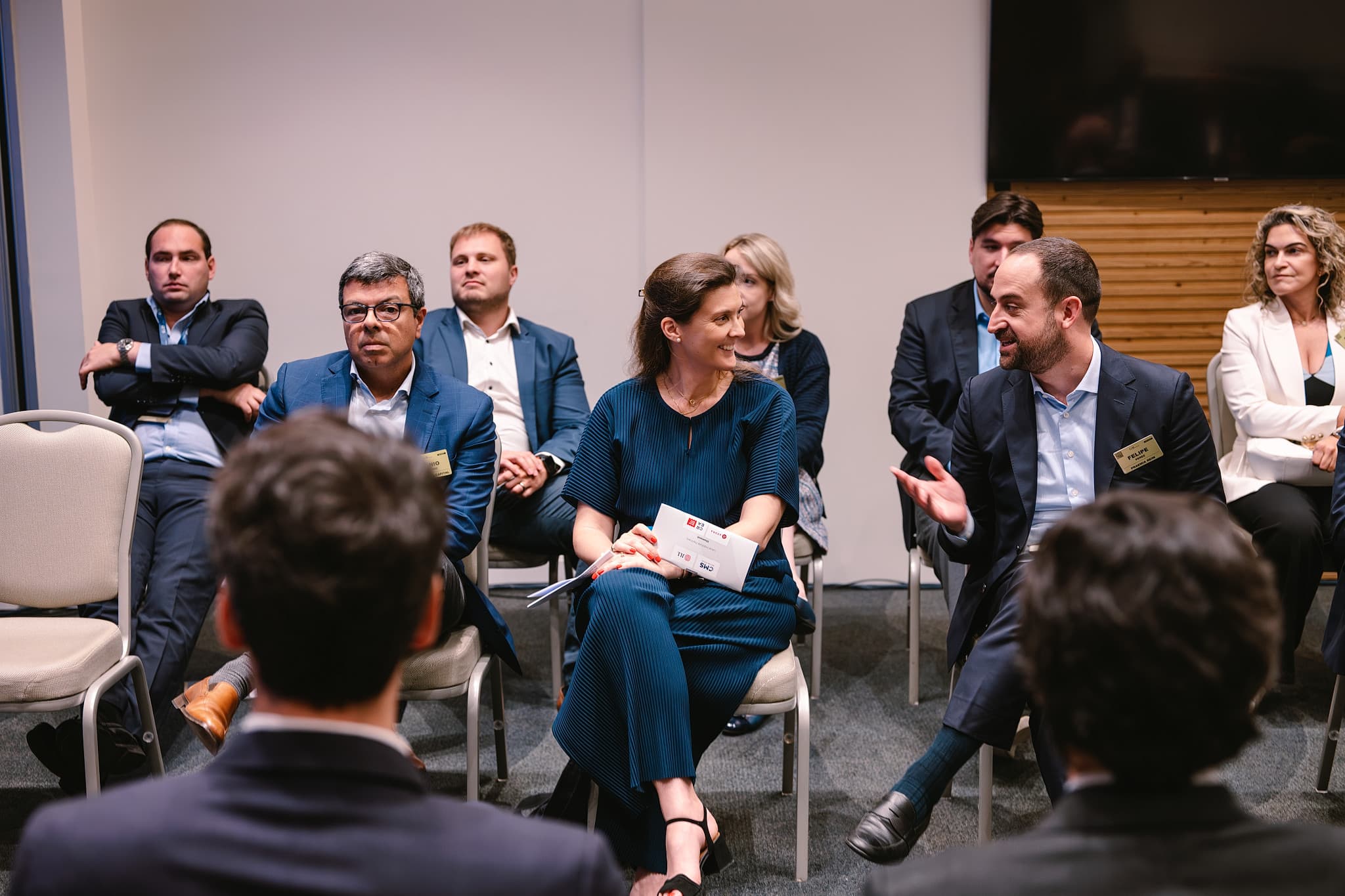
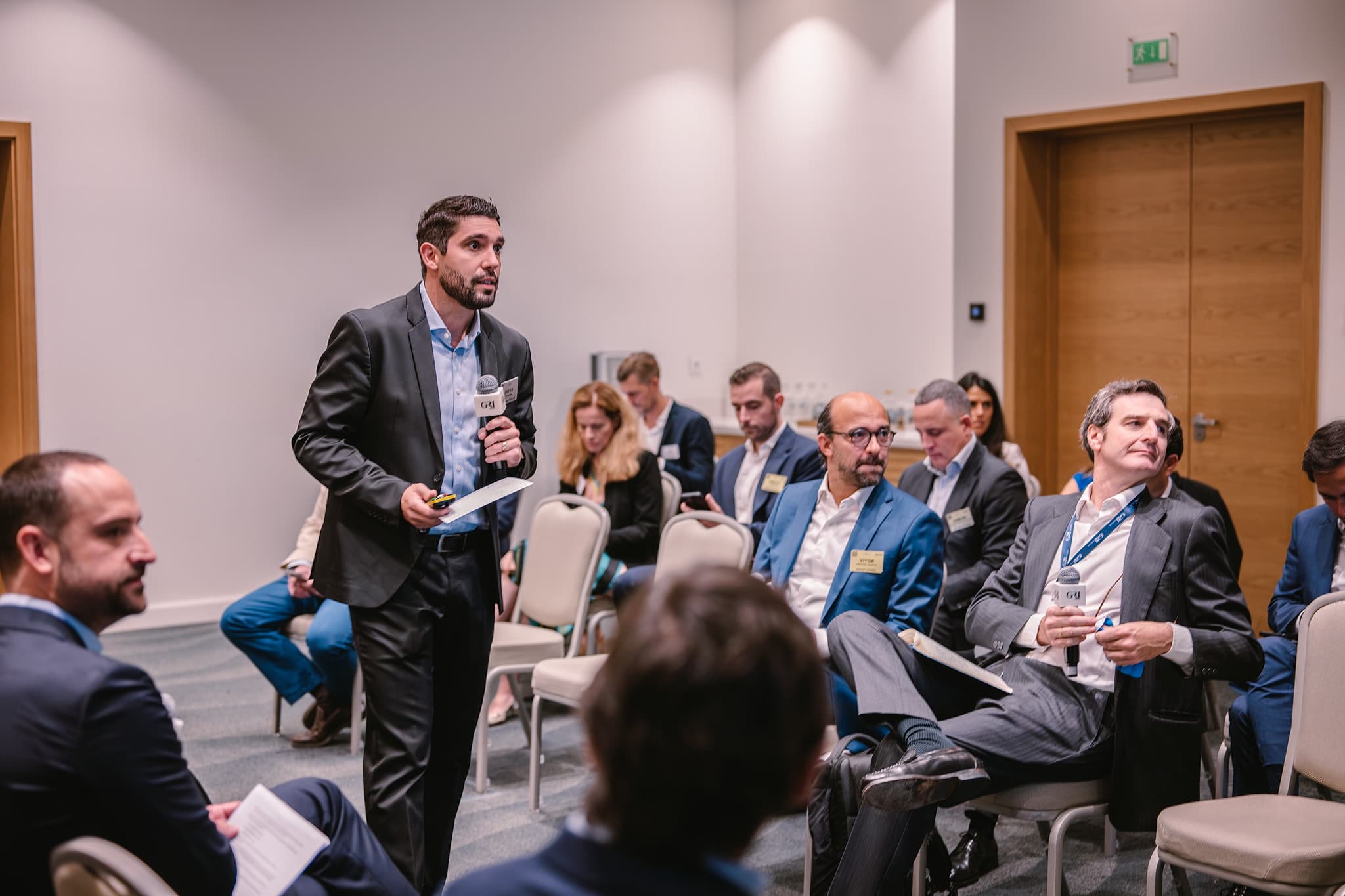
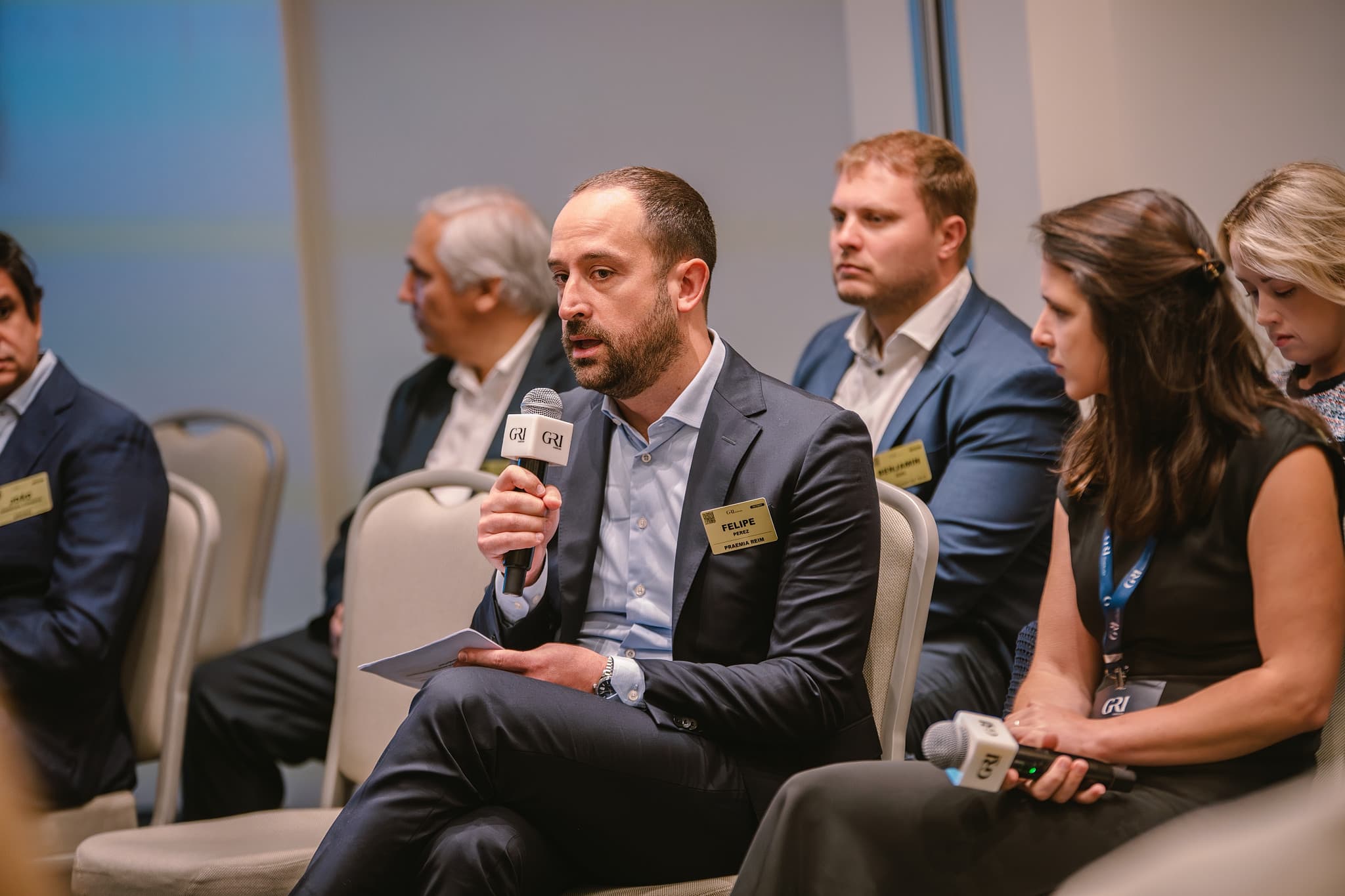
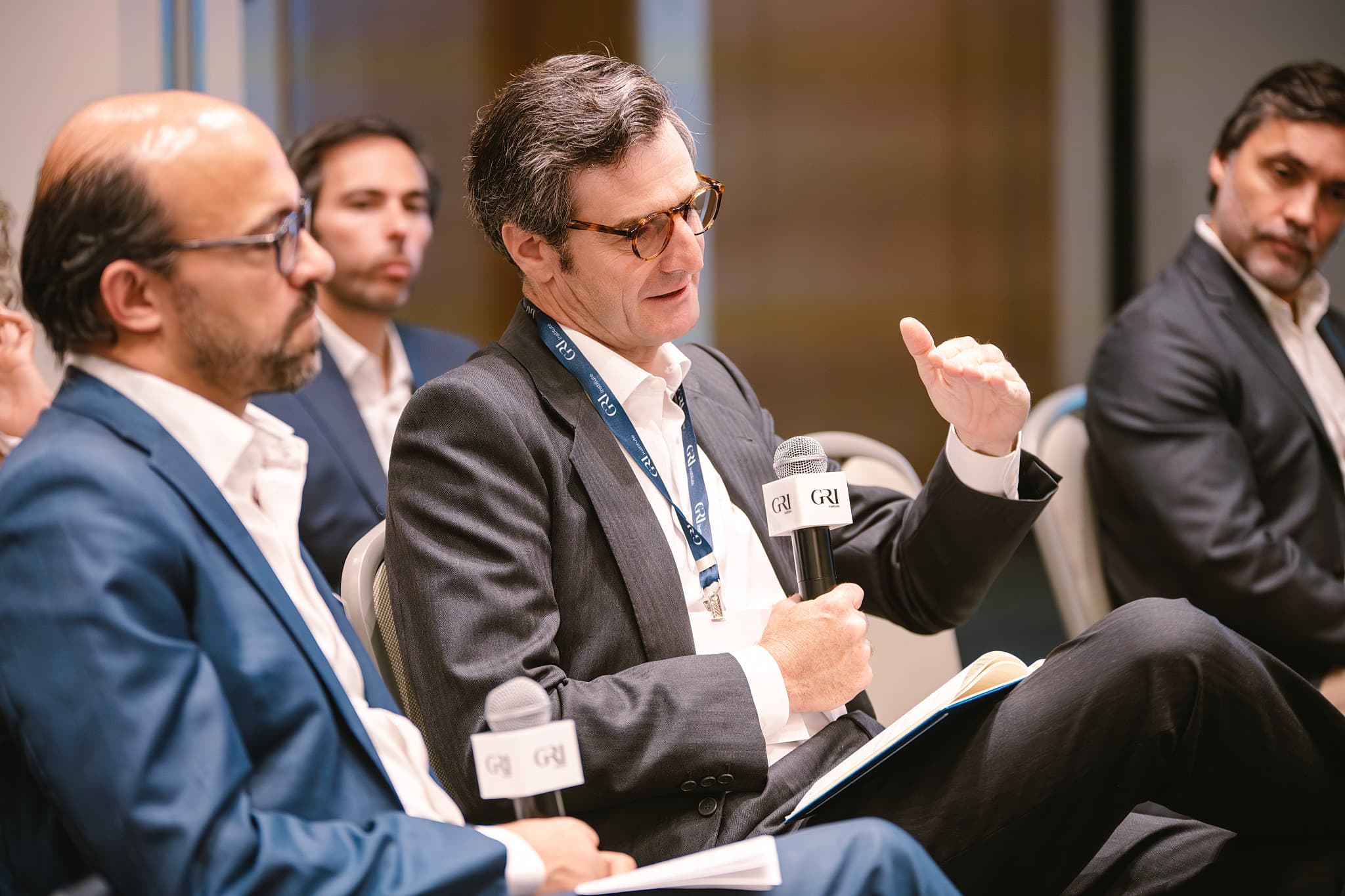
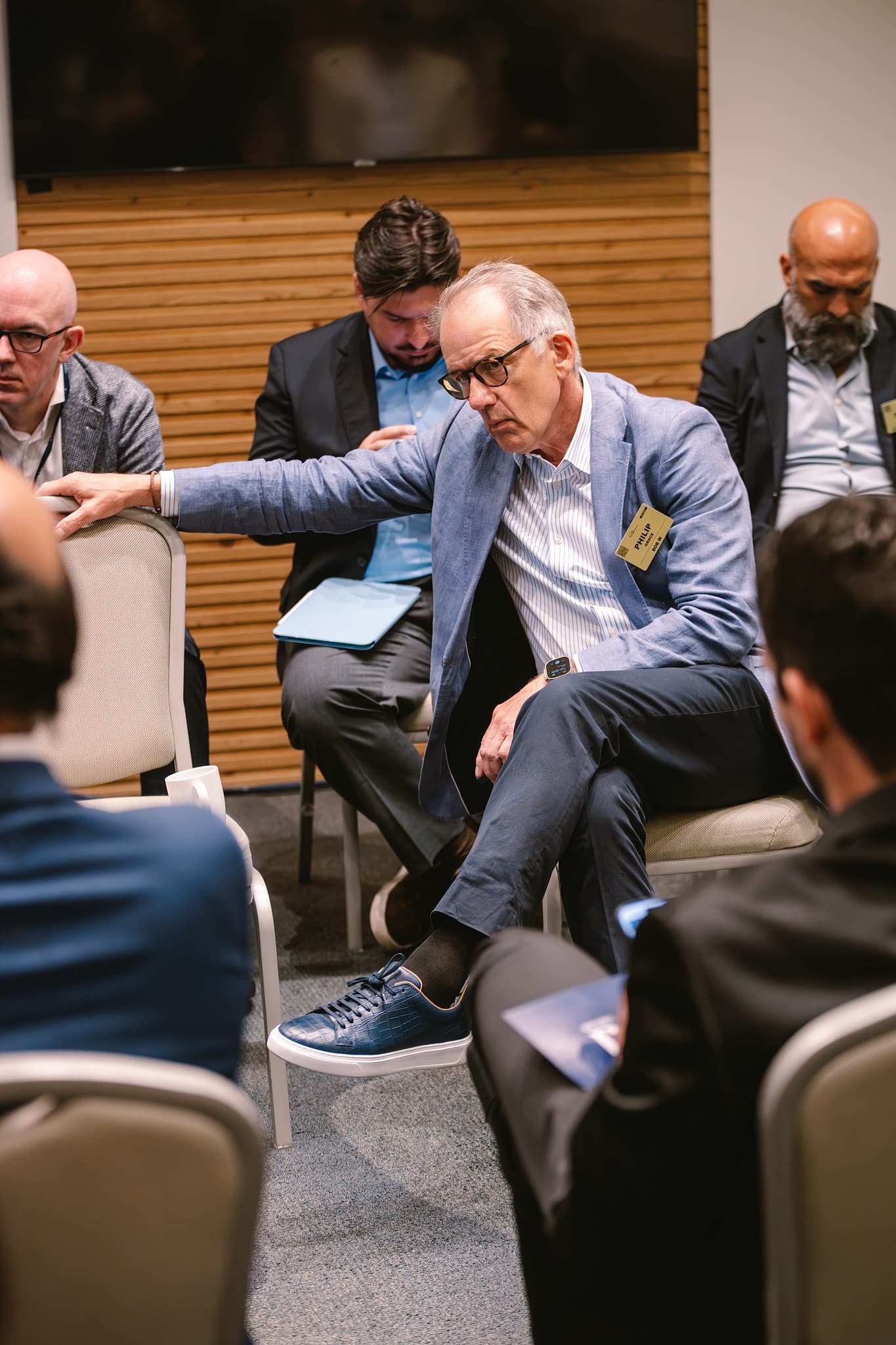
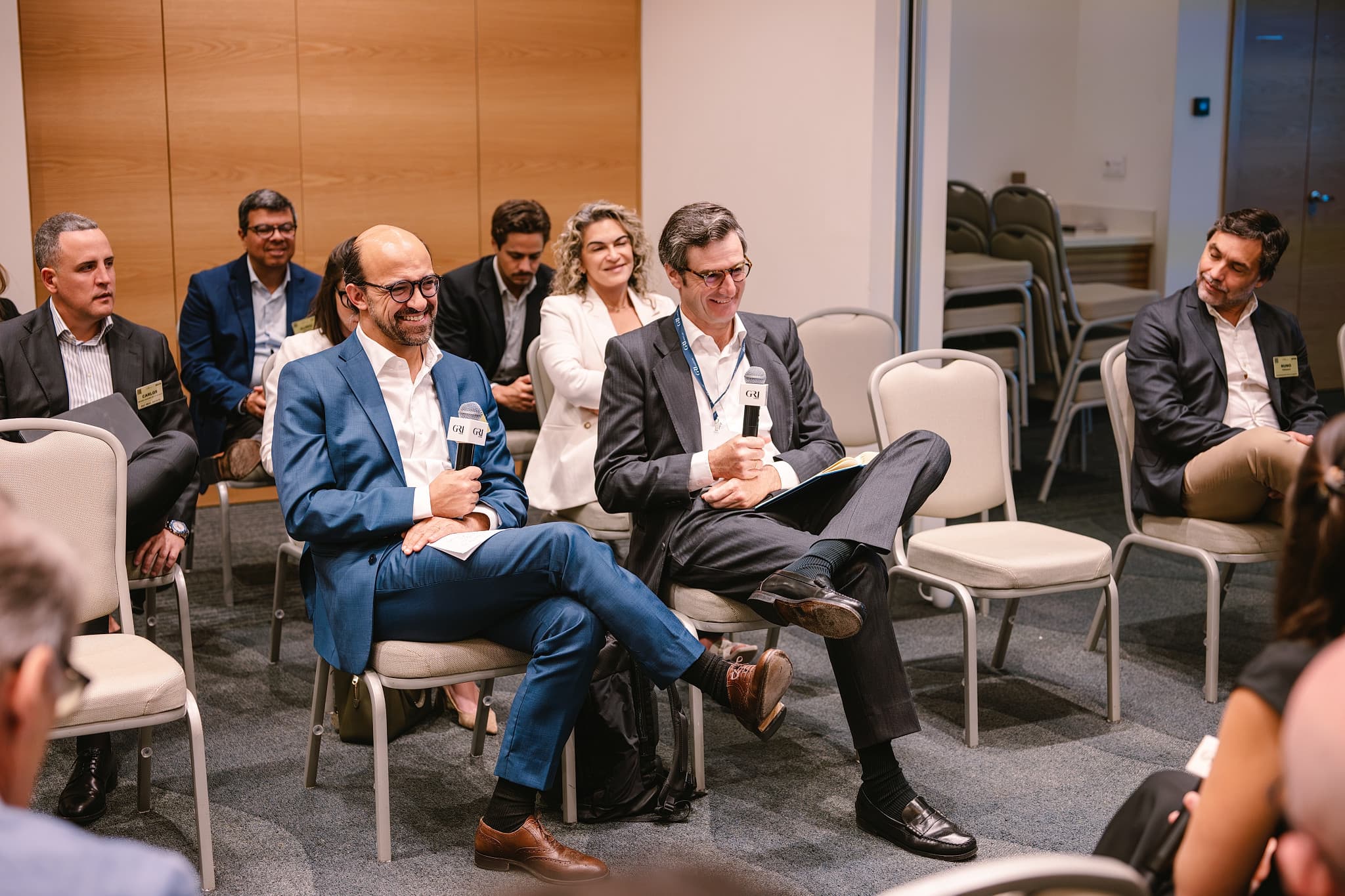
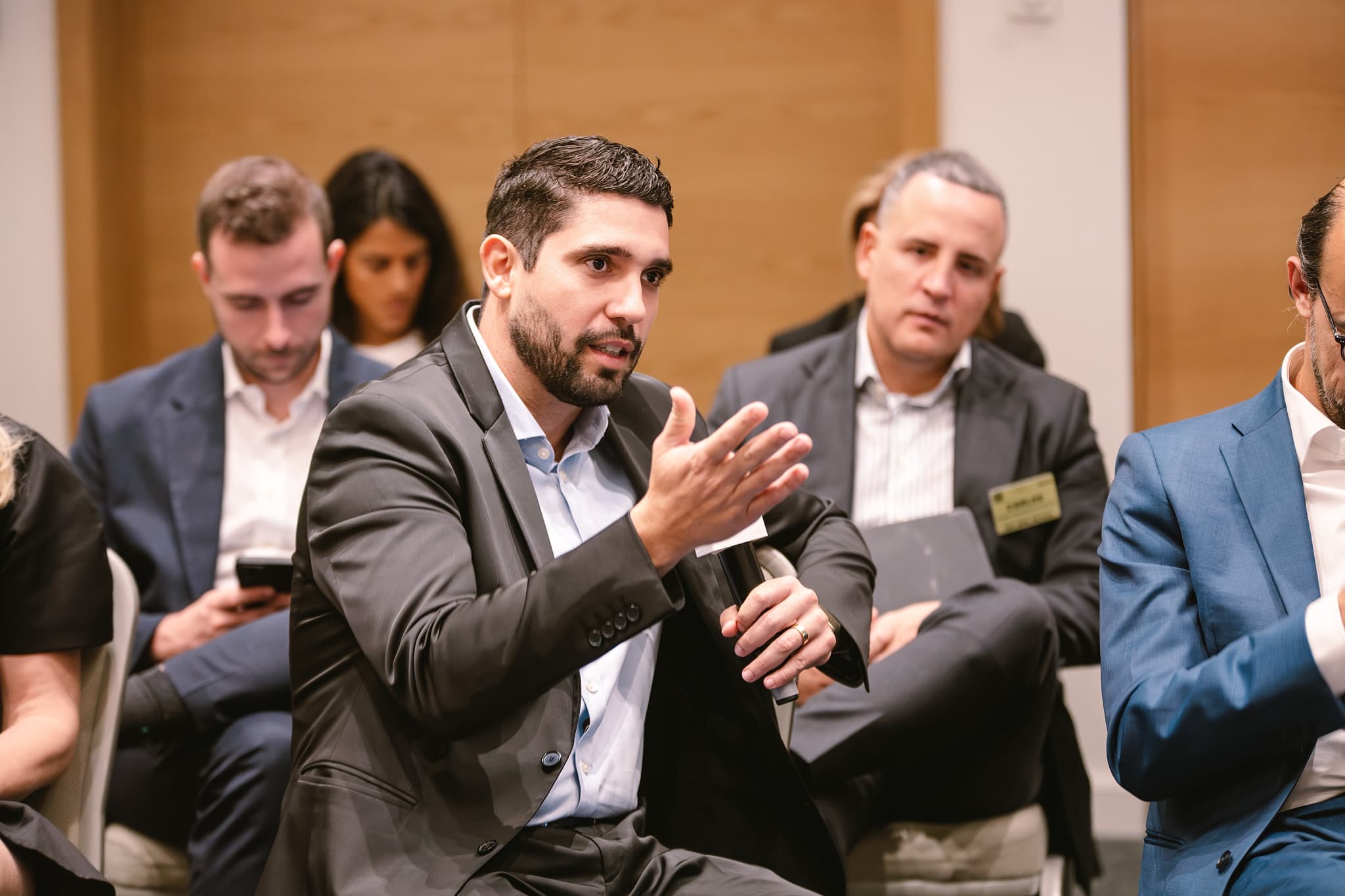
The GRI Institute format placed conversation at the centre of the events. Participants were not separated into a traditional stage-and-audience arrangement for the entire day. Much of the programme was built around direct discussions, questions and the exchange of professional perspectives.
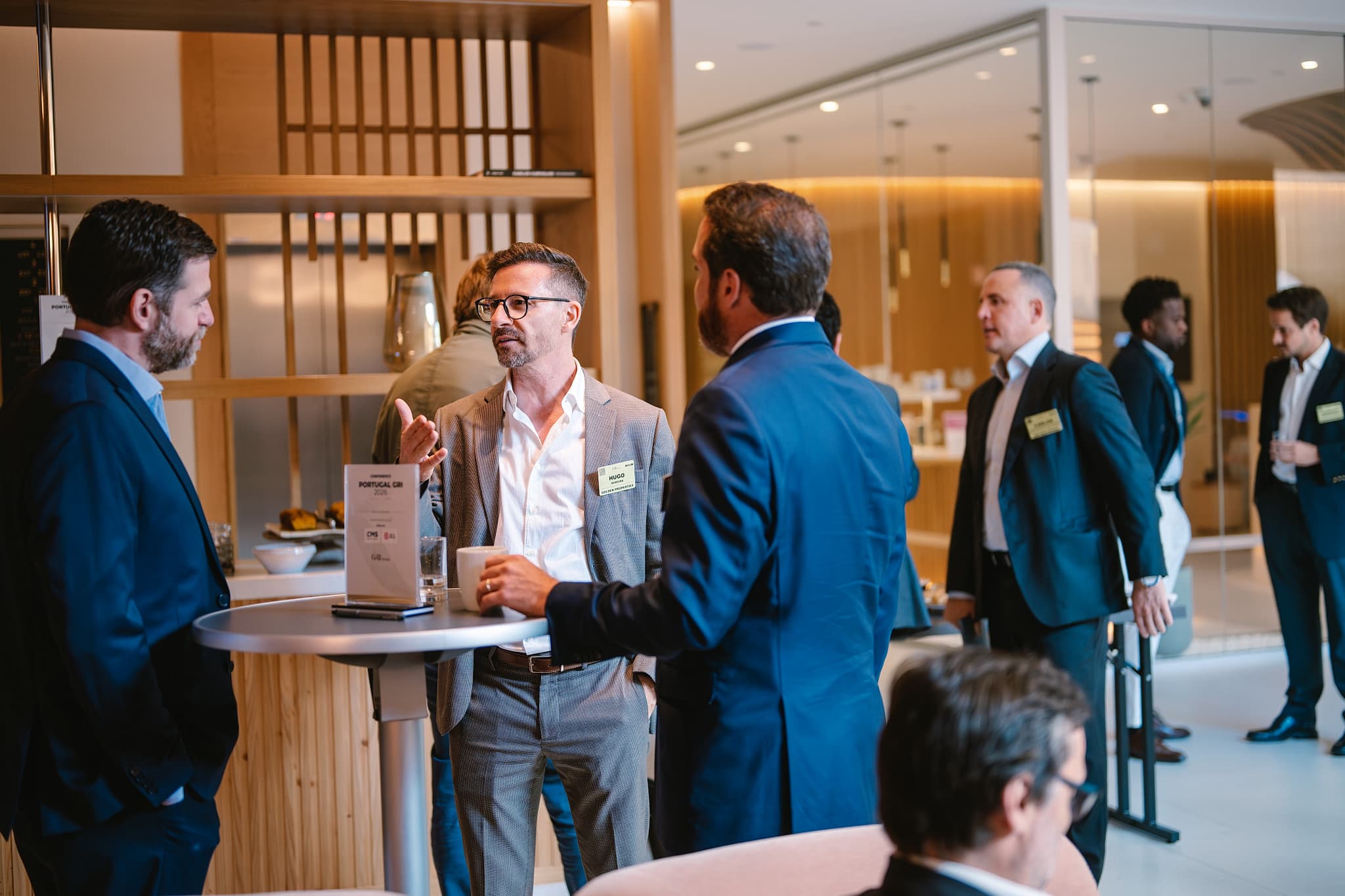
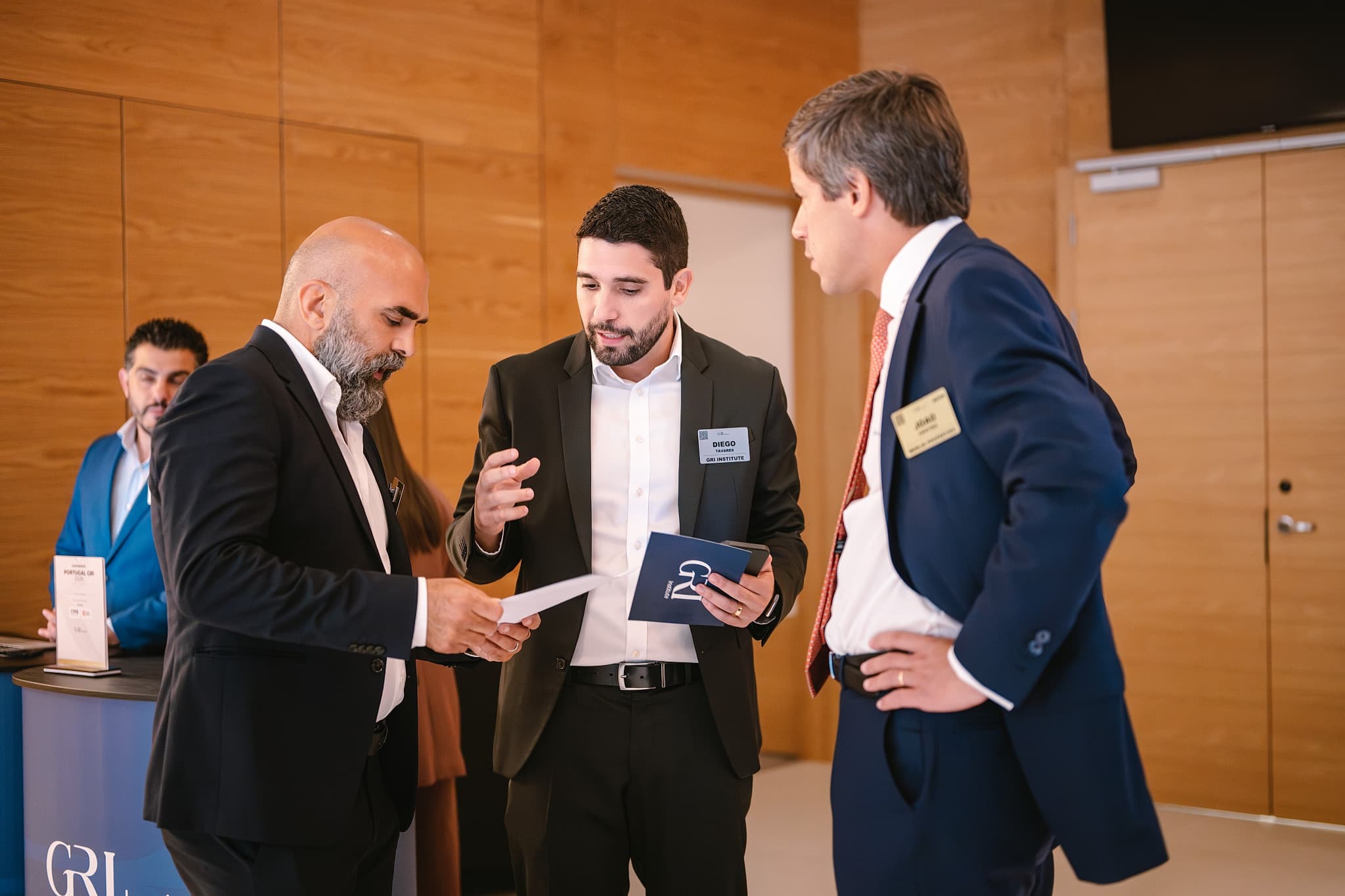
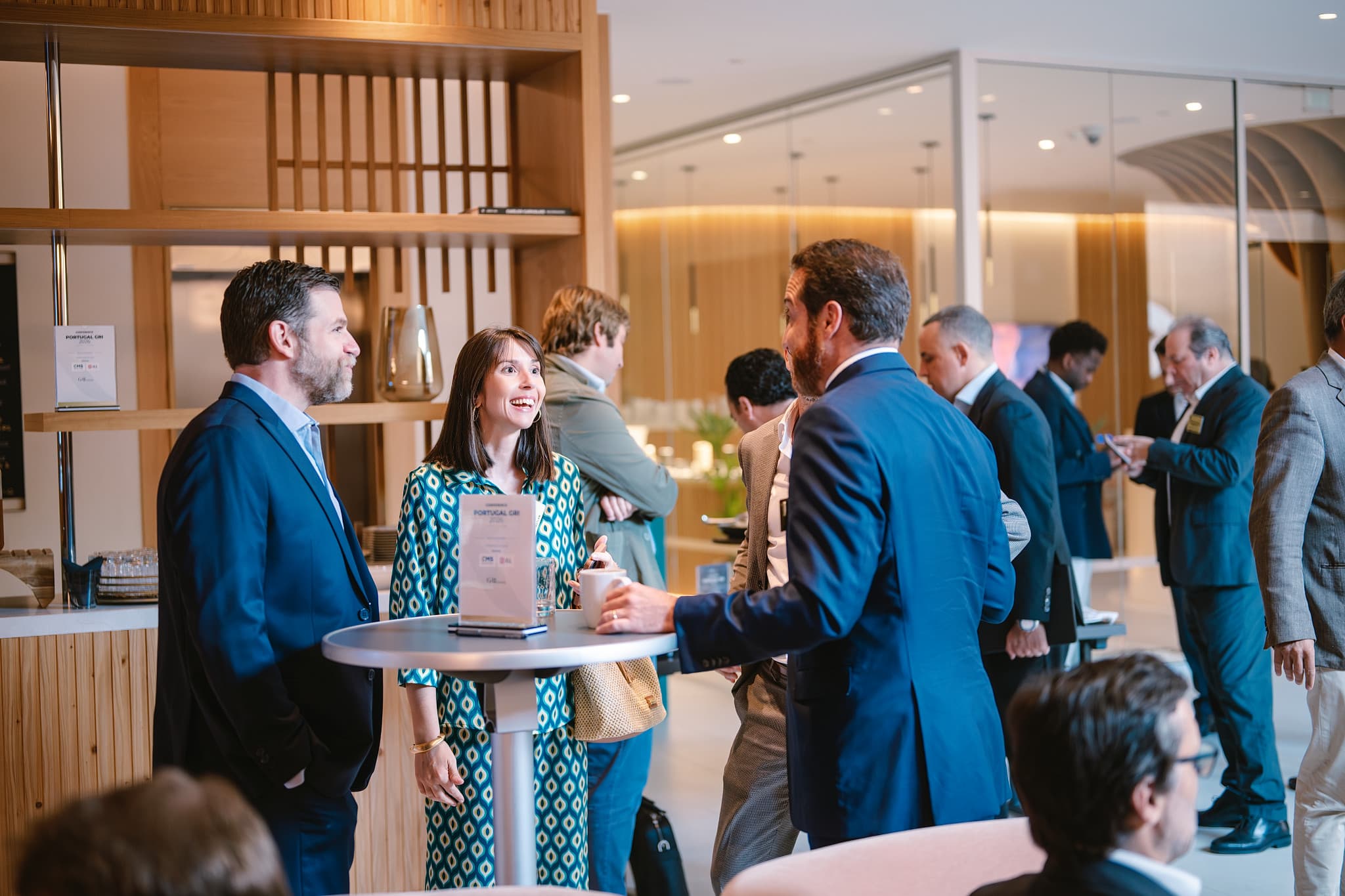
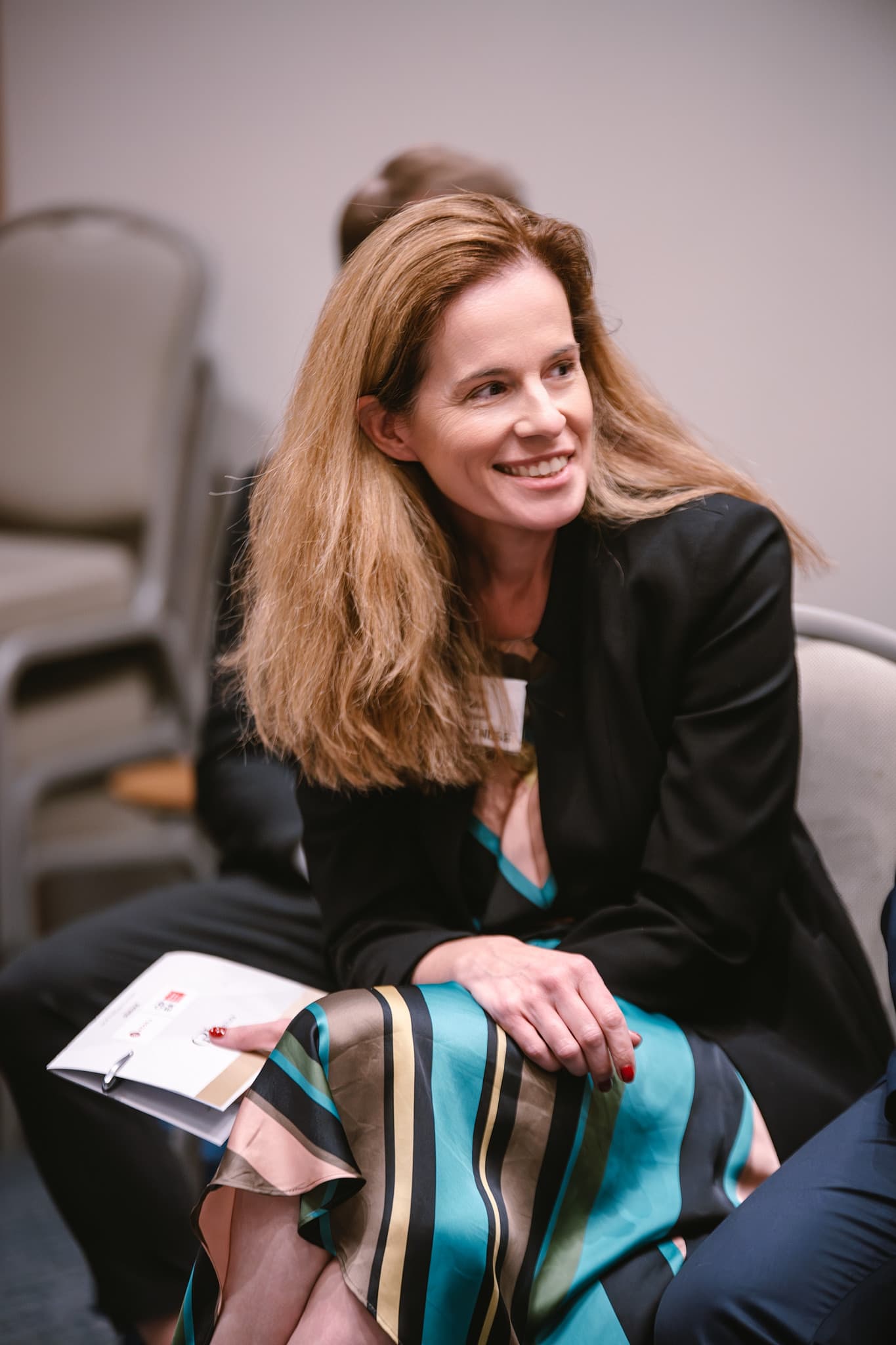
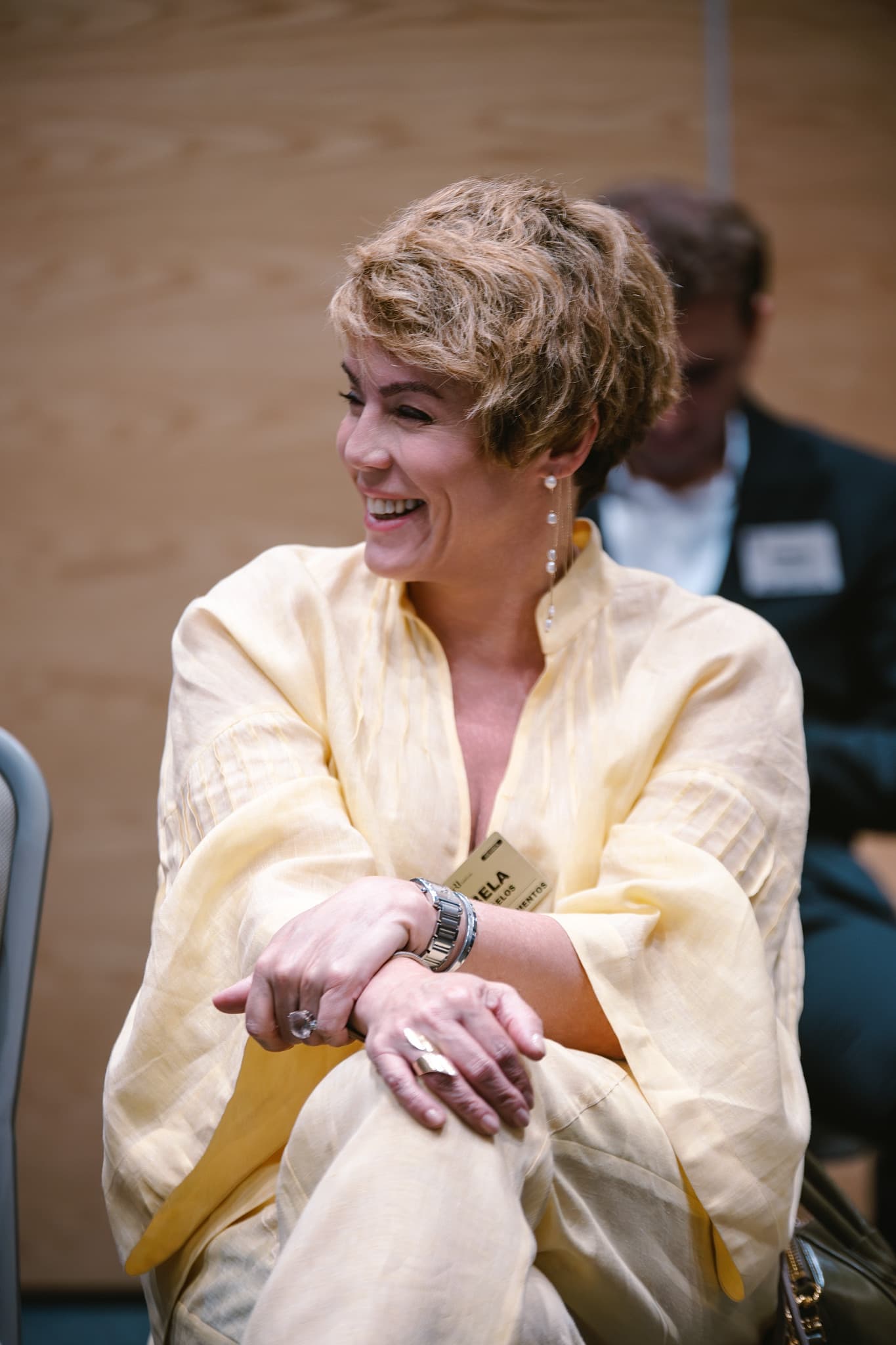
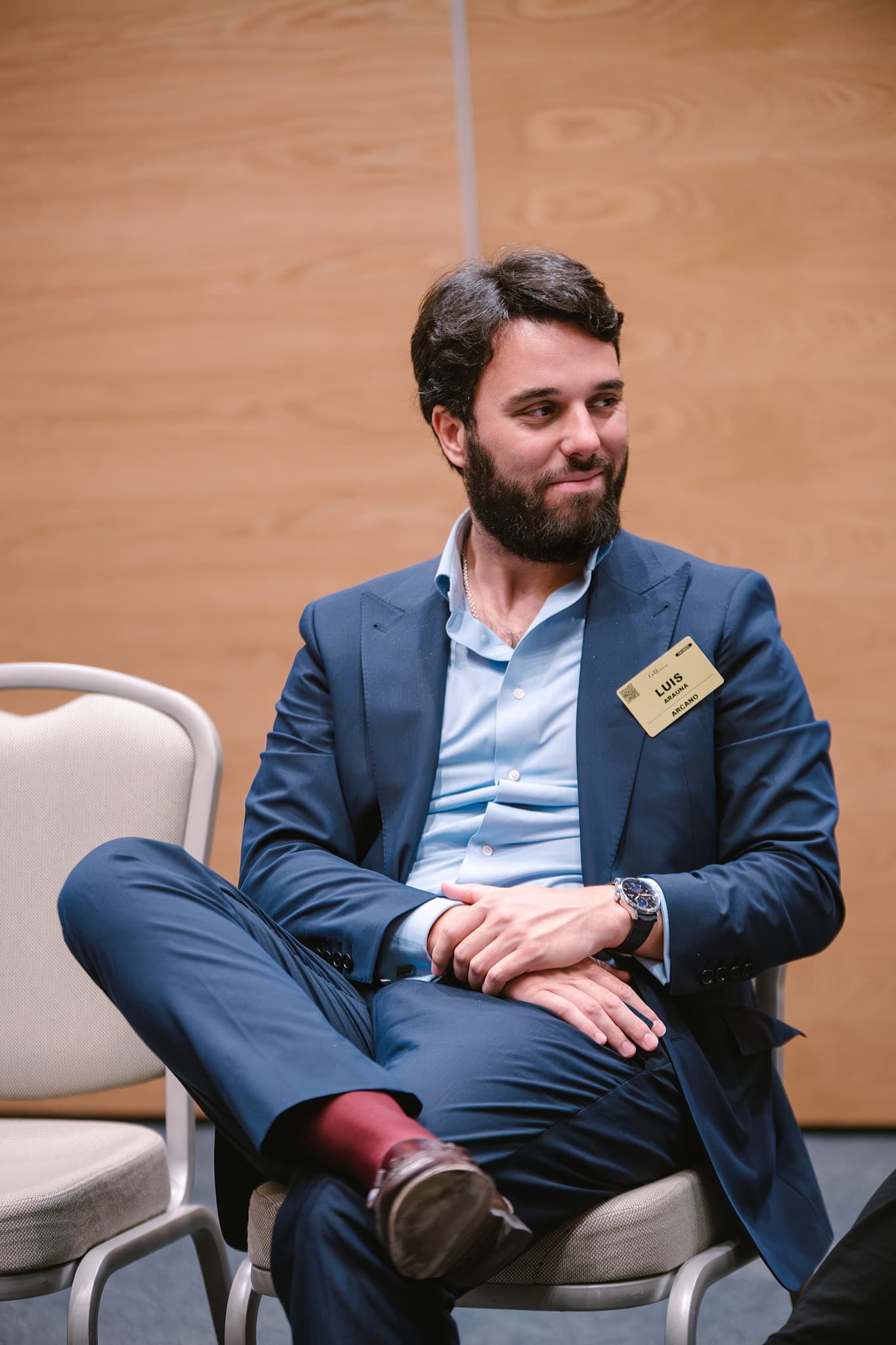
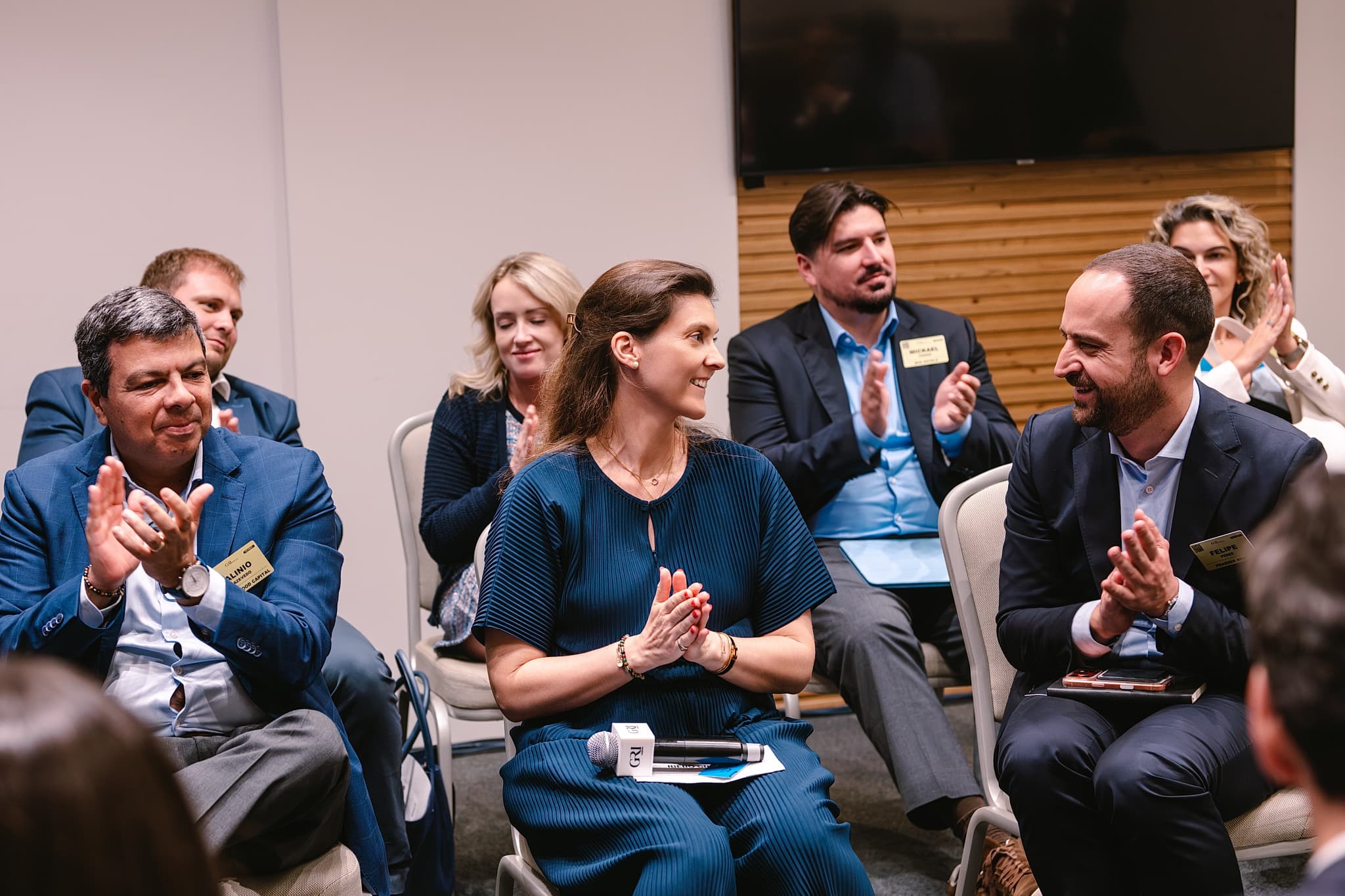
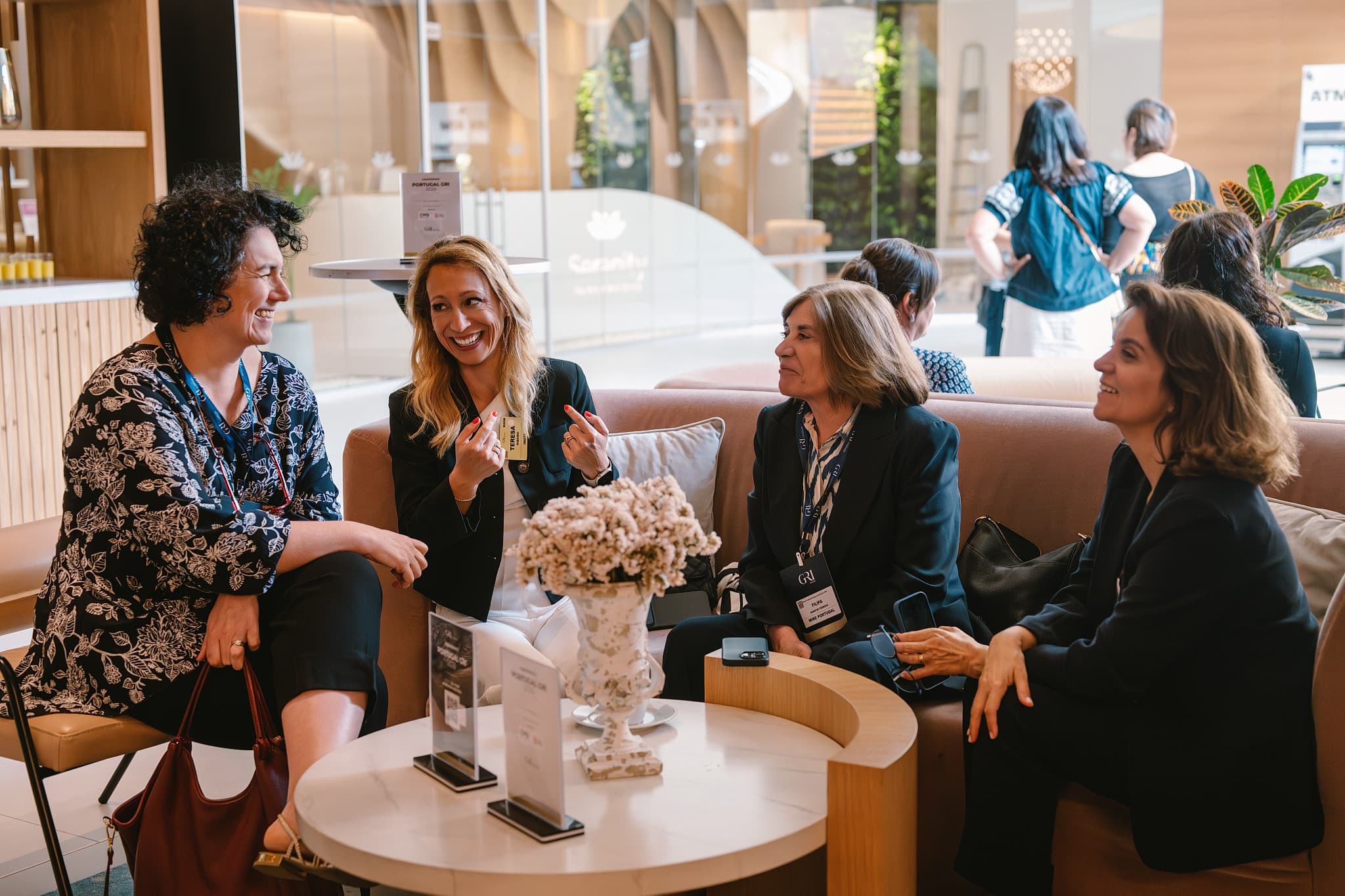
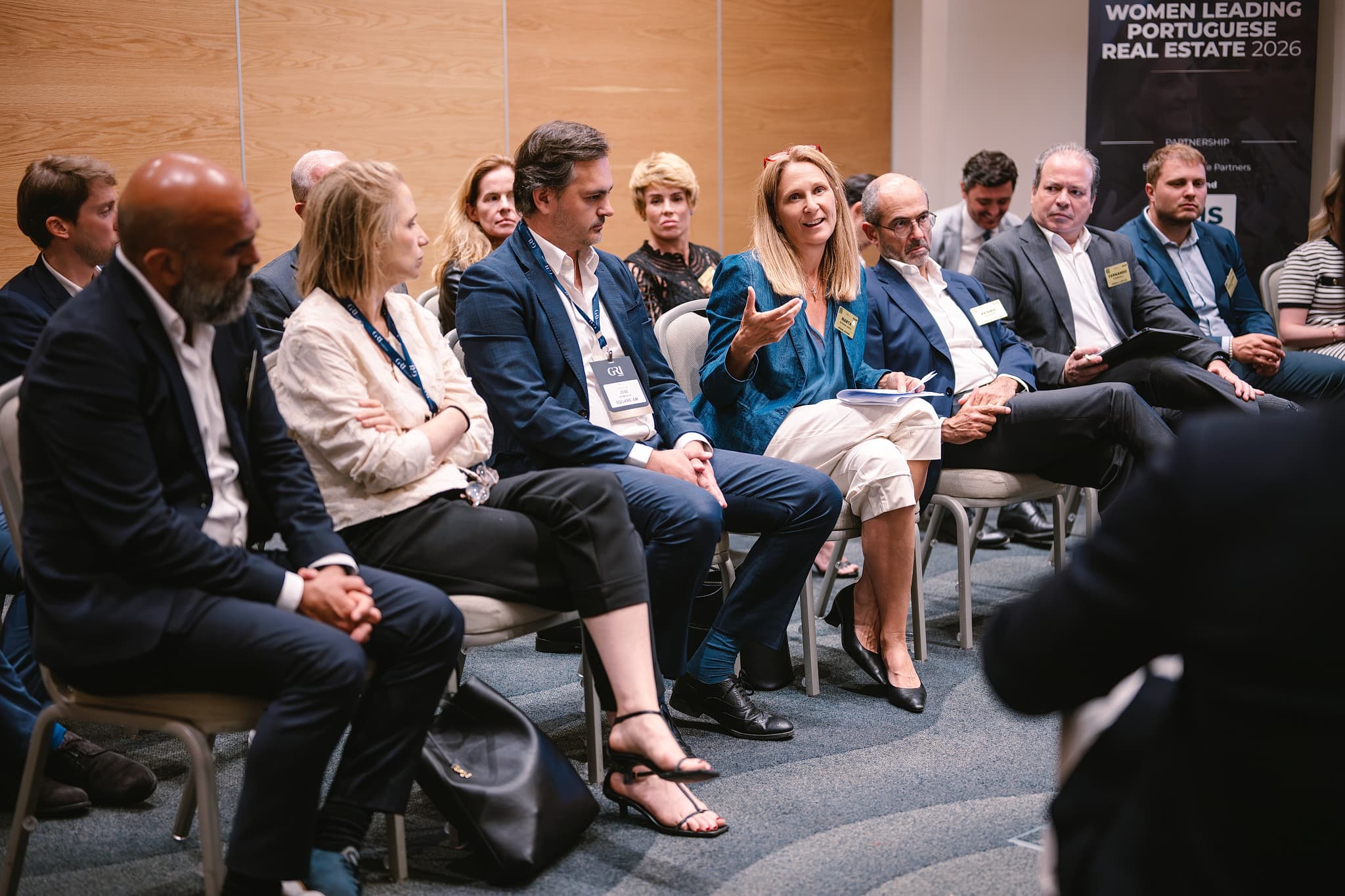
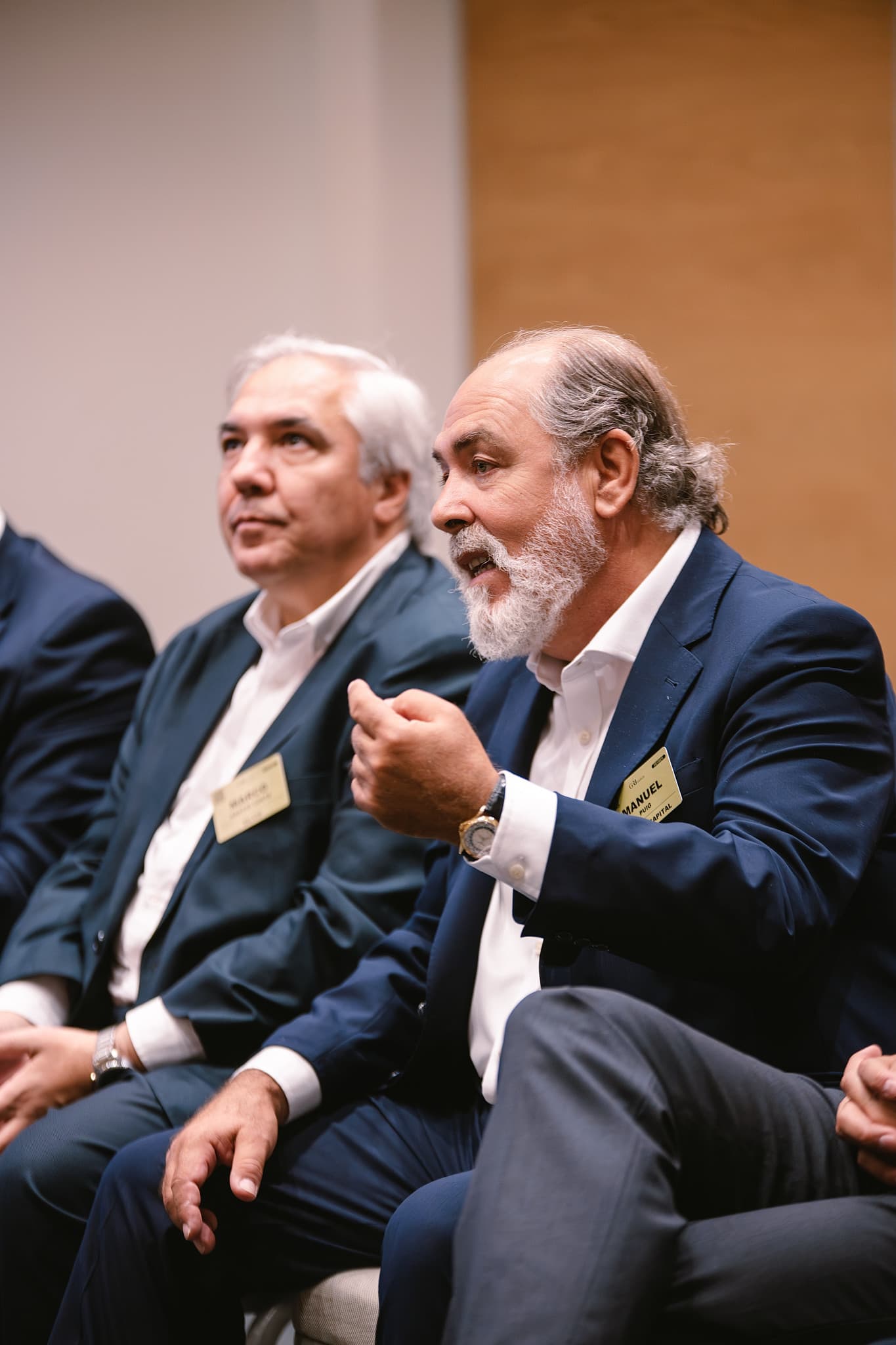
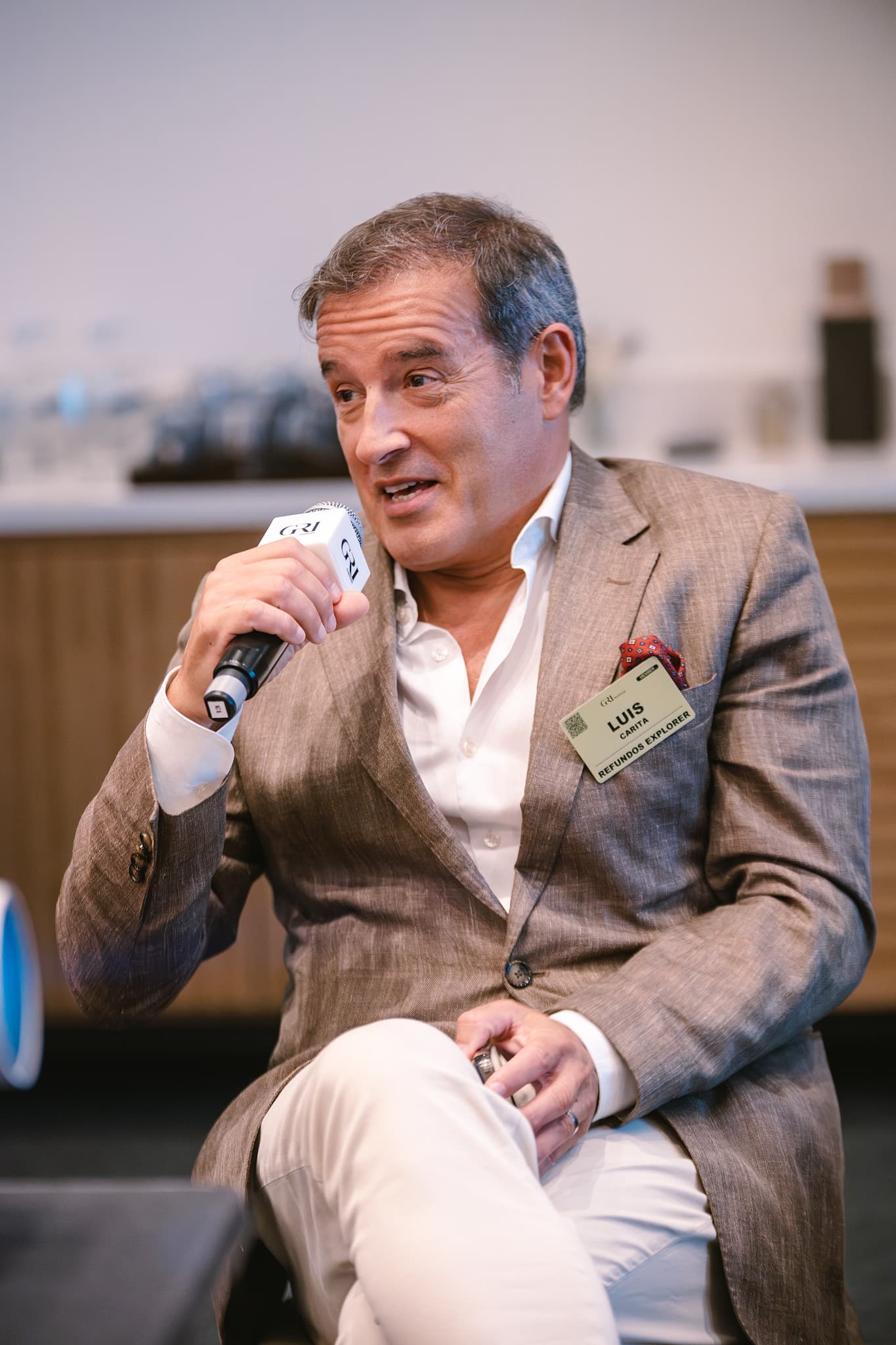
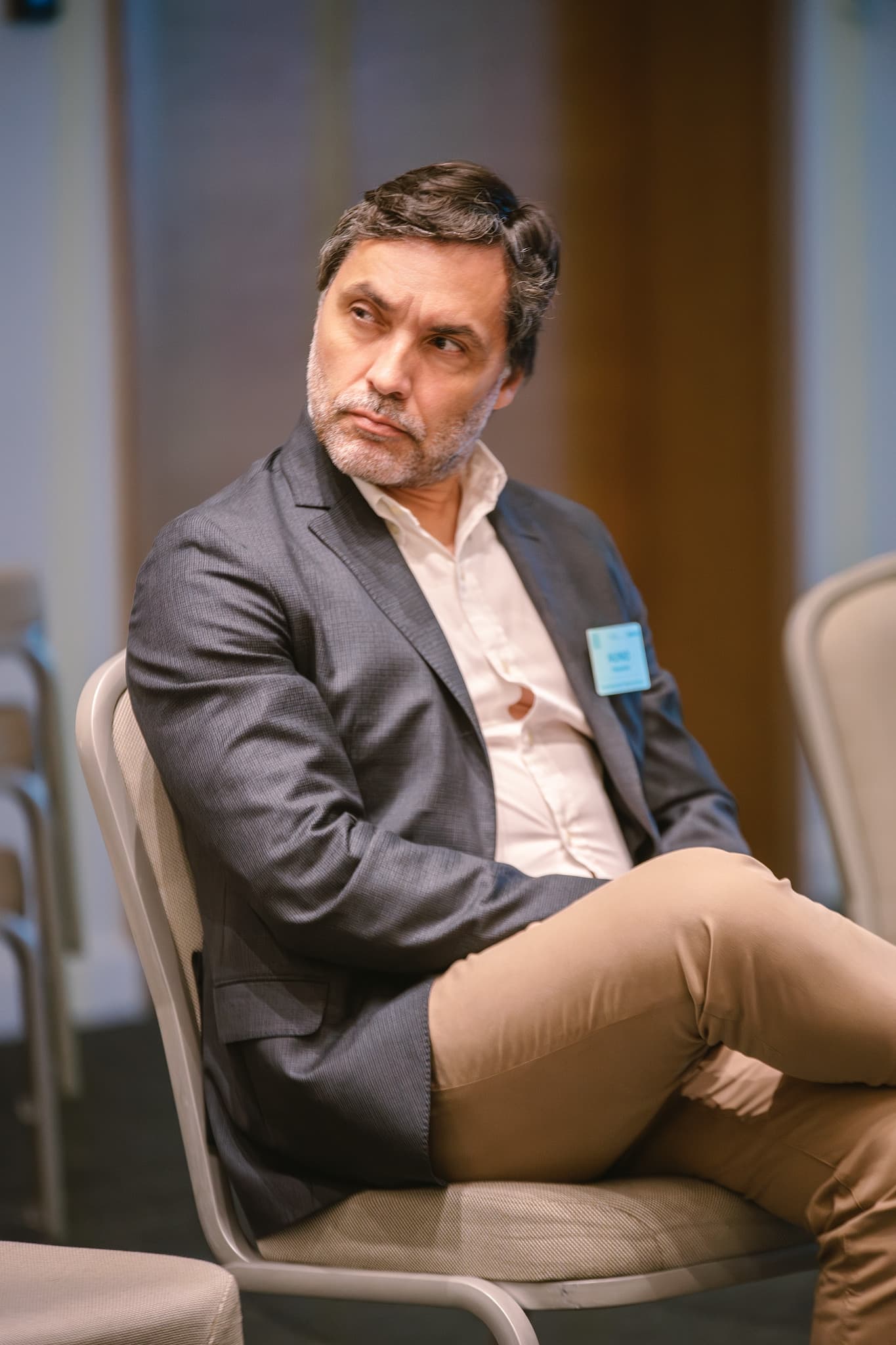
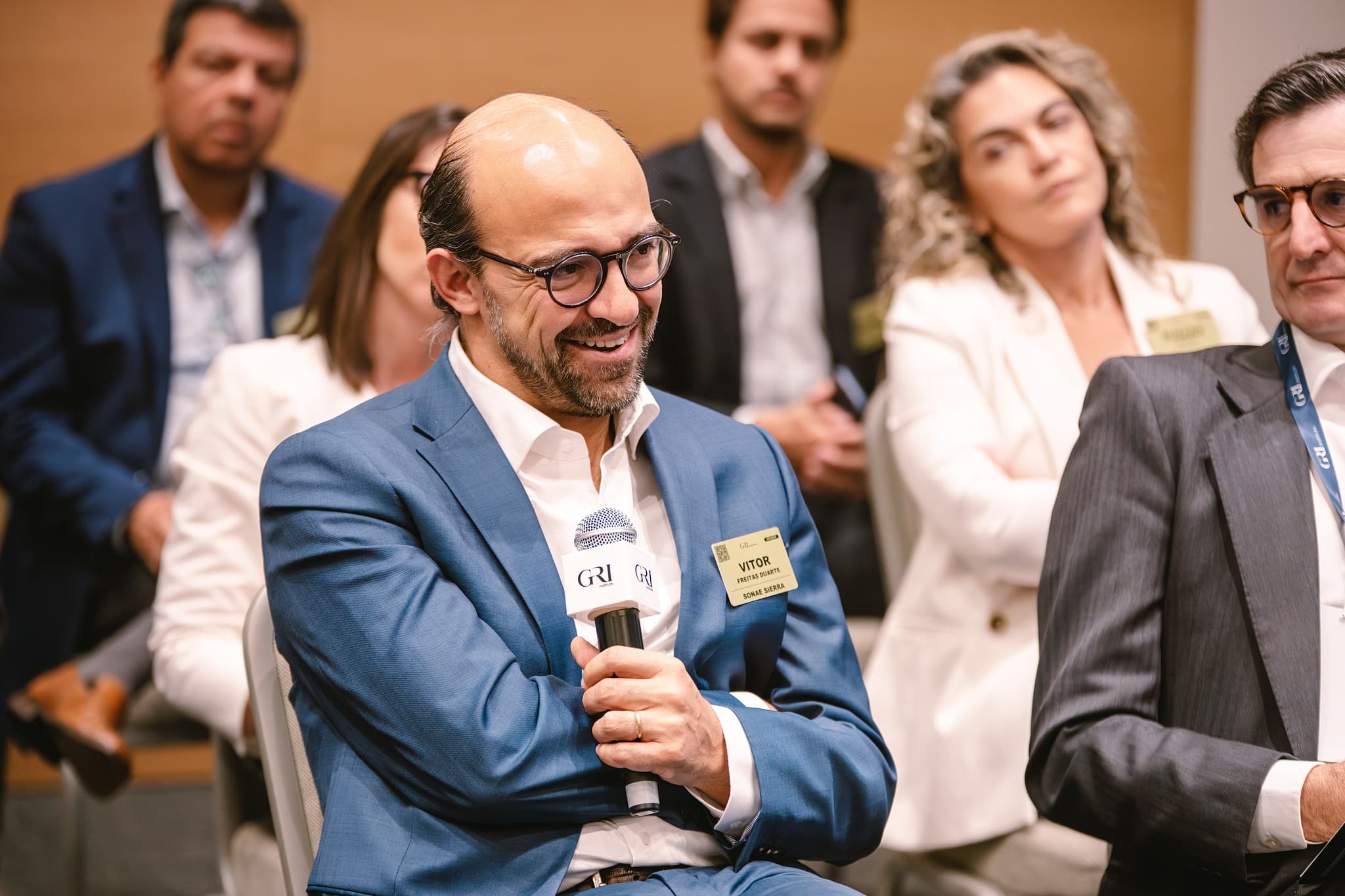
That changed the way I approached the photography. A person holding a microphone was only one part of the story. I also looked for attentive expressions, gestures between speakers, reactions from other participants and the quieter moments when a discussion continued after the formal session had finished.
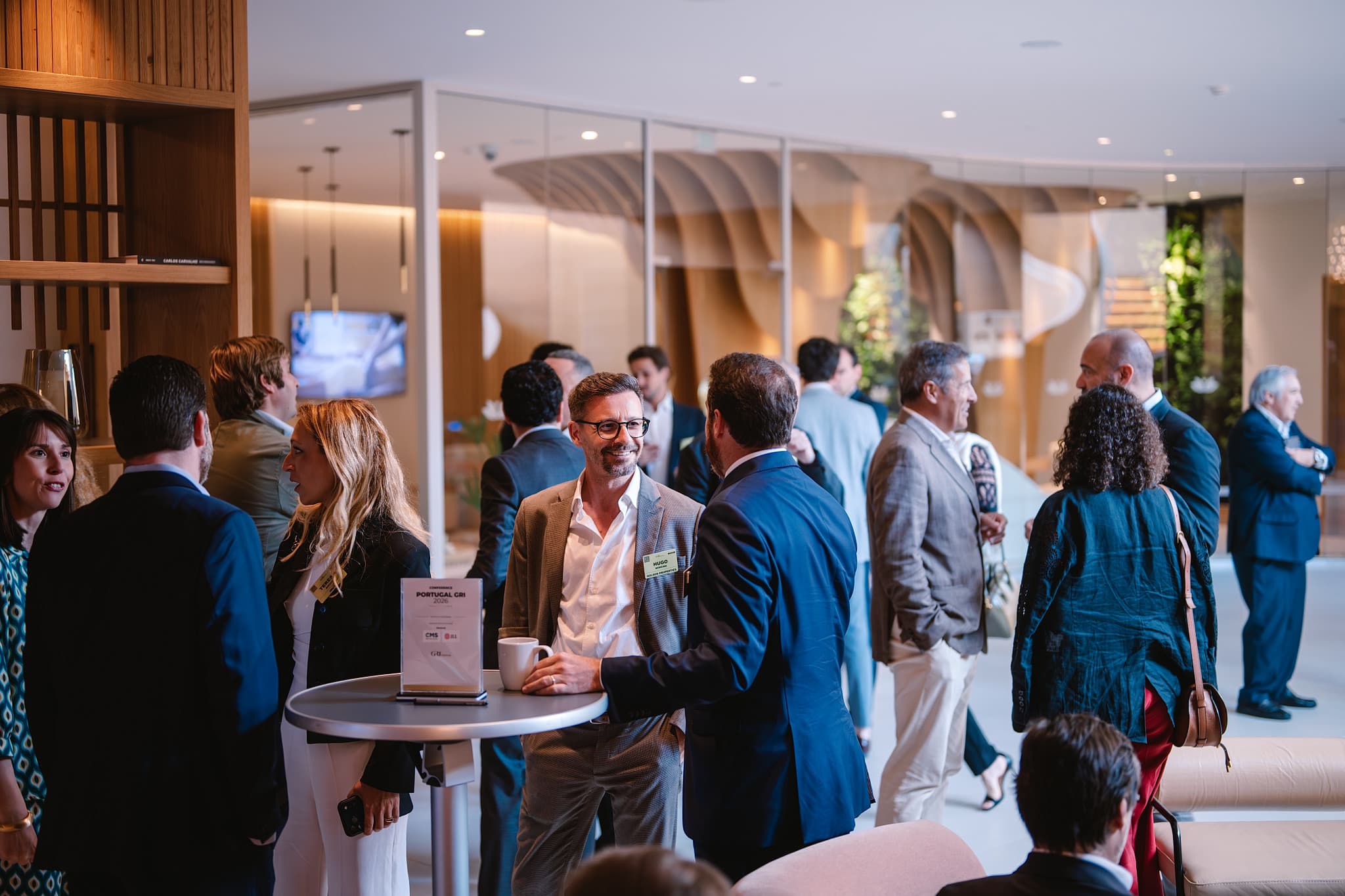
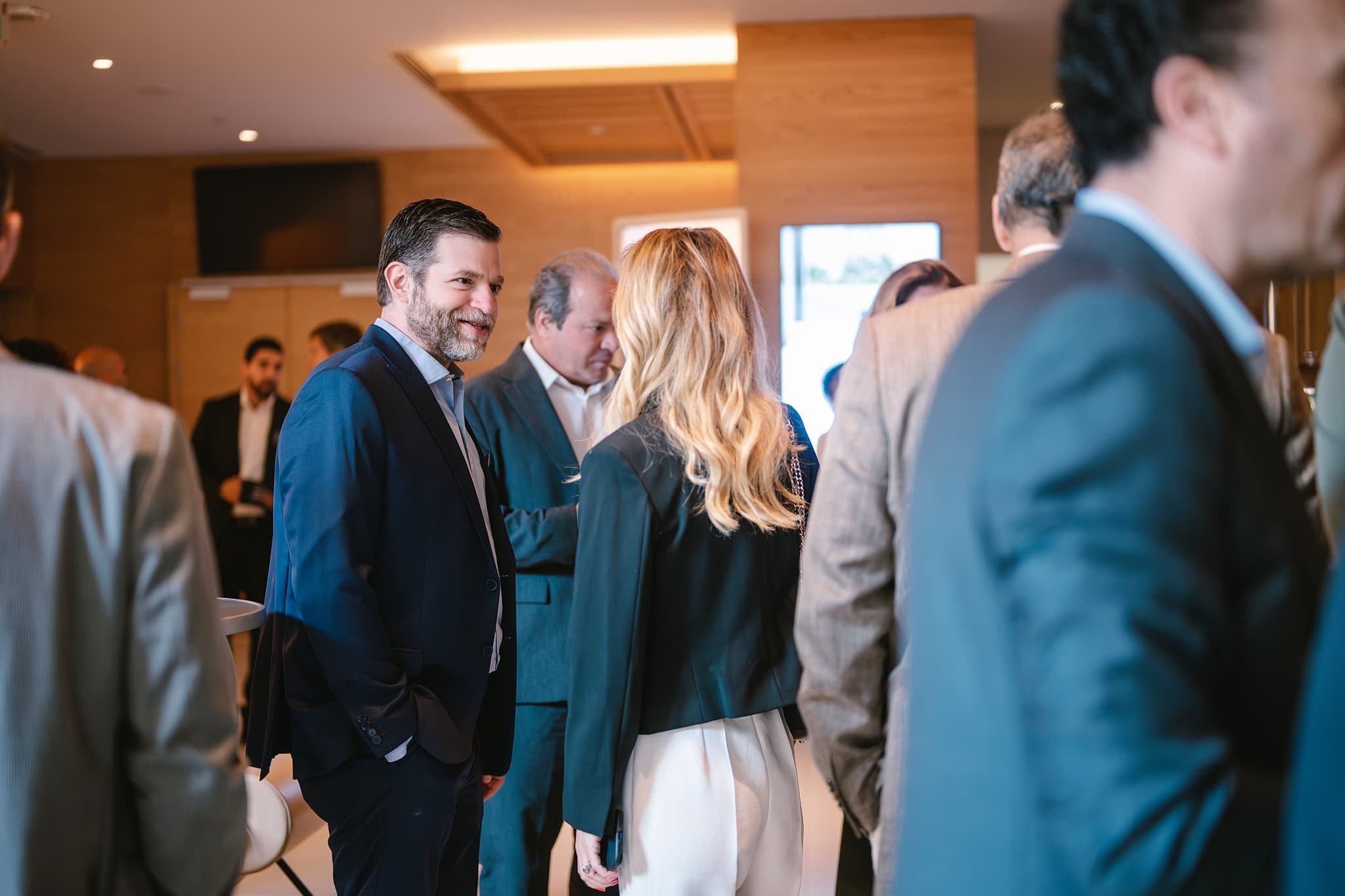
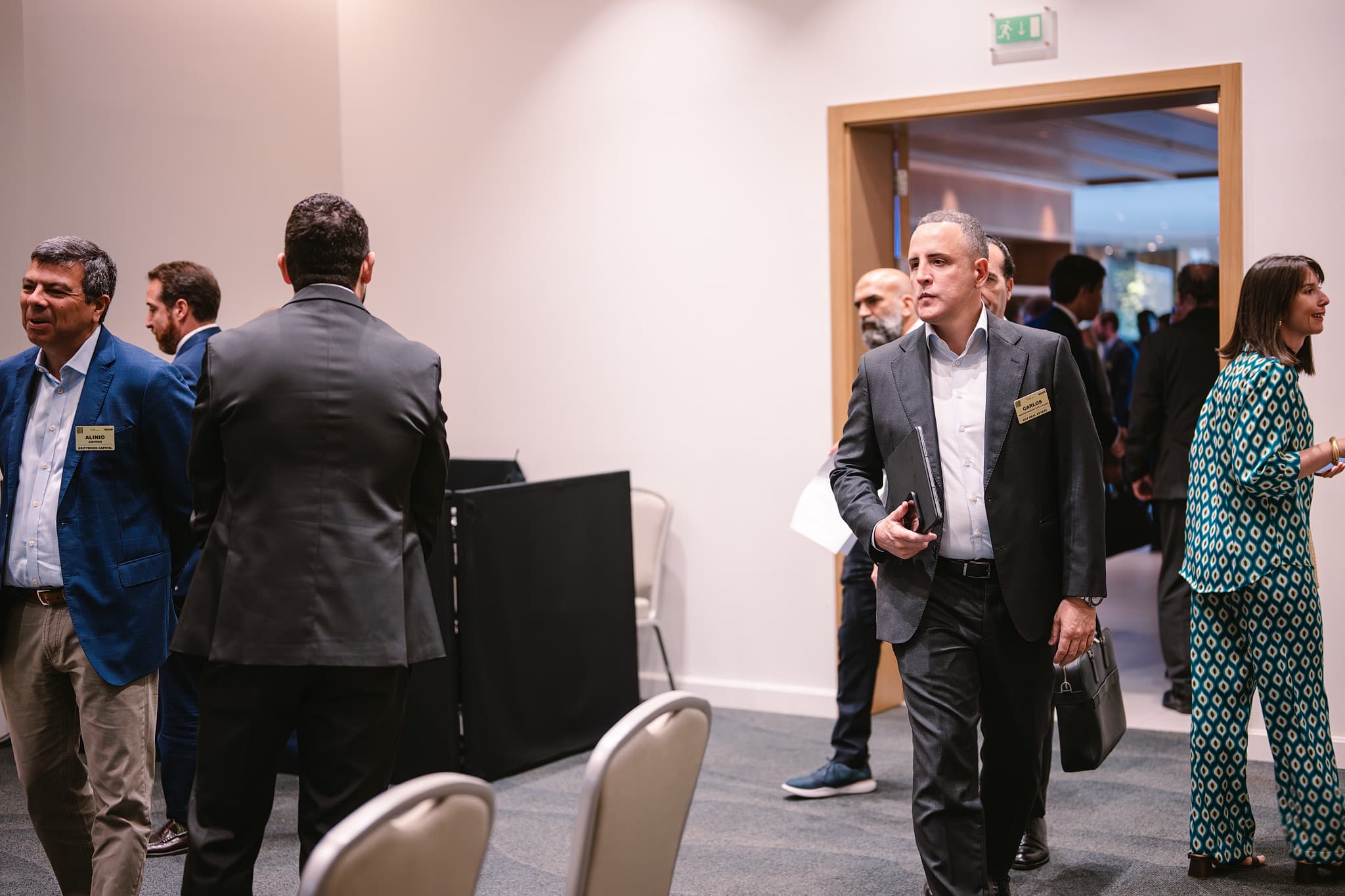
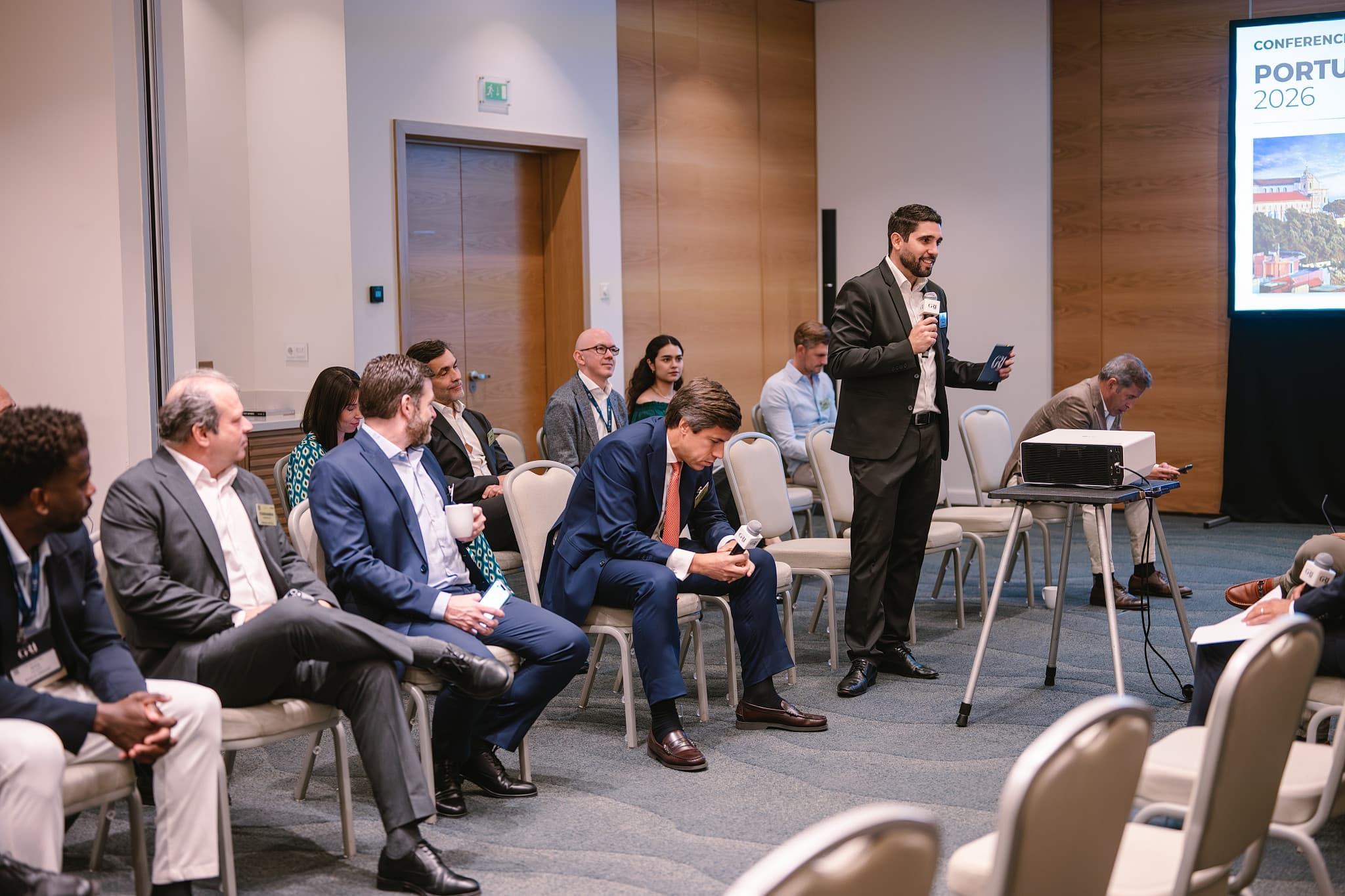
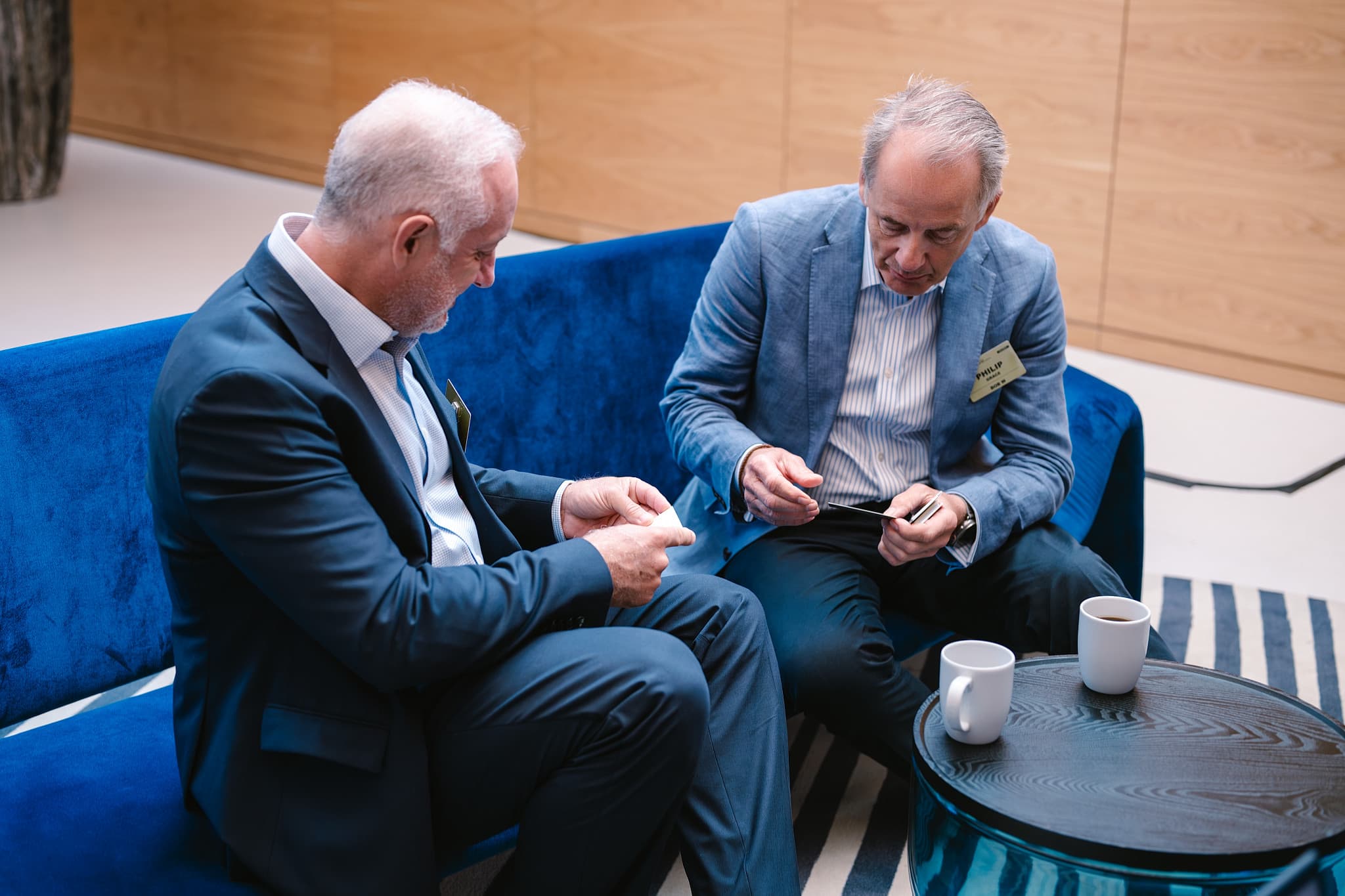
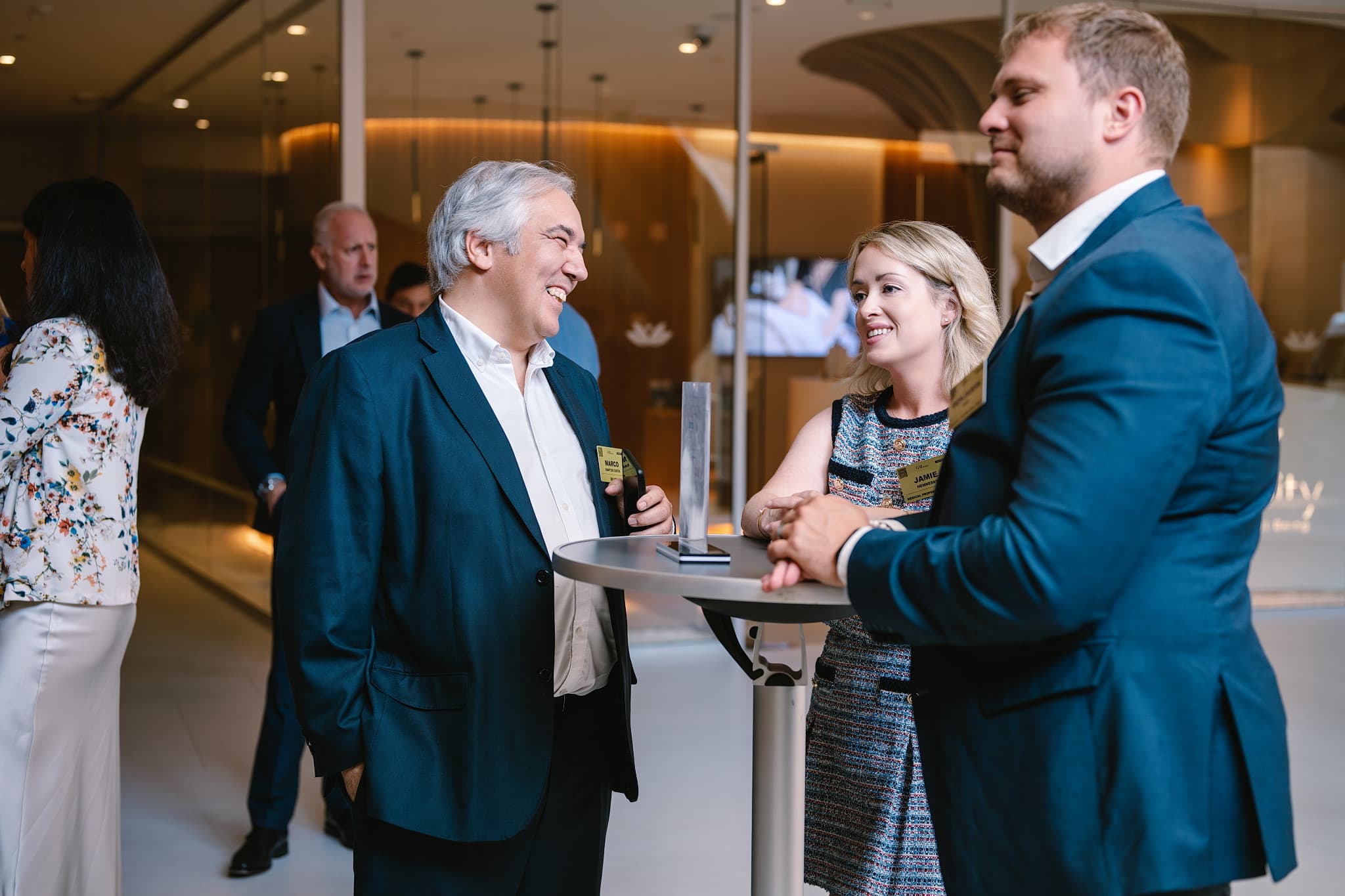
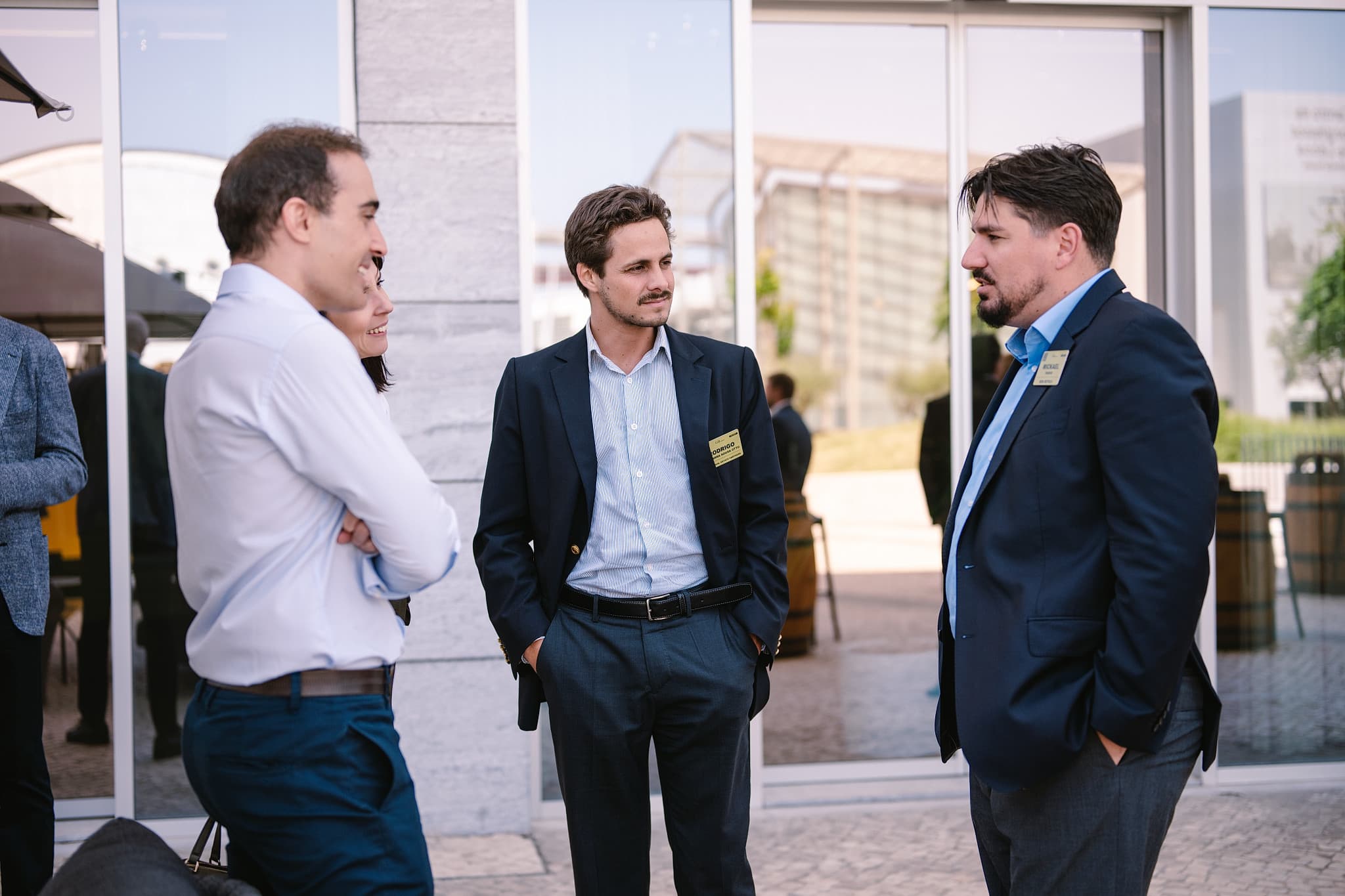
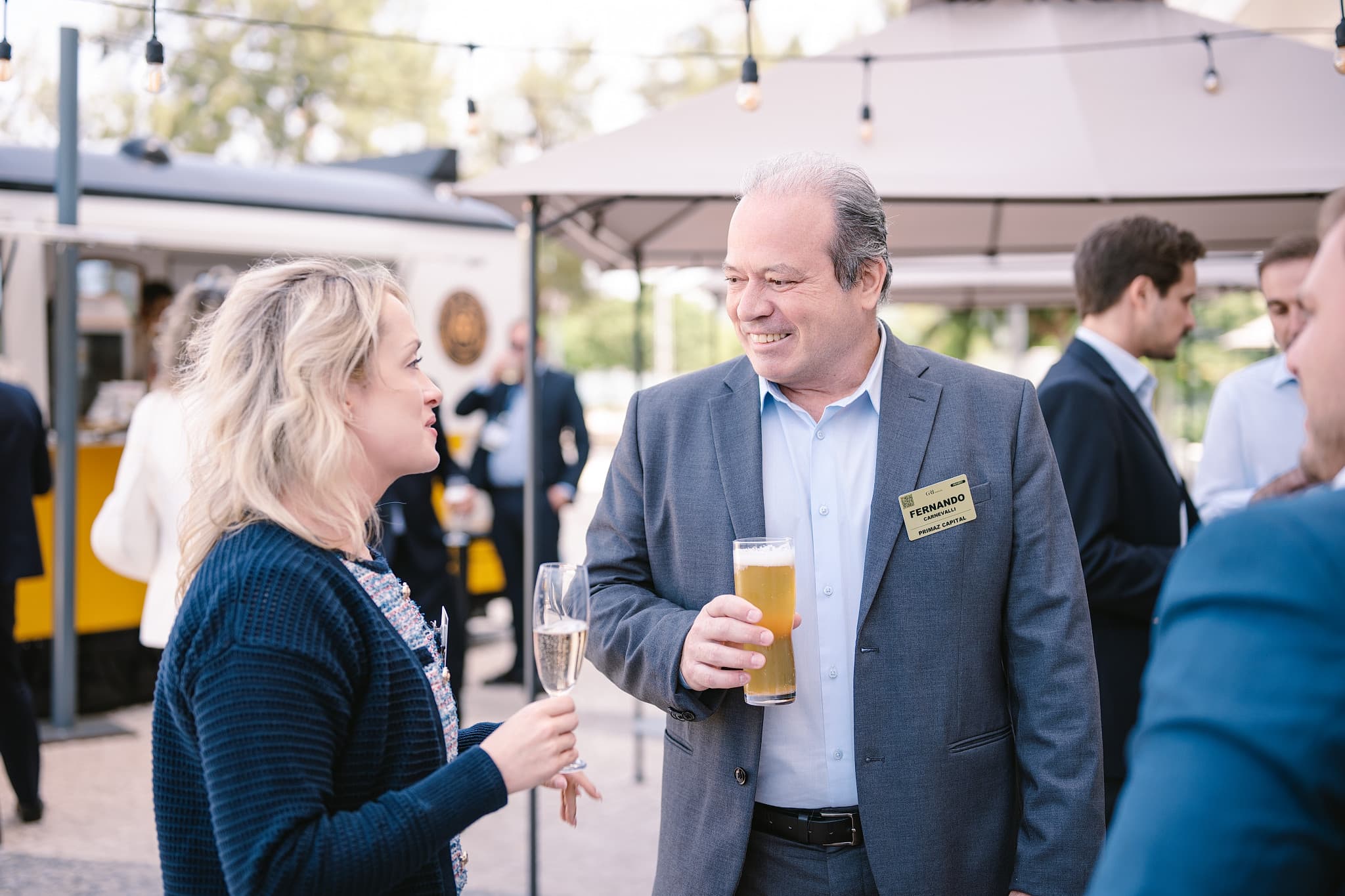
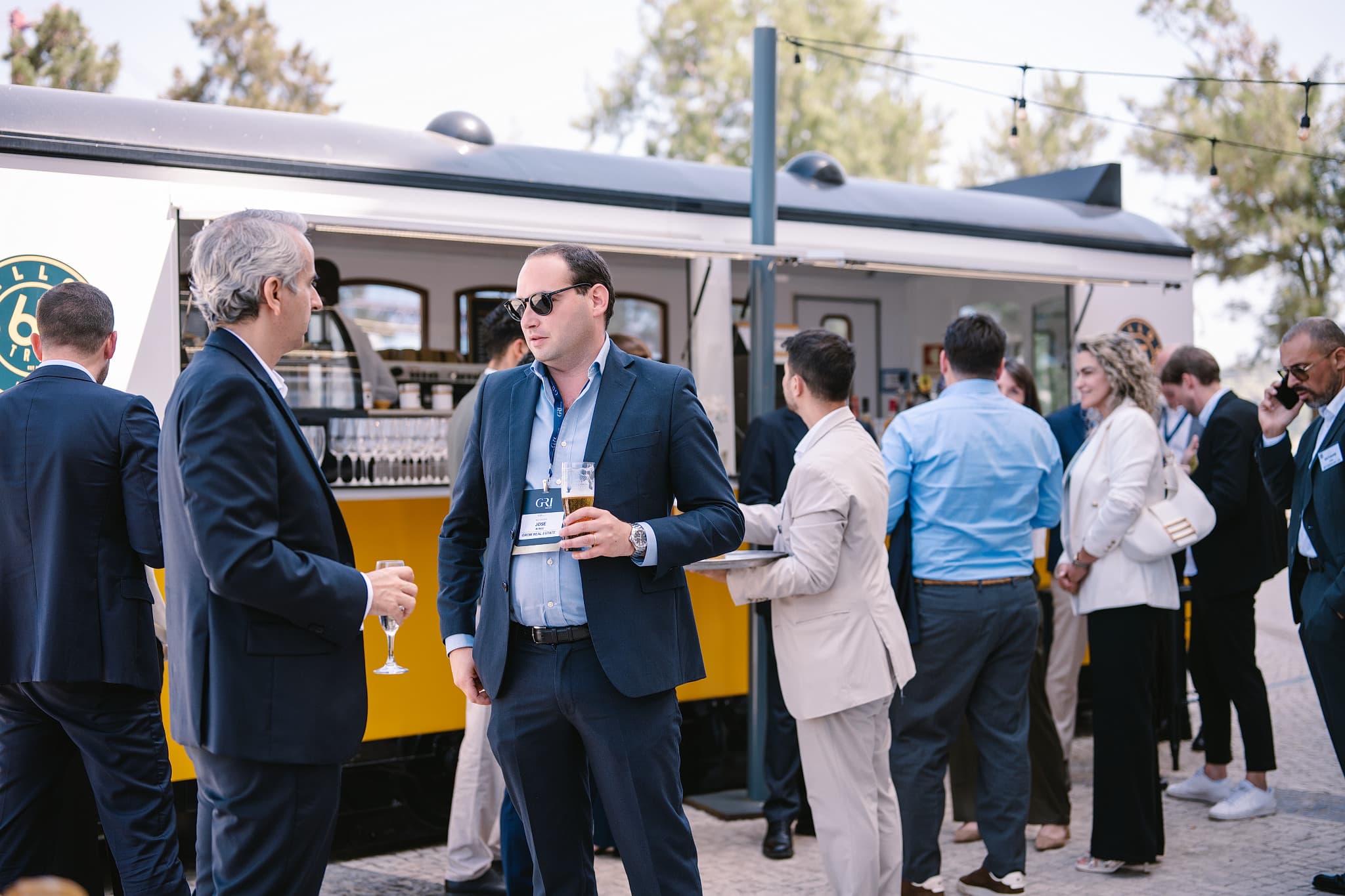
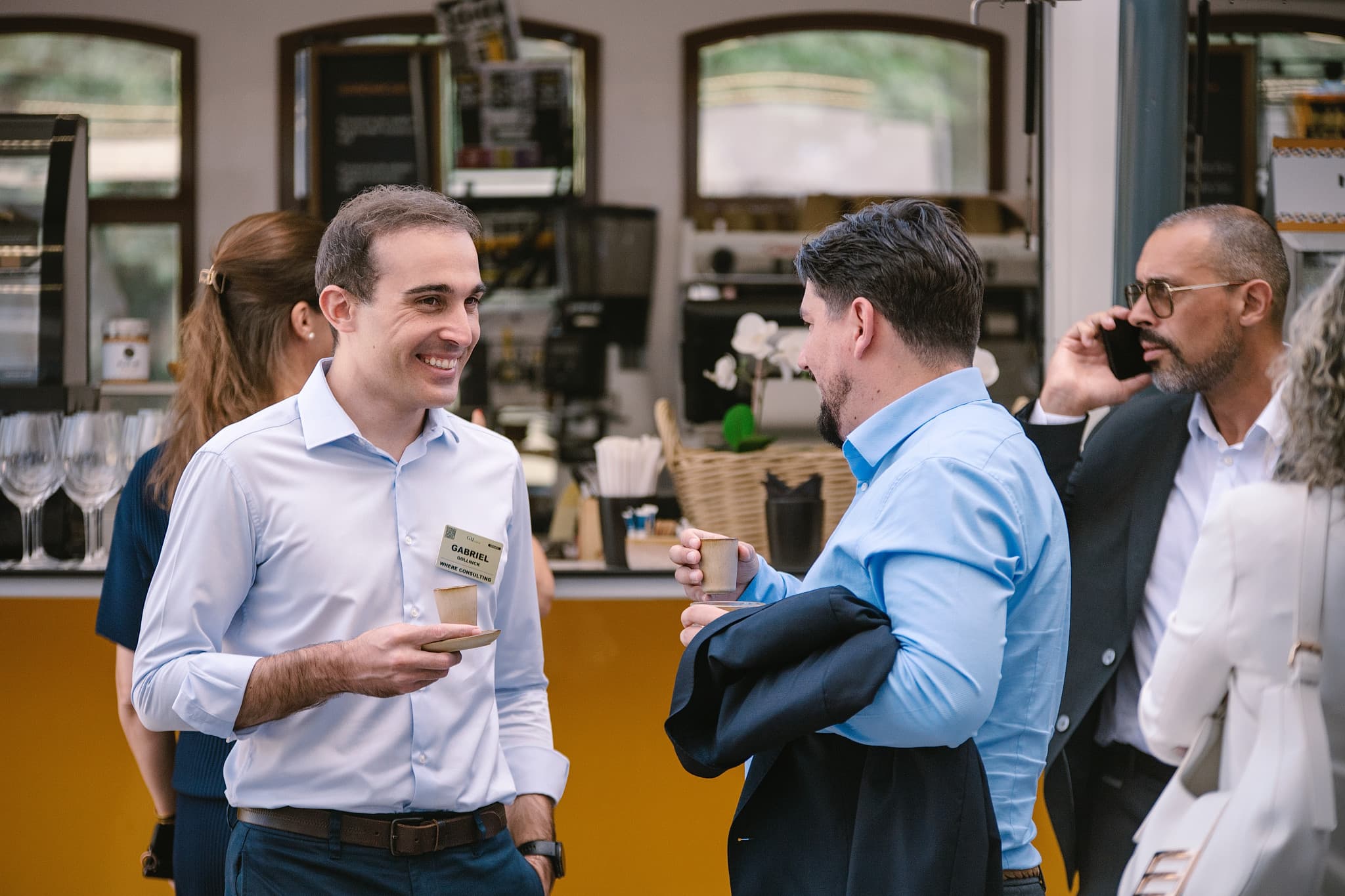
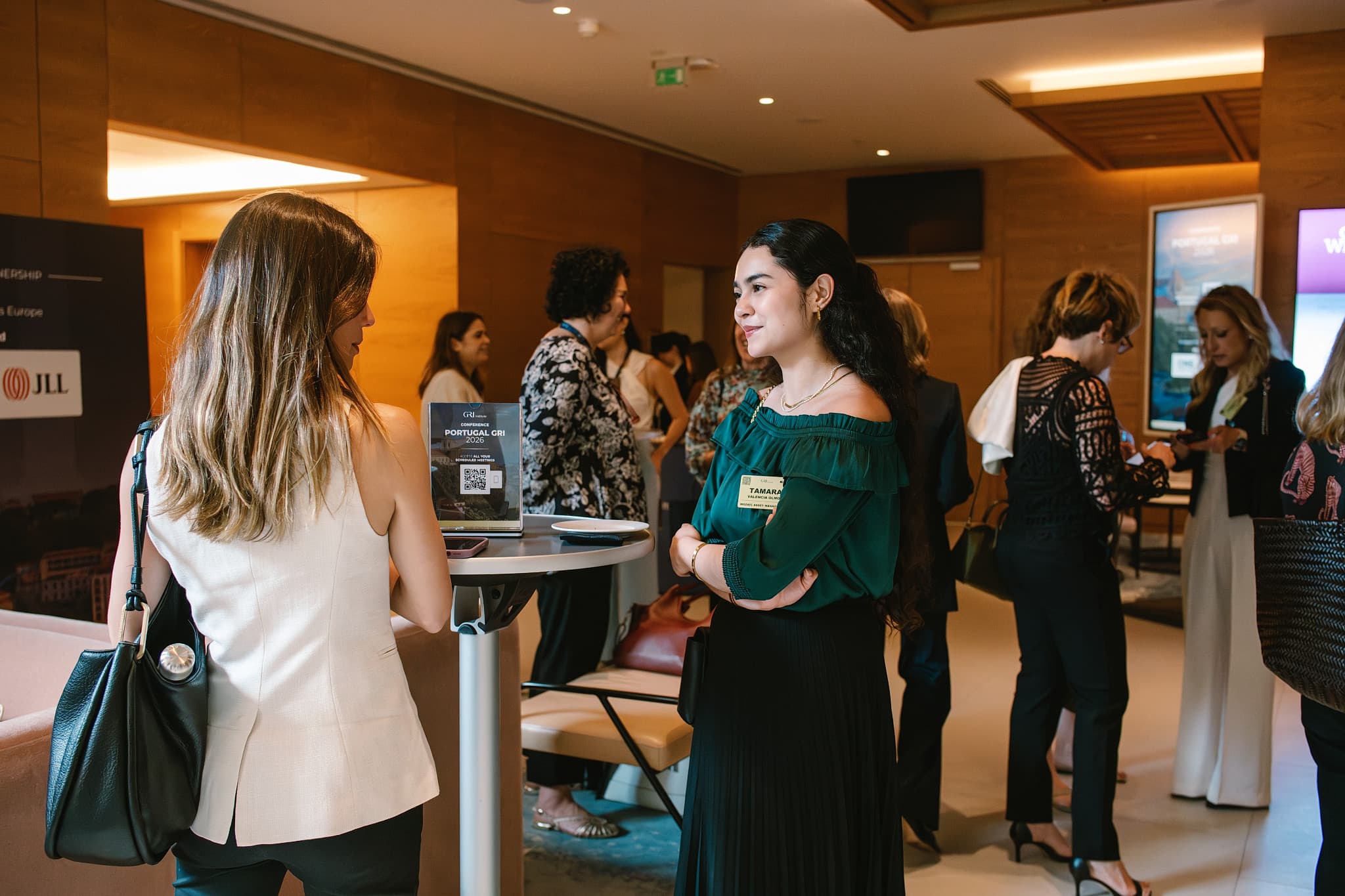
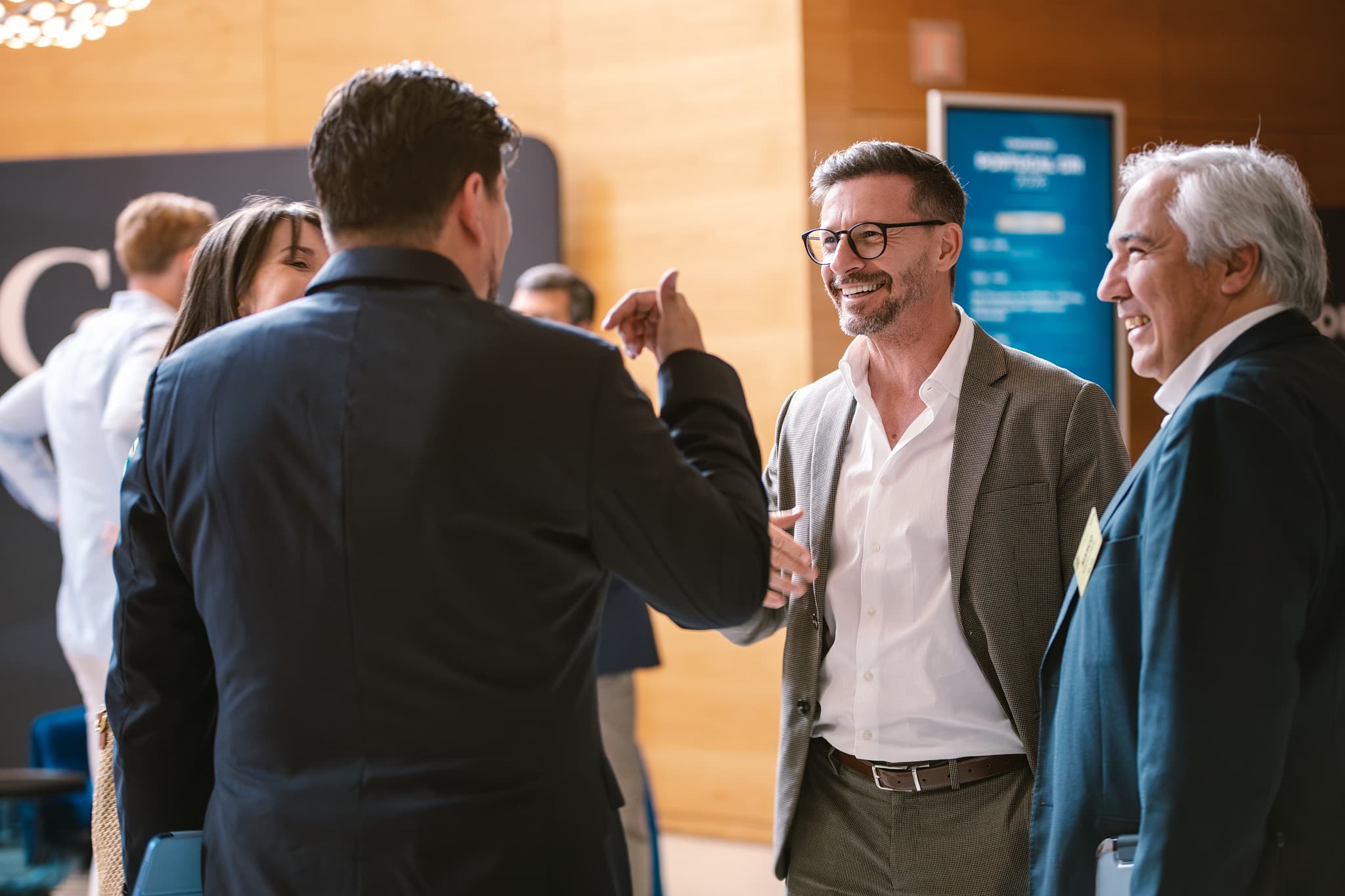
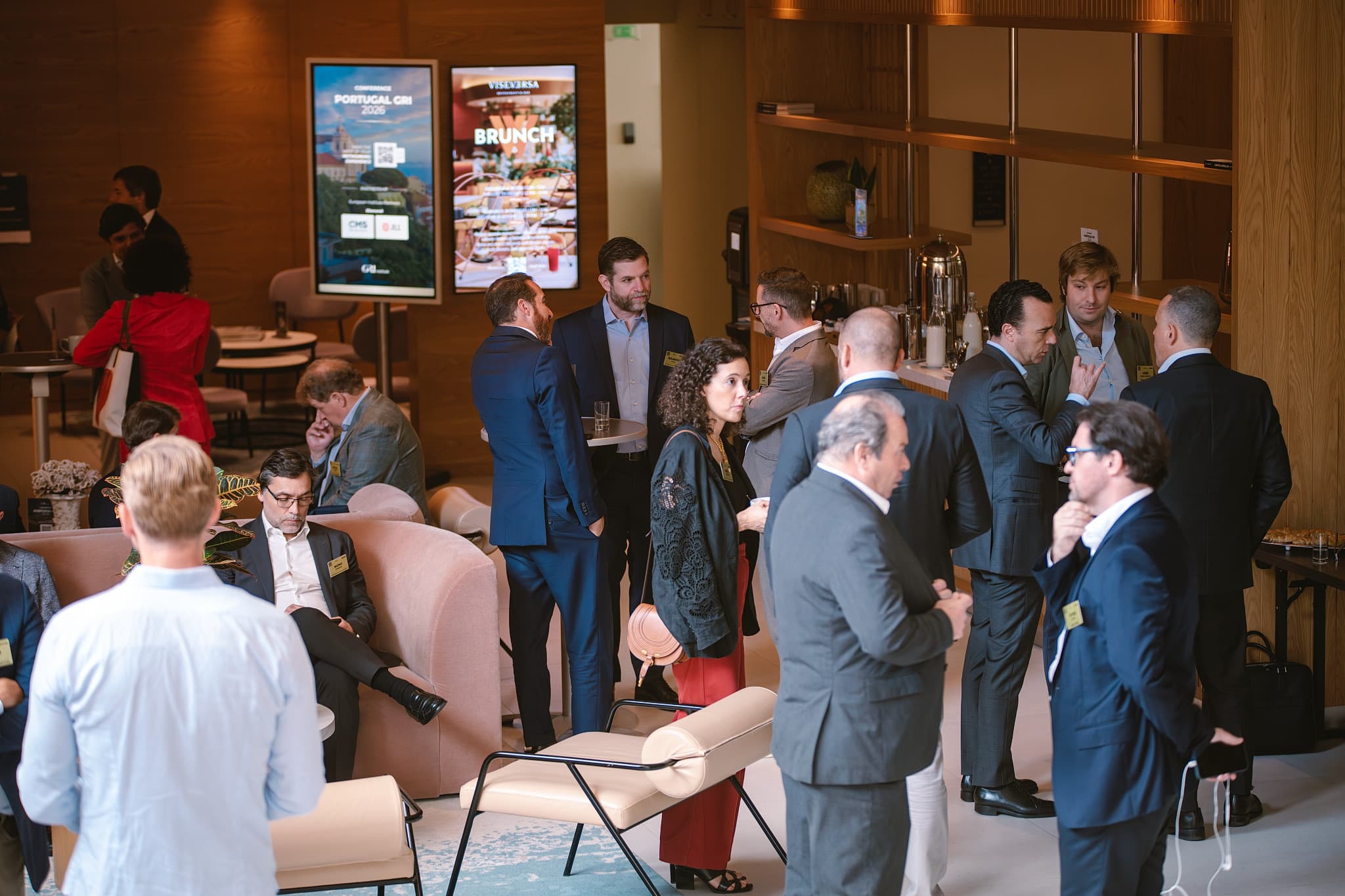
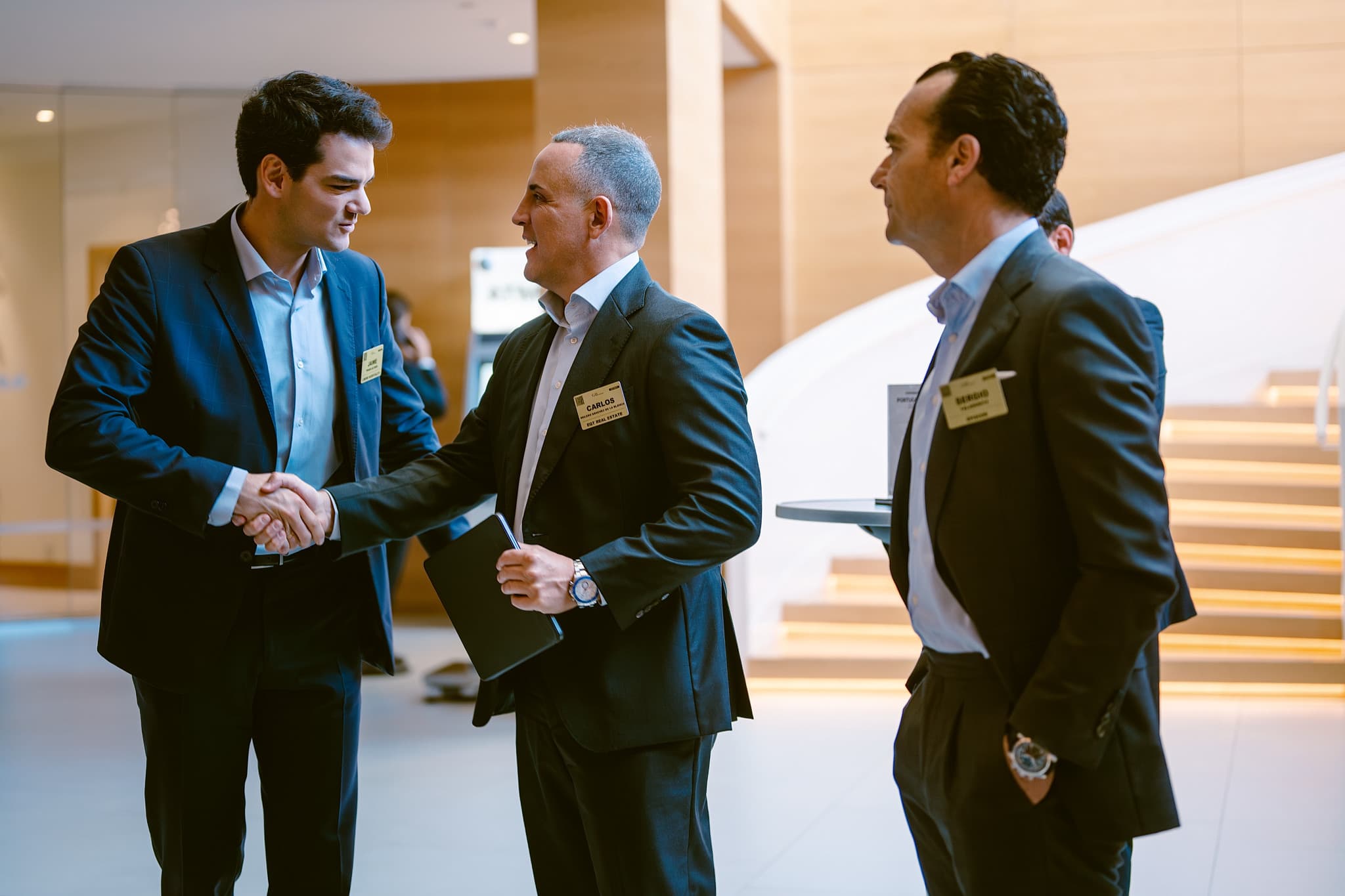
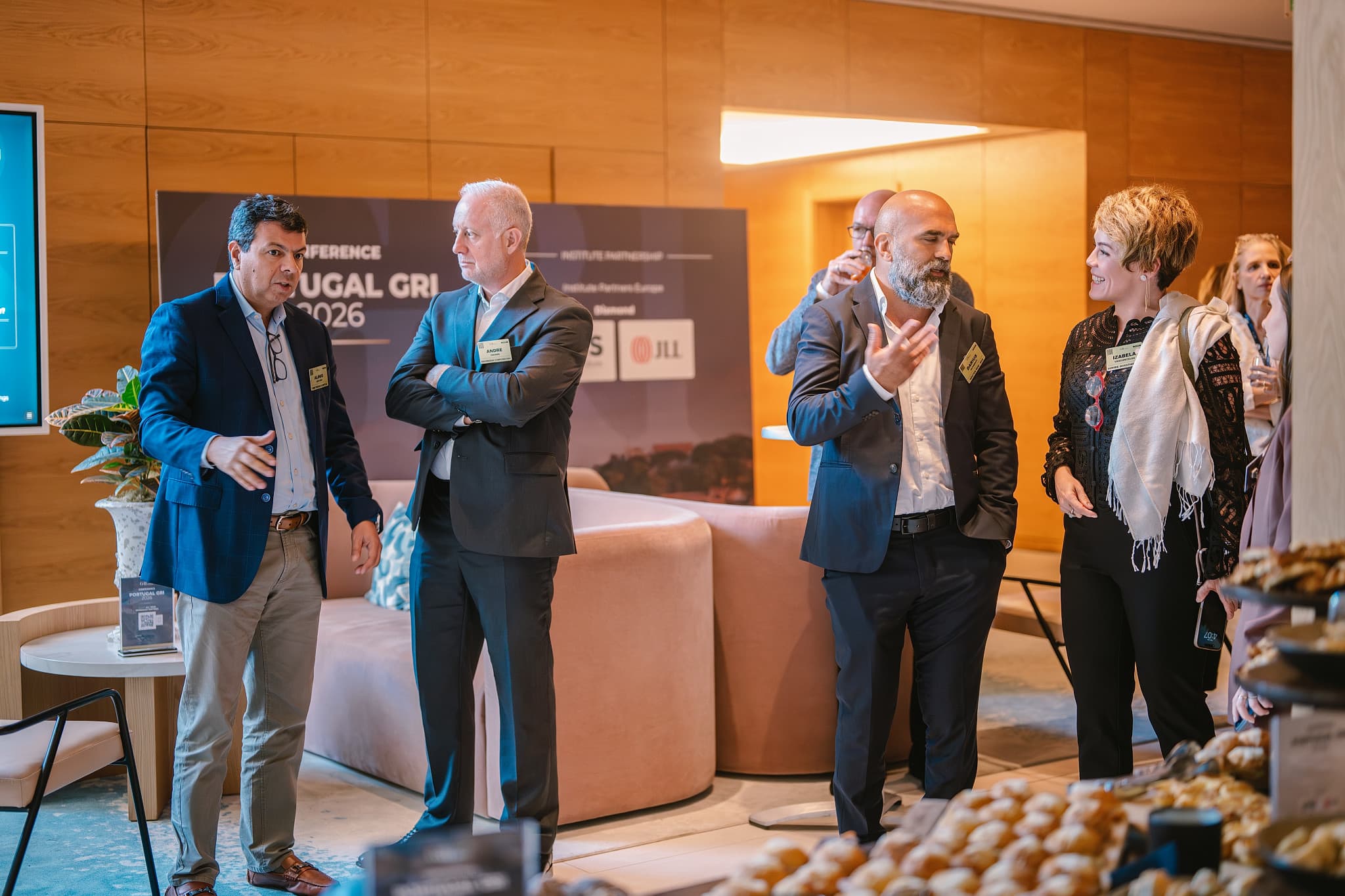
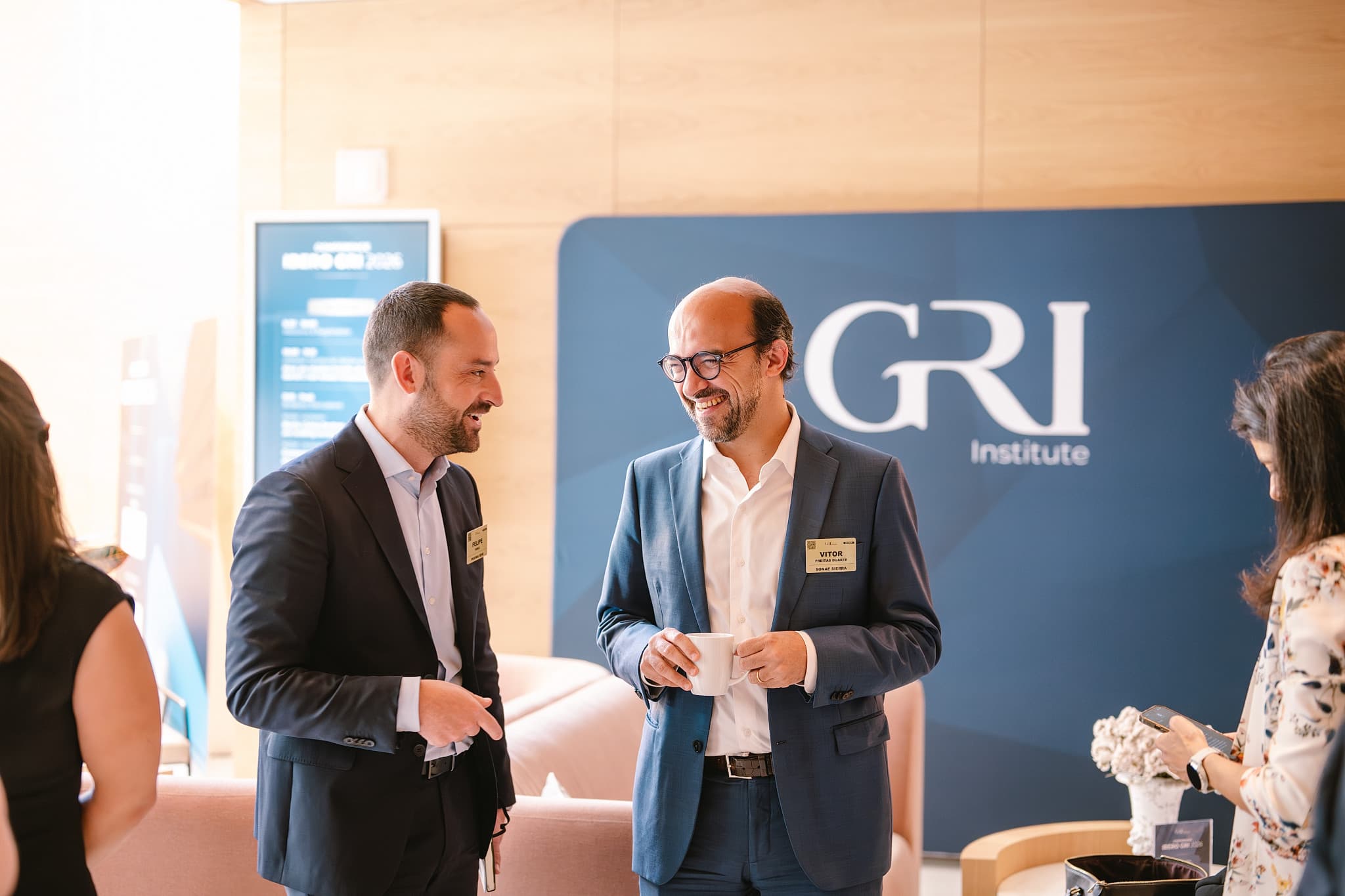
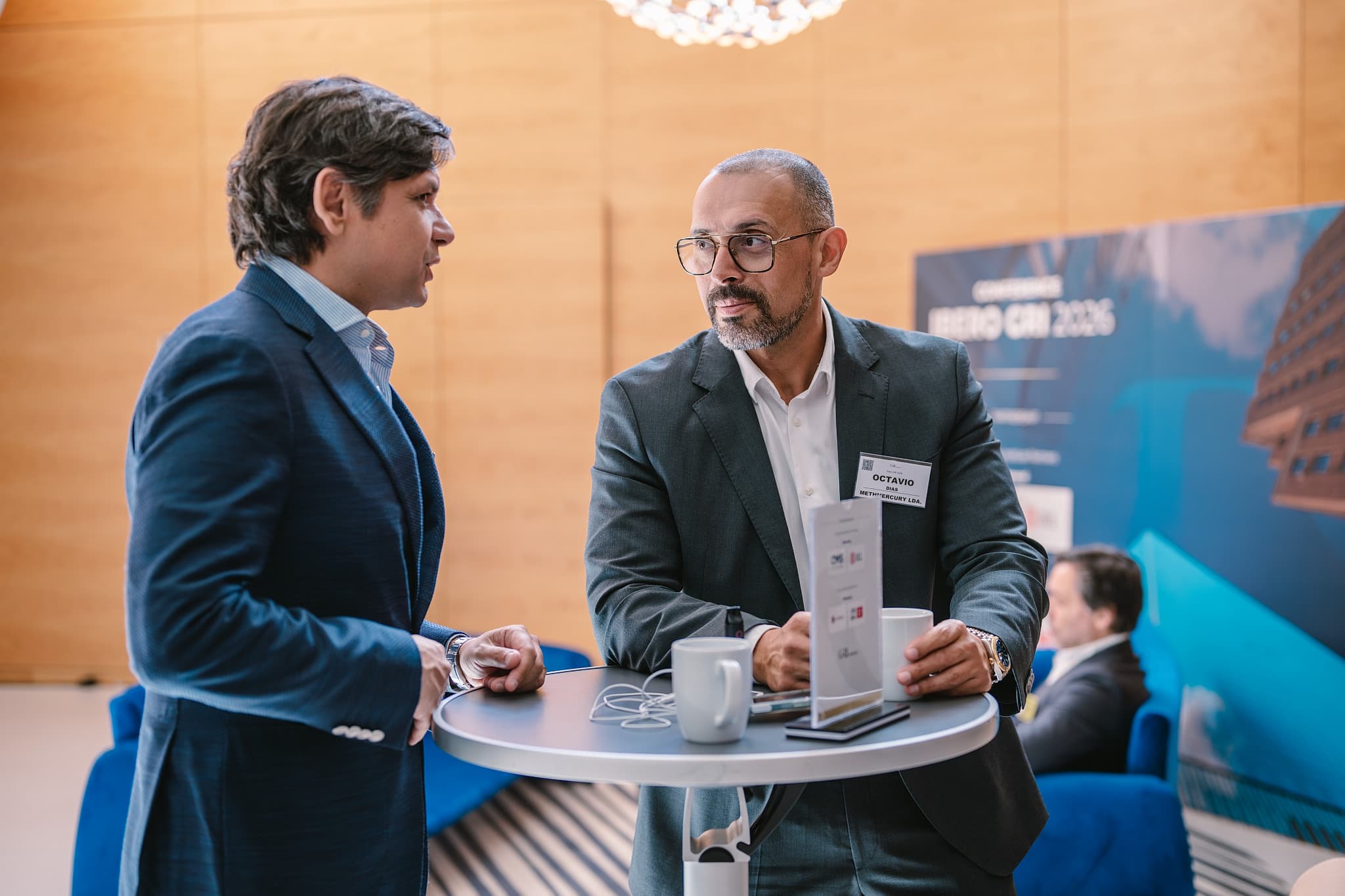
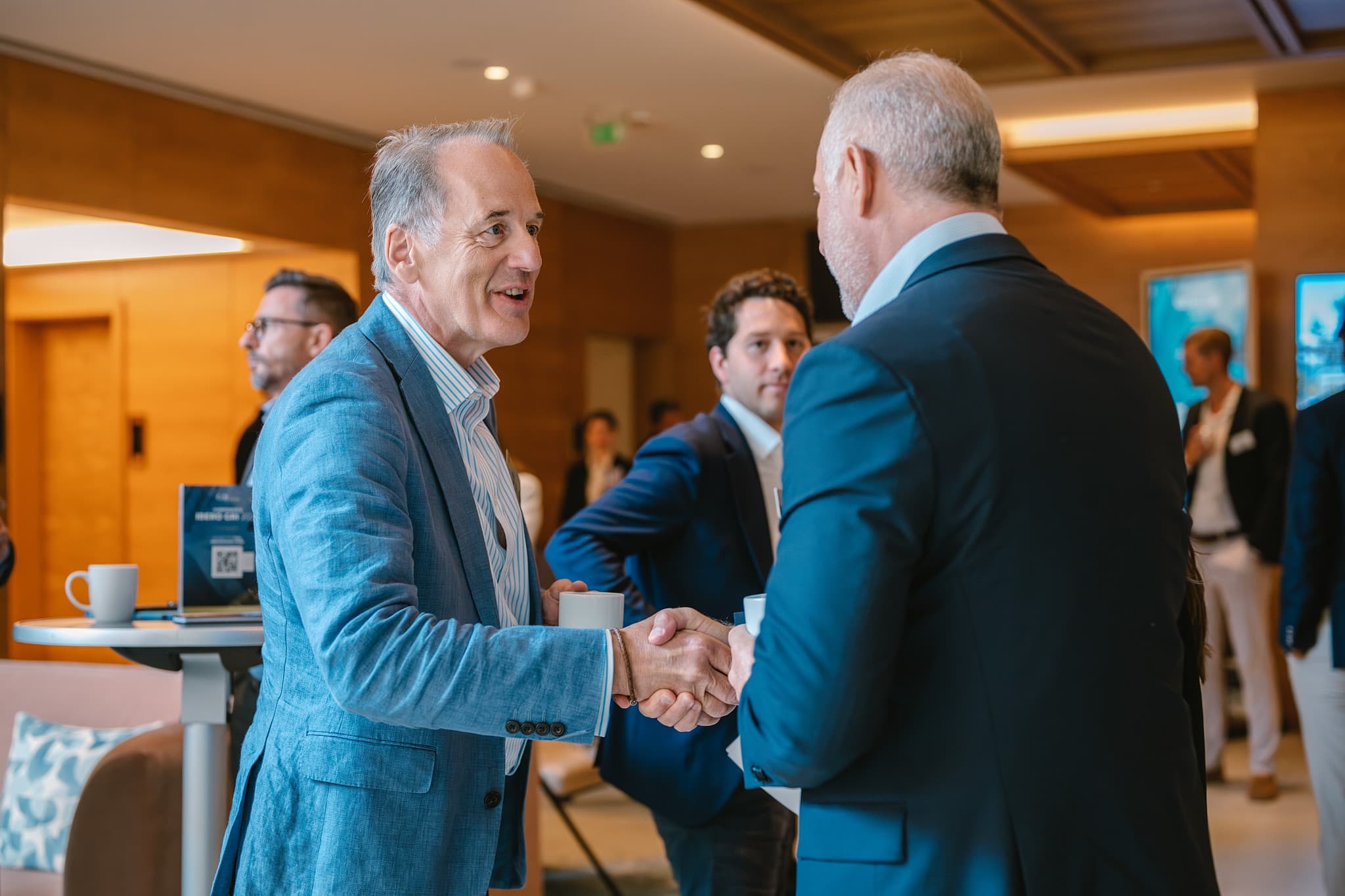
Networking was equally important. During breaks, participants introduced themselves, exchanged contact details and continued conversations from the conference room. These moments could not be recreated later. I had to recognise developing interactions quickly, find a clean angle and make the photograph without interrupting the conversation.
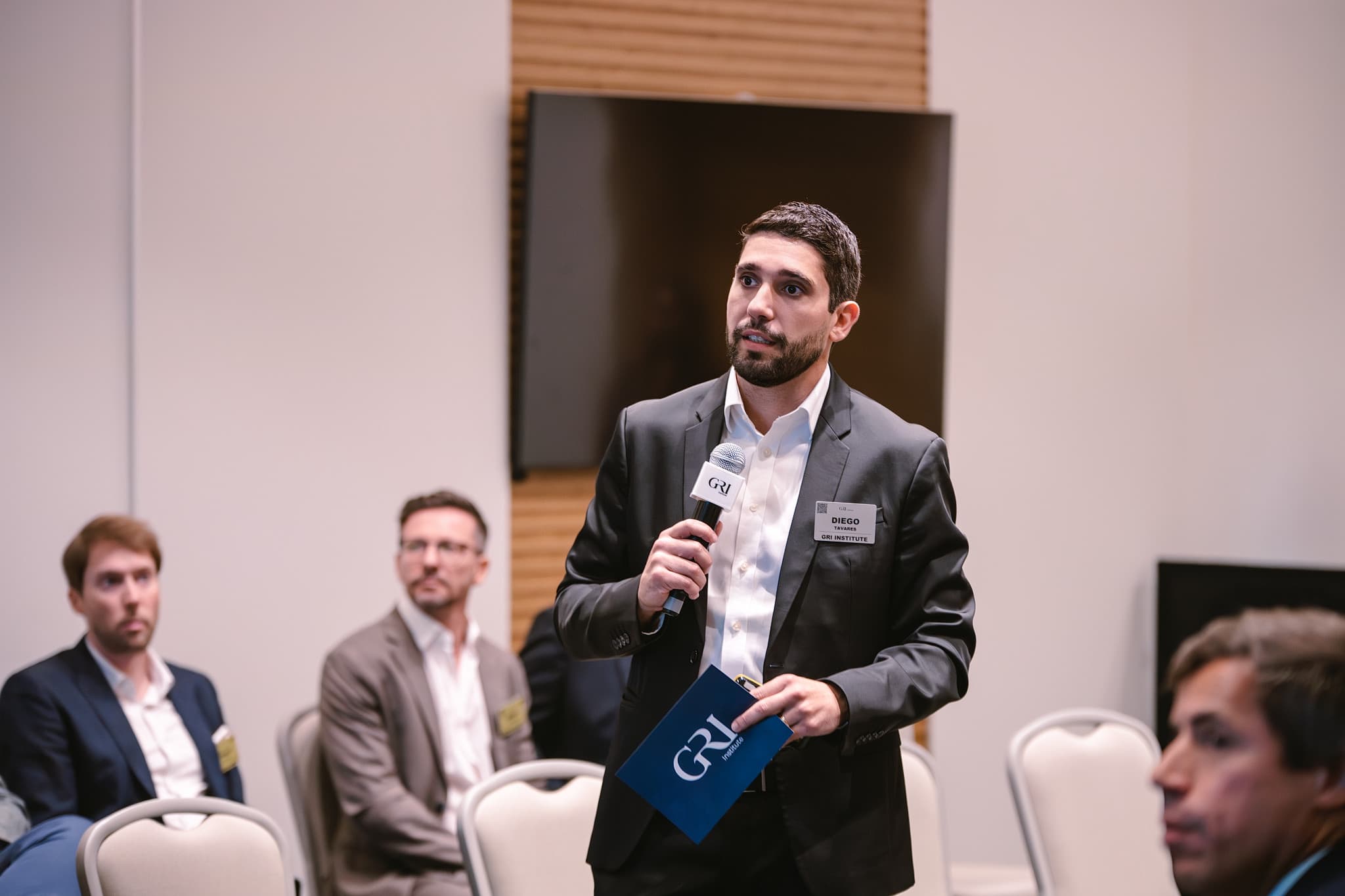
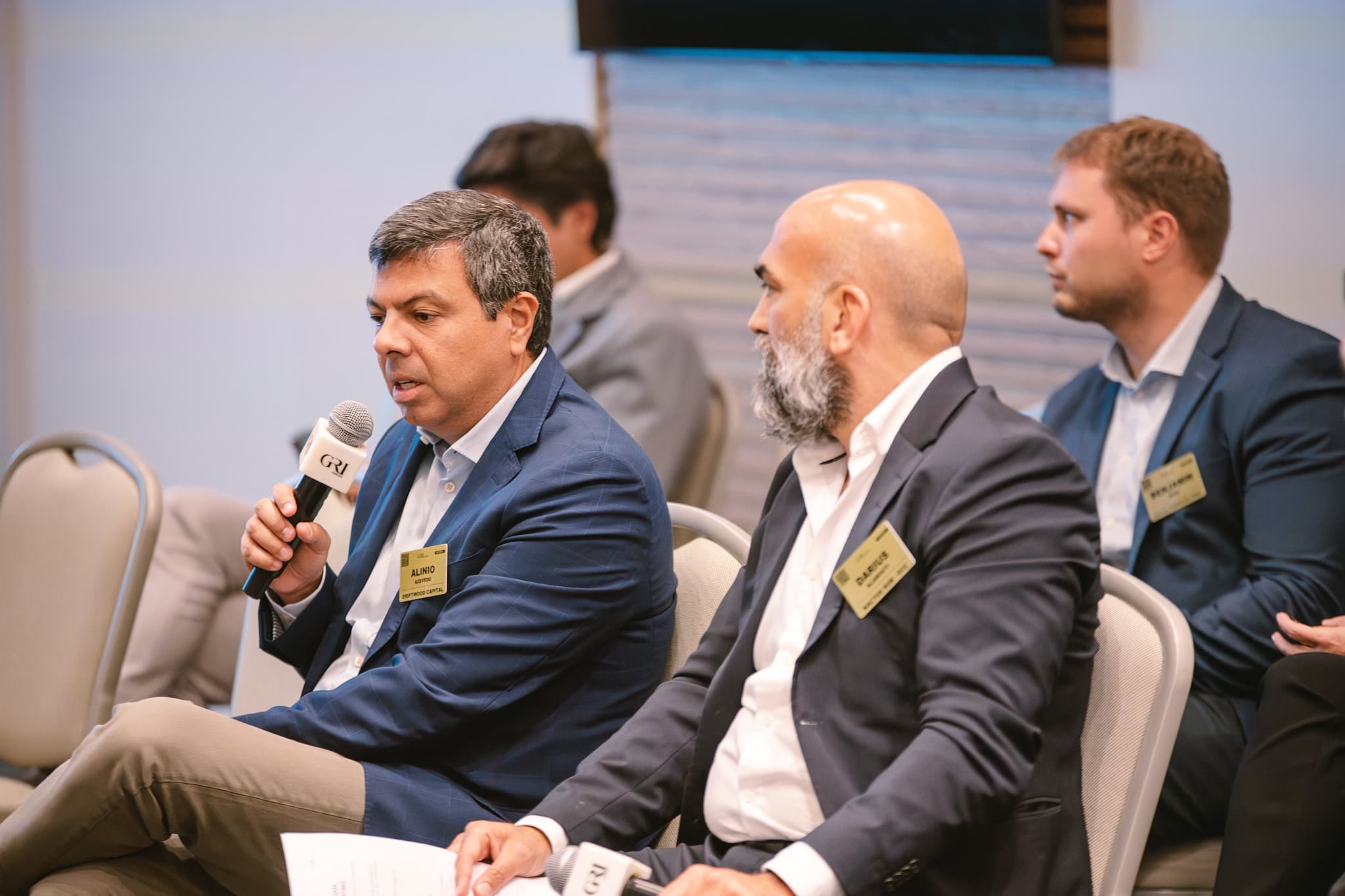
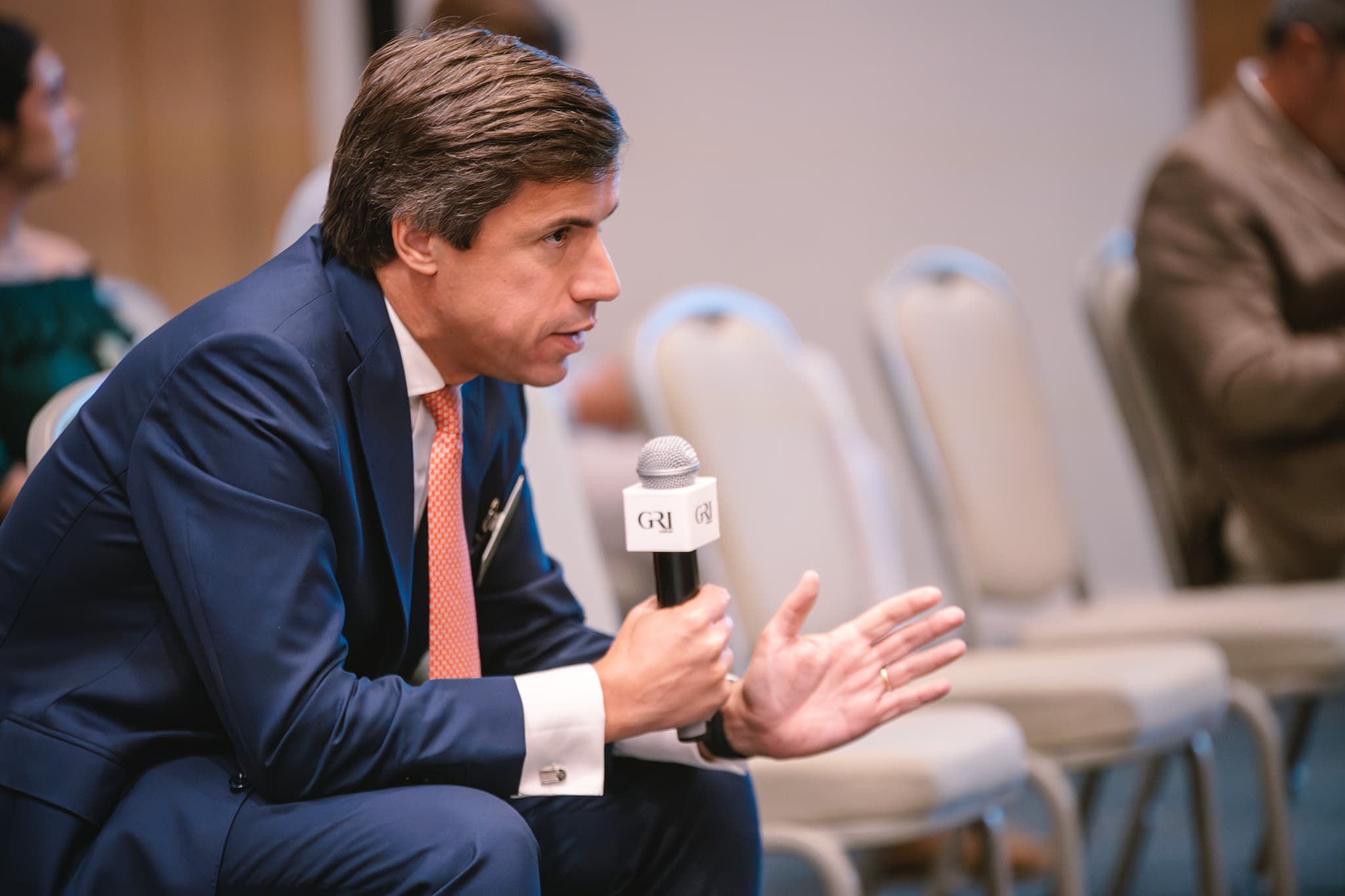
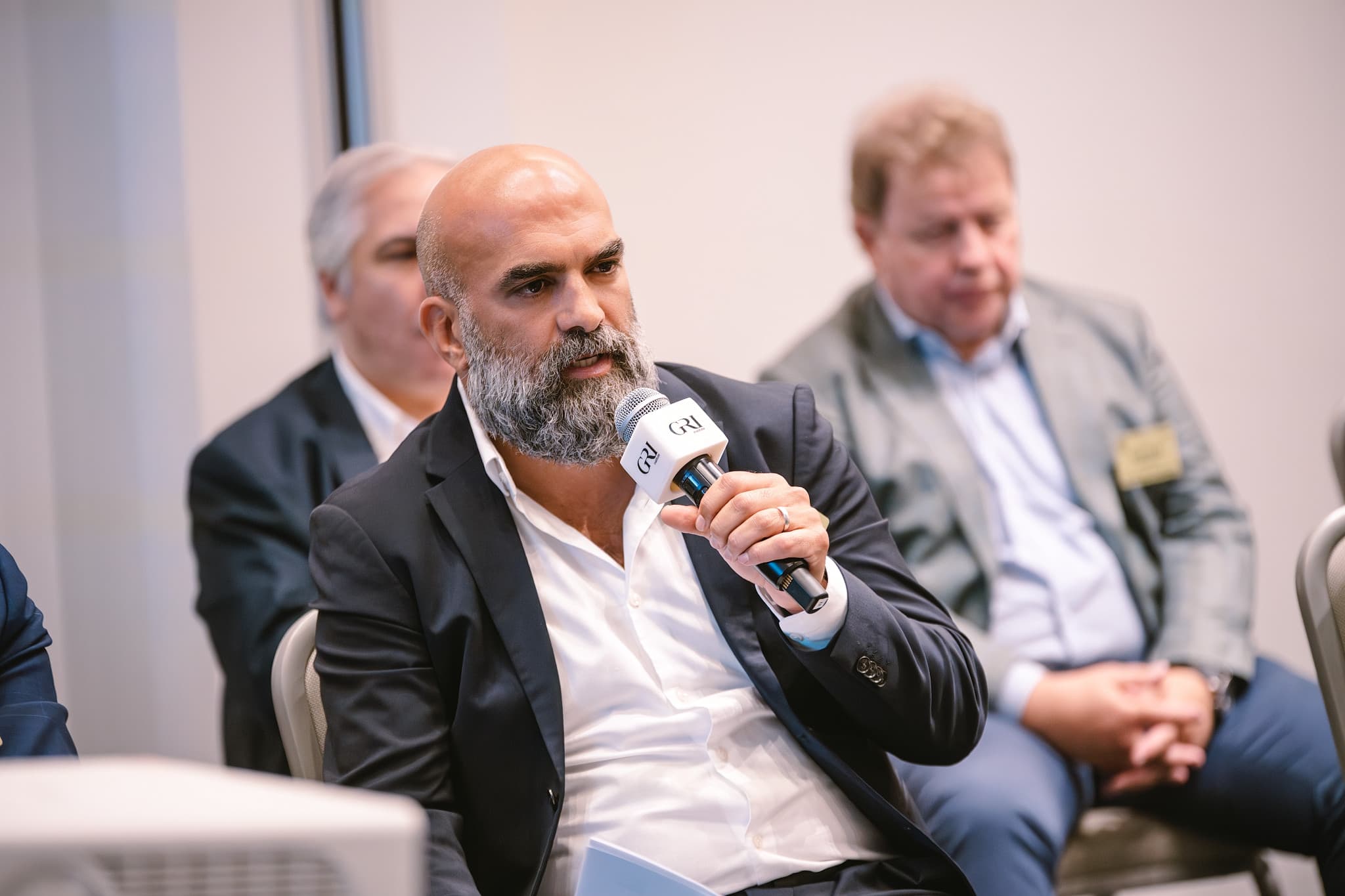
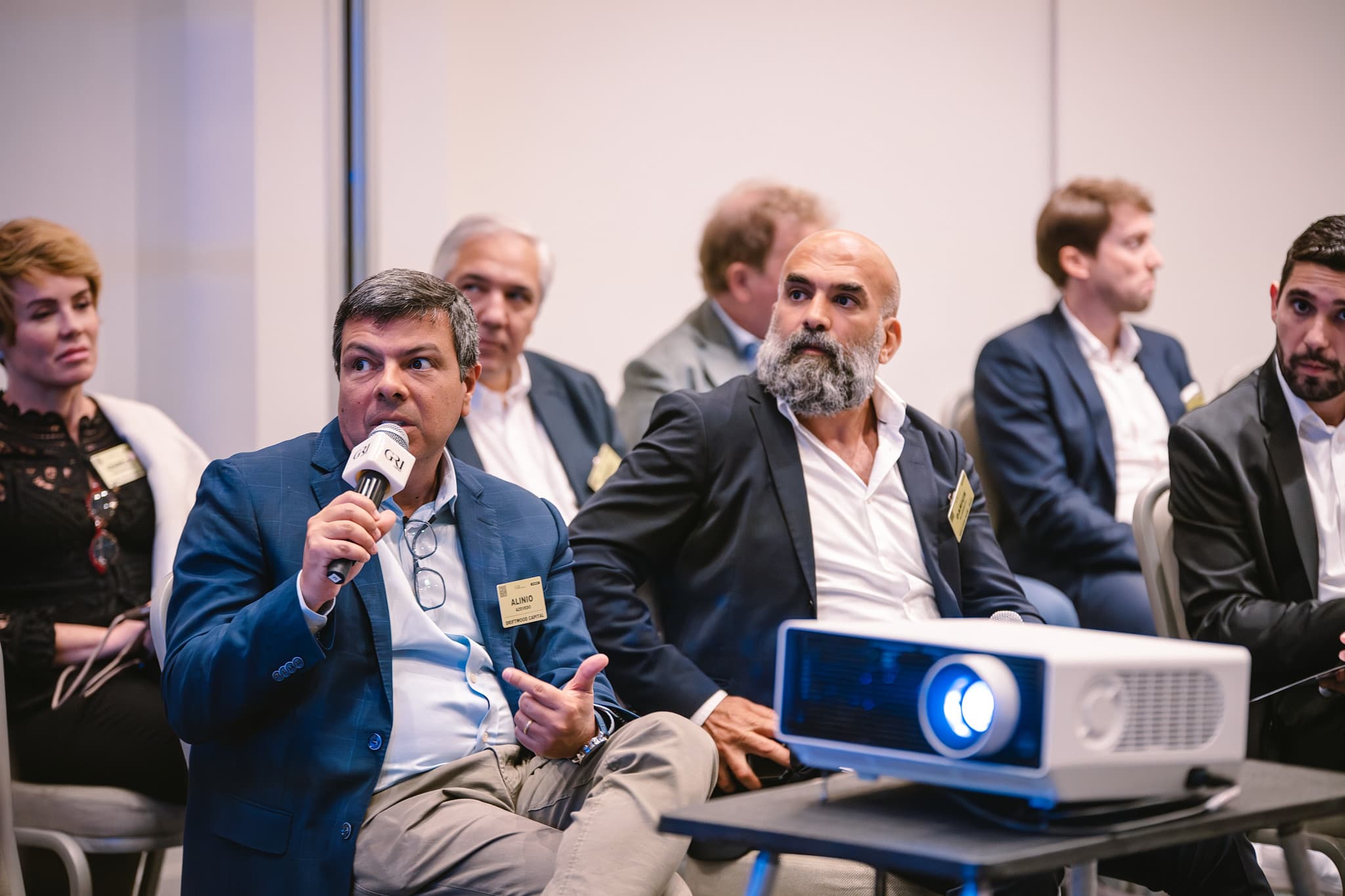
The result was a broader visual record of the event: formal discussions alongside handshakes, introductions, shared reactions and focused one-to-one communication. Together, these photographs show the professional value of meeting in person rather than presenting the conference as a sequence of speeches.
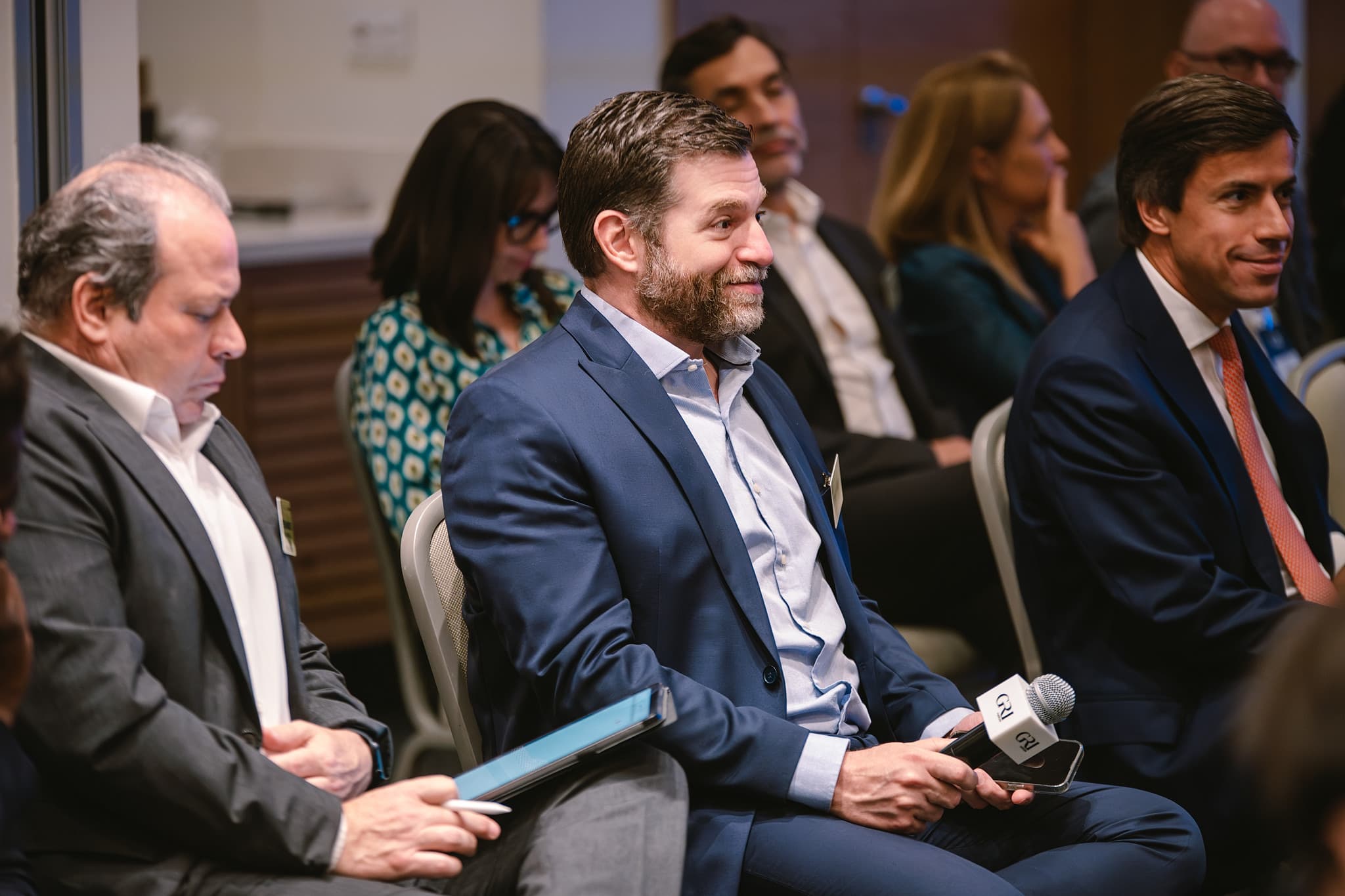
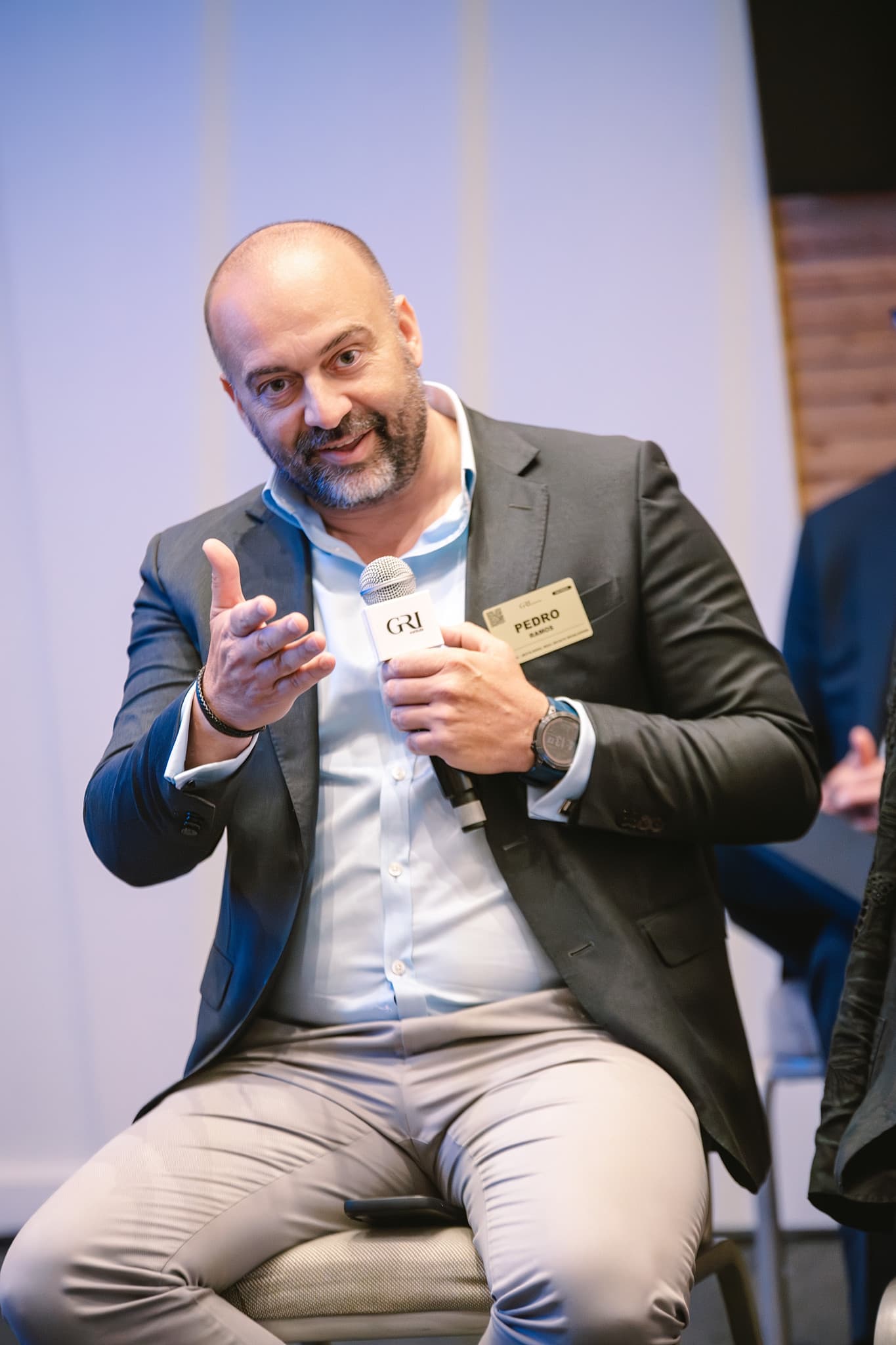
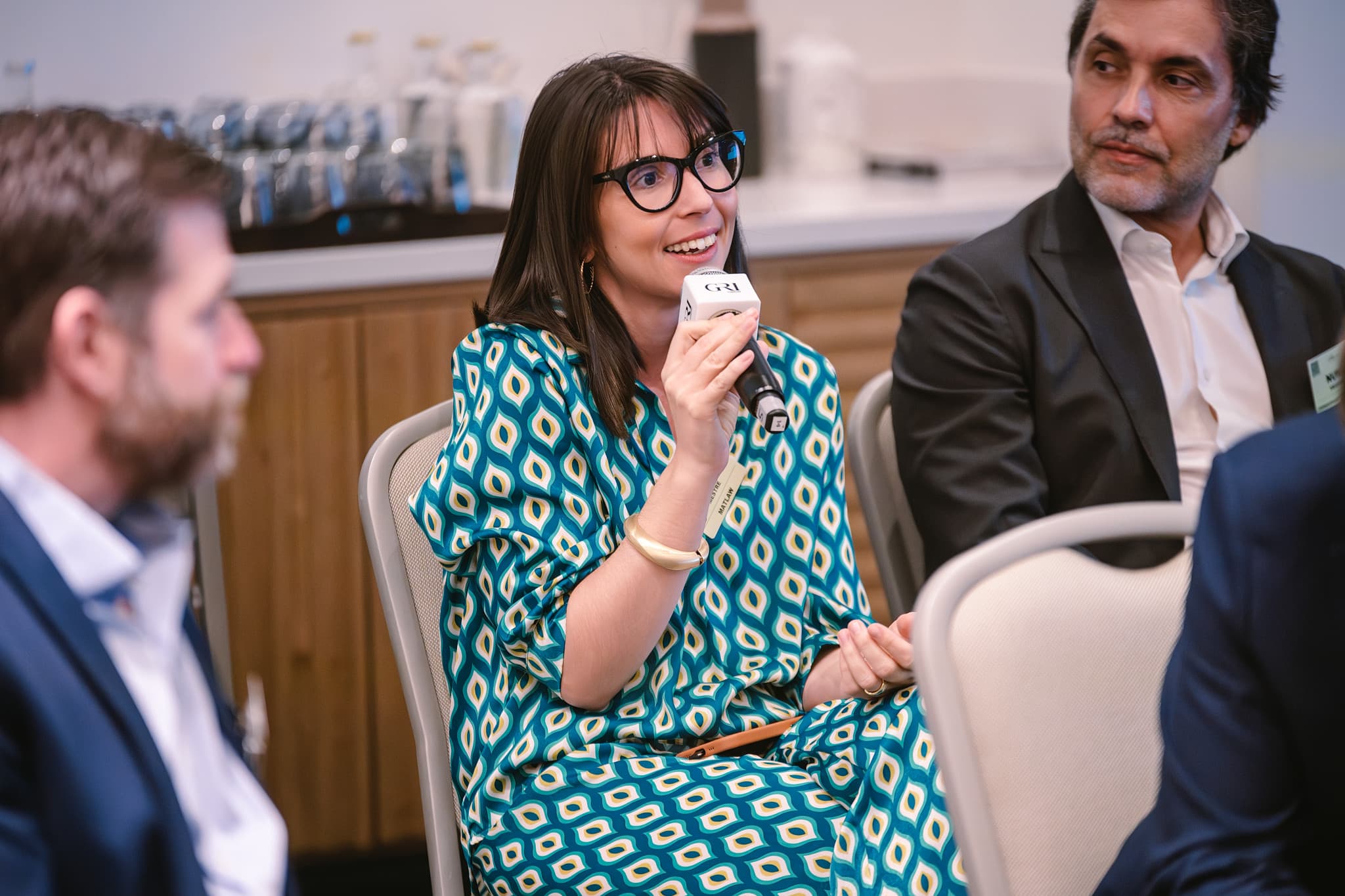
A Natural and Unobtrusive Photography Approach
My approach to business event photography is natural and unobtrusive. During discussions, I move quietly and avoid drawing attention away from speakers or participants. The objective is to photograph real communication while allowing the event to continue normally.
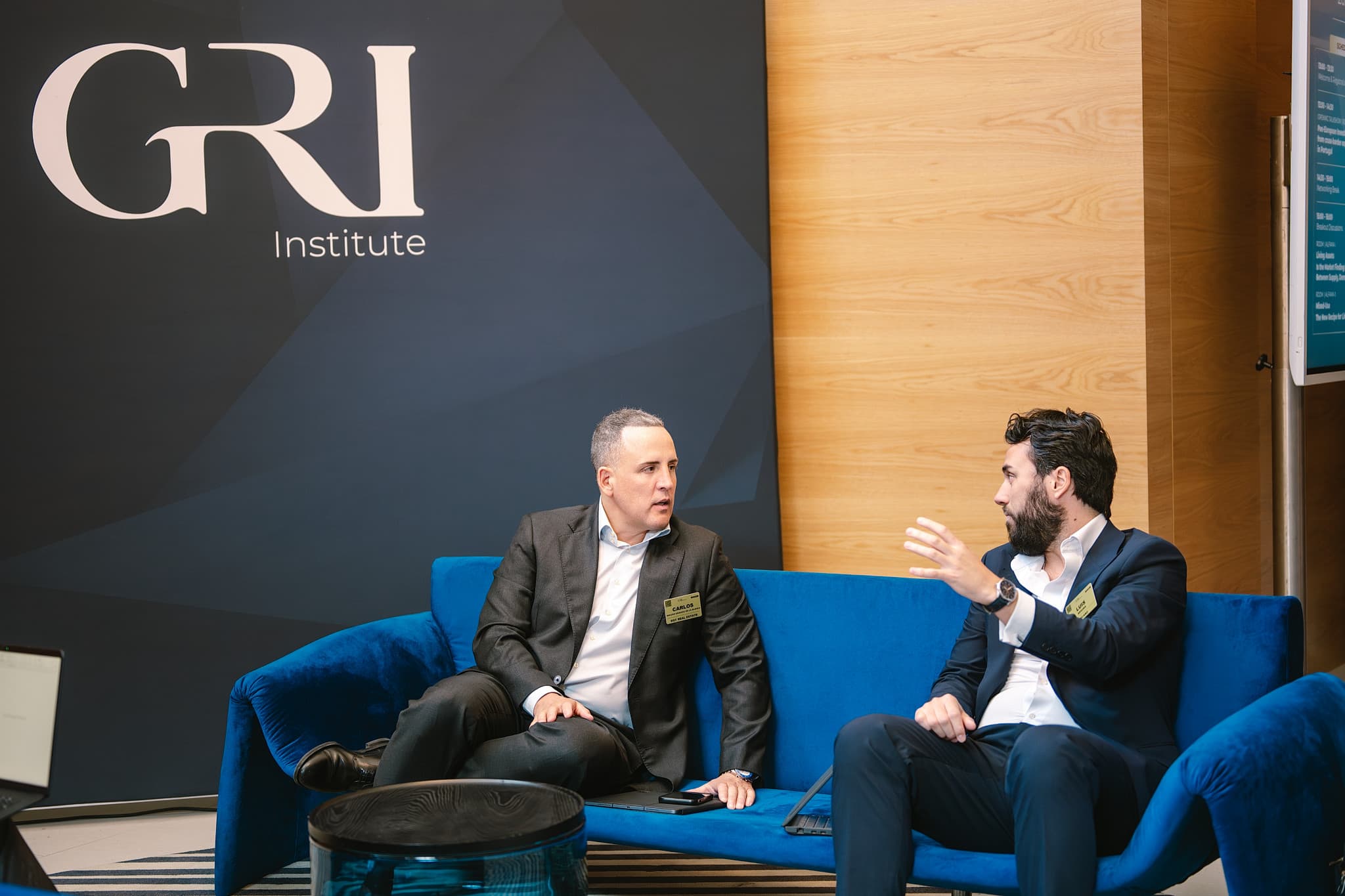
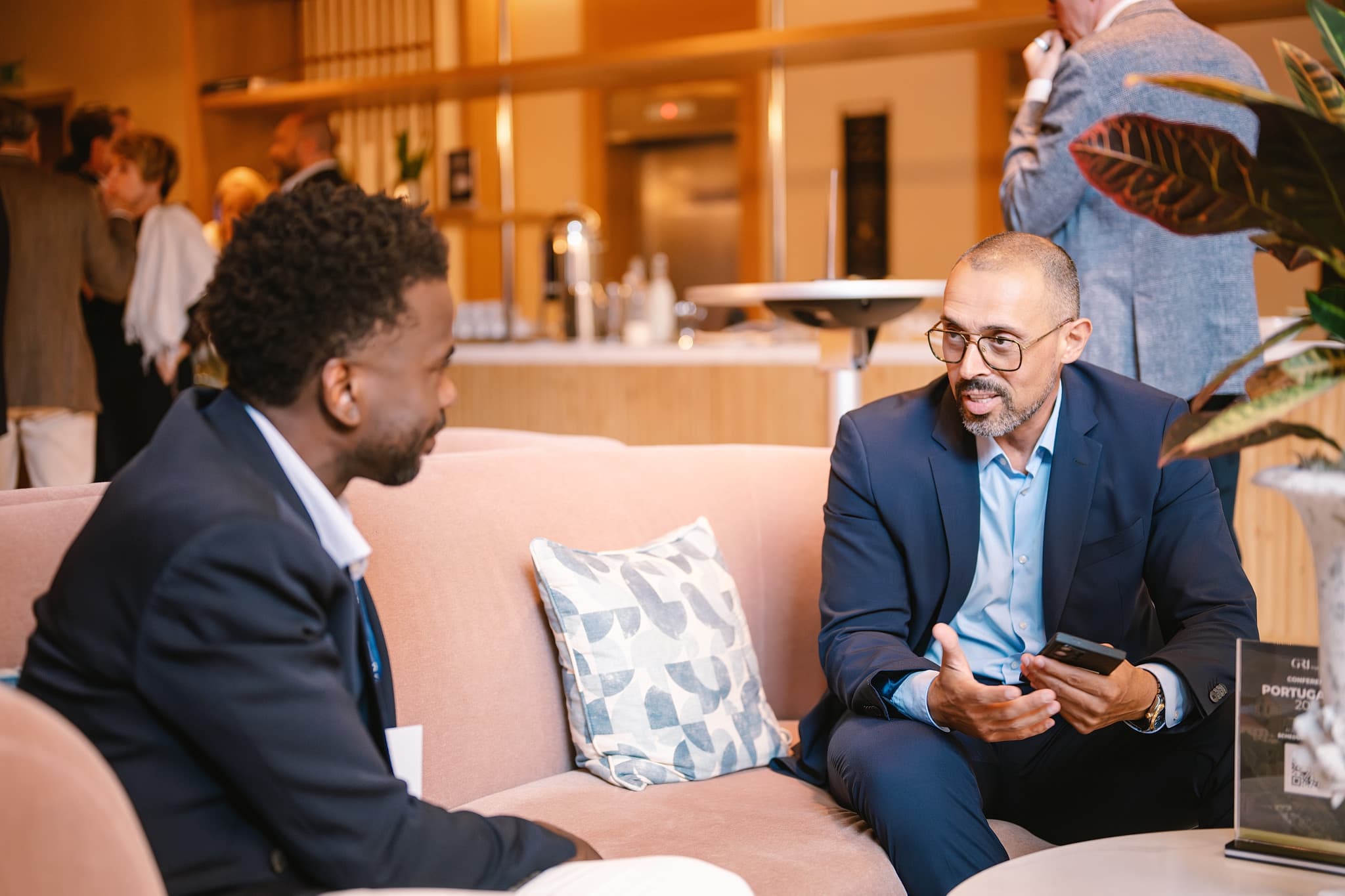
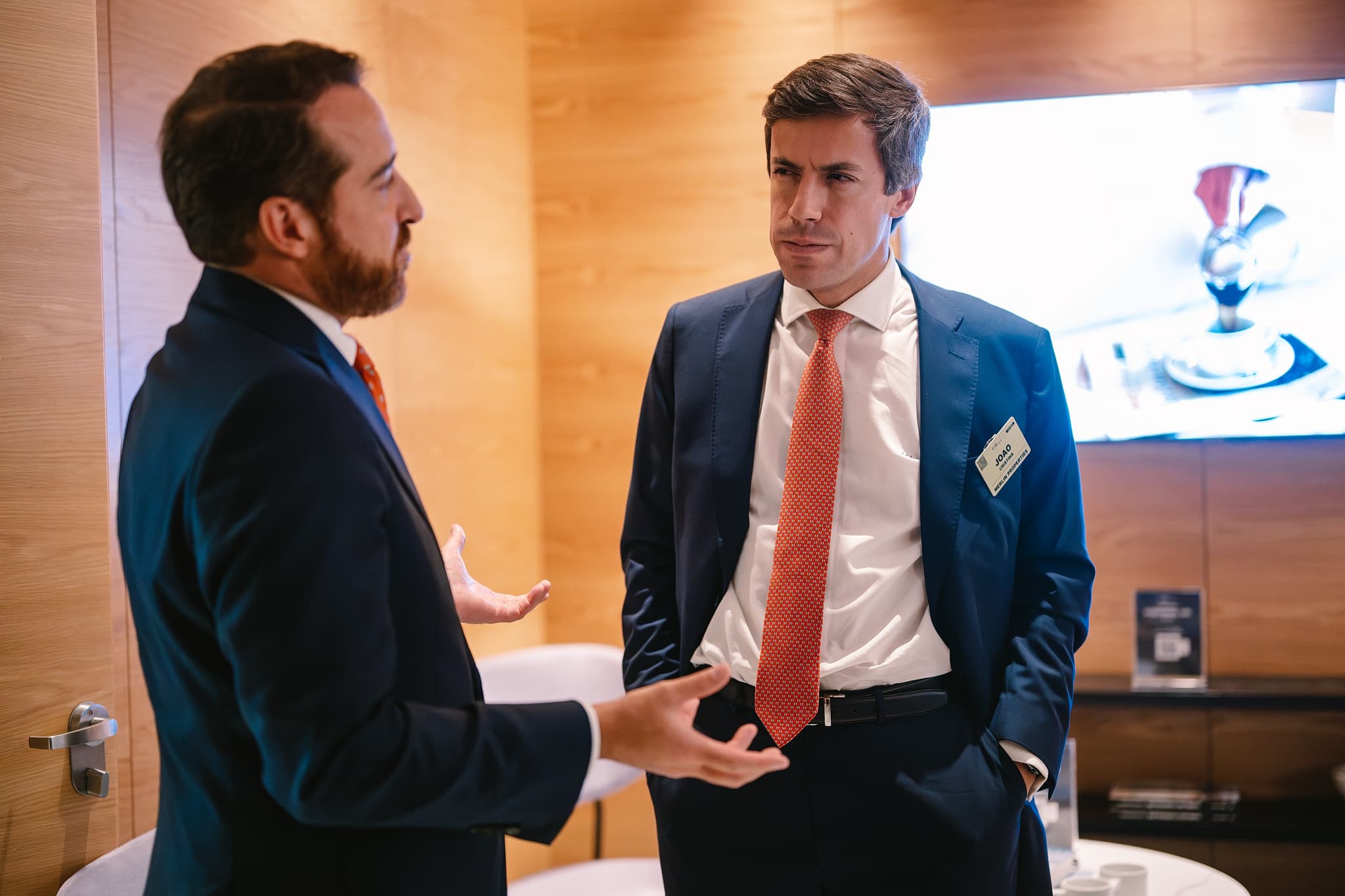
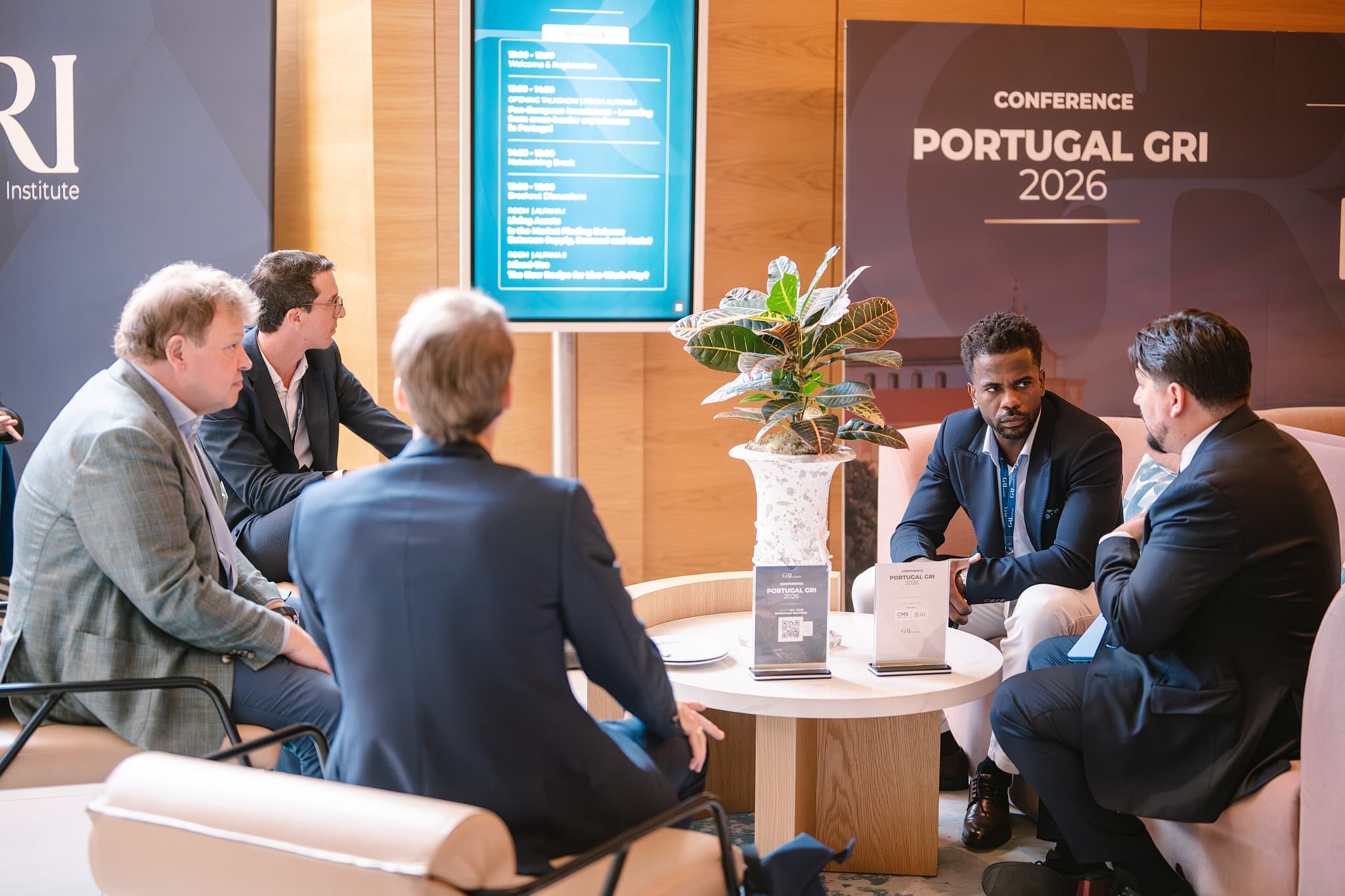
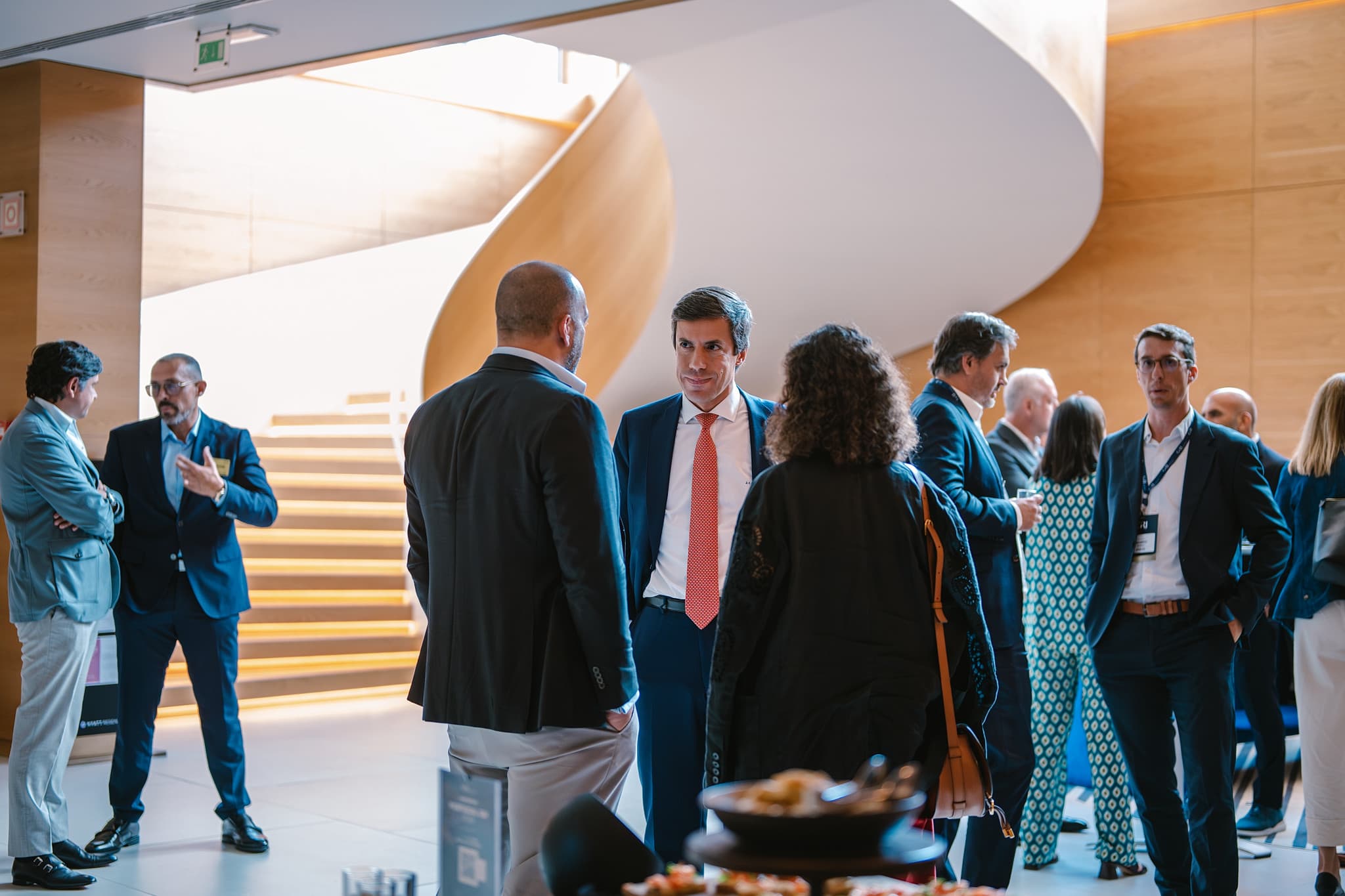
Working discreetly does not mean leaving the photographs to chance. I still need to watch the composition, available light, background and visibility of the organiser's branding. Small changes in position can remove a distracting object, separate people in the frame or make an interaction easier to understand.
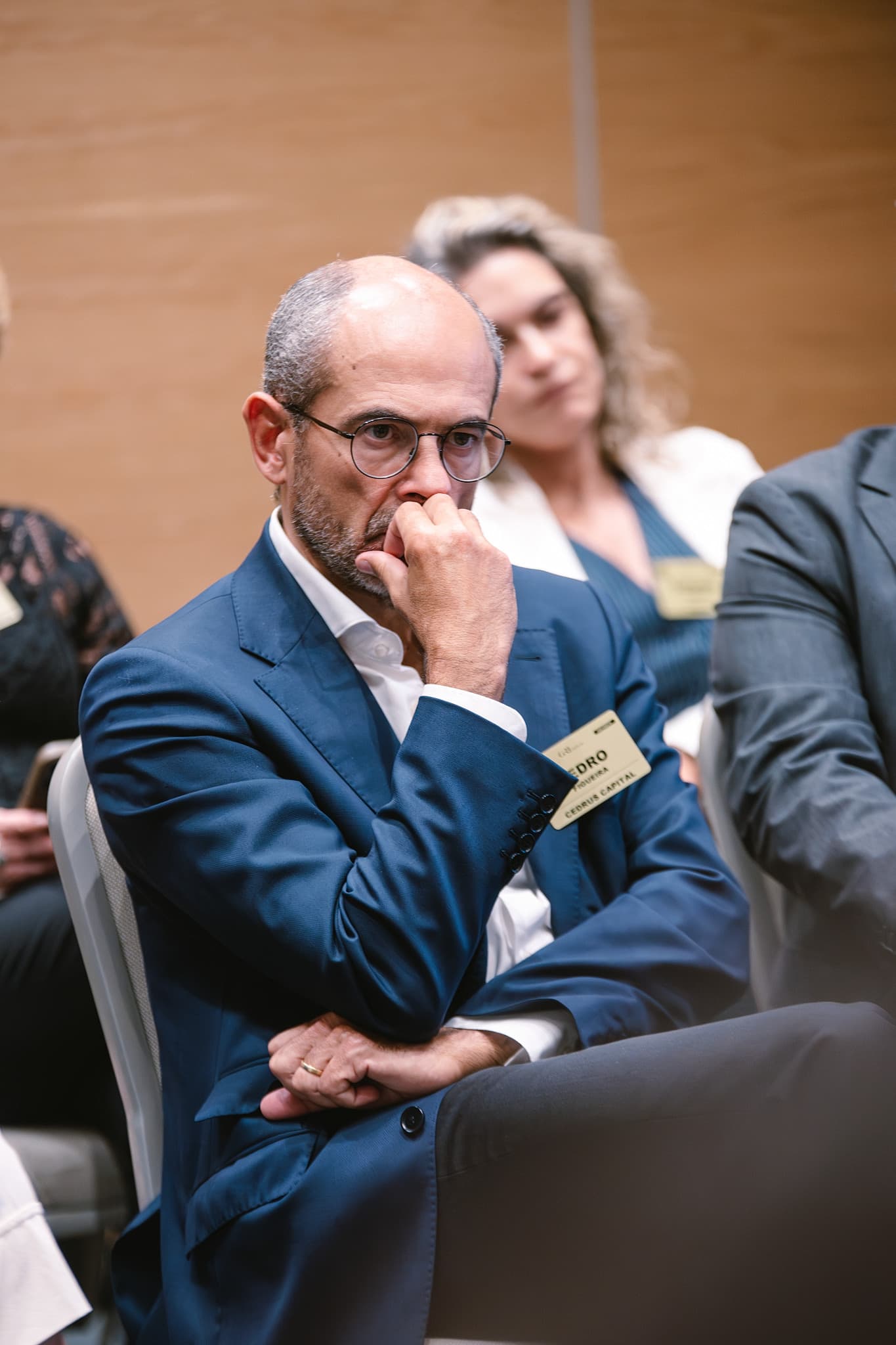
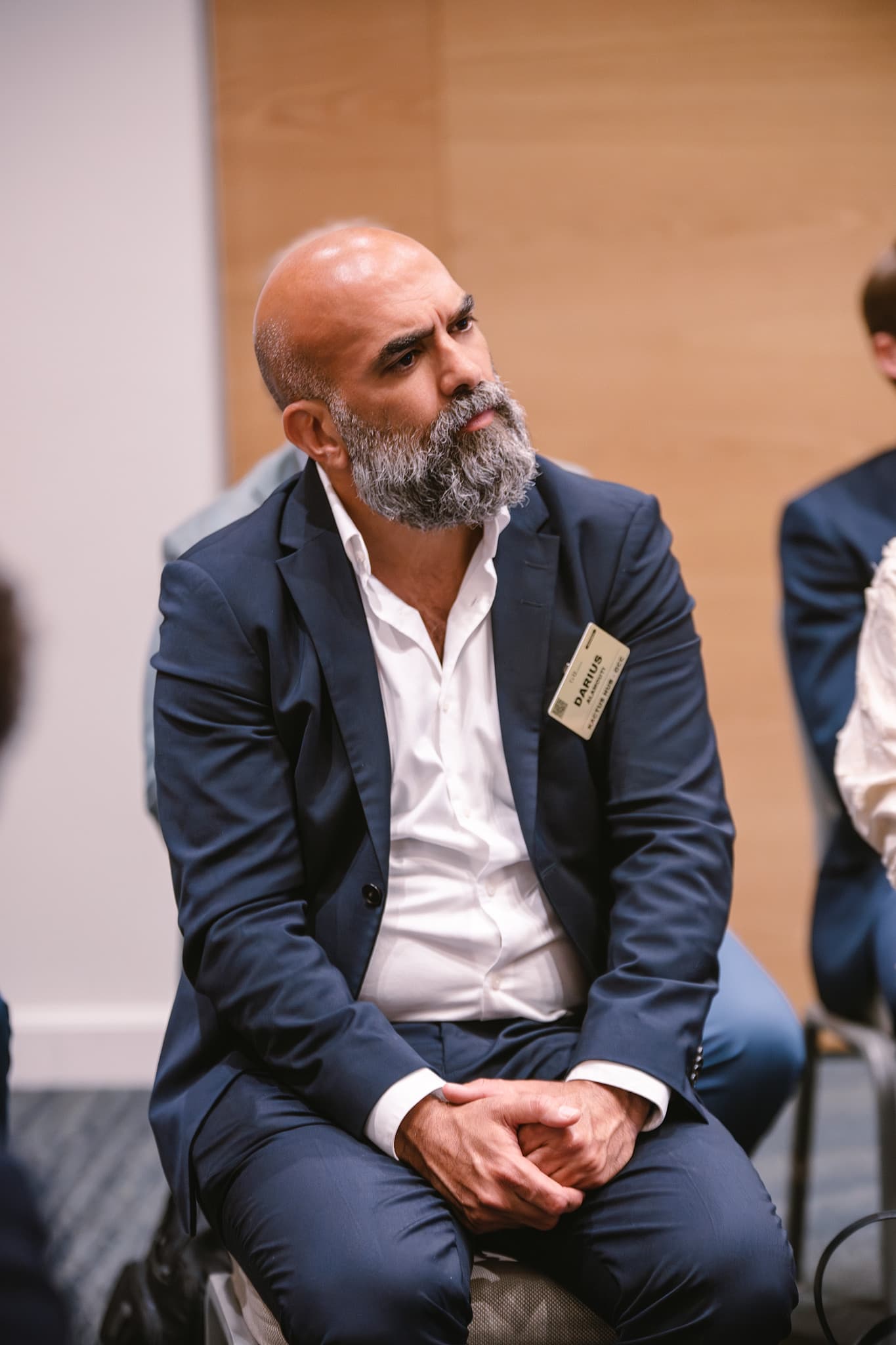
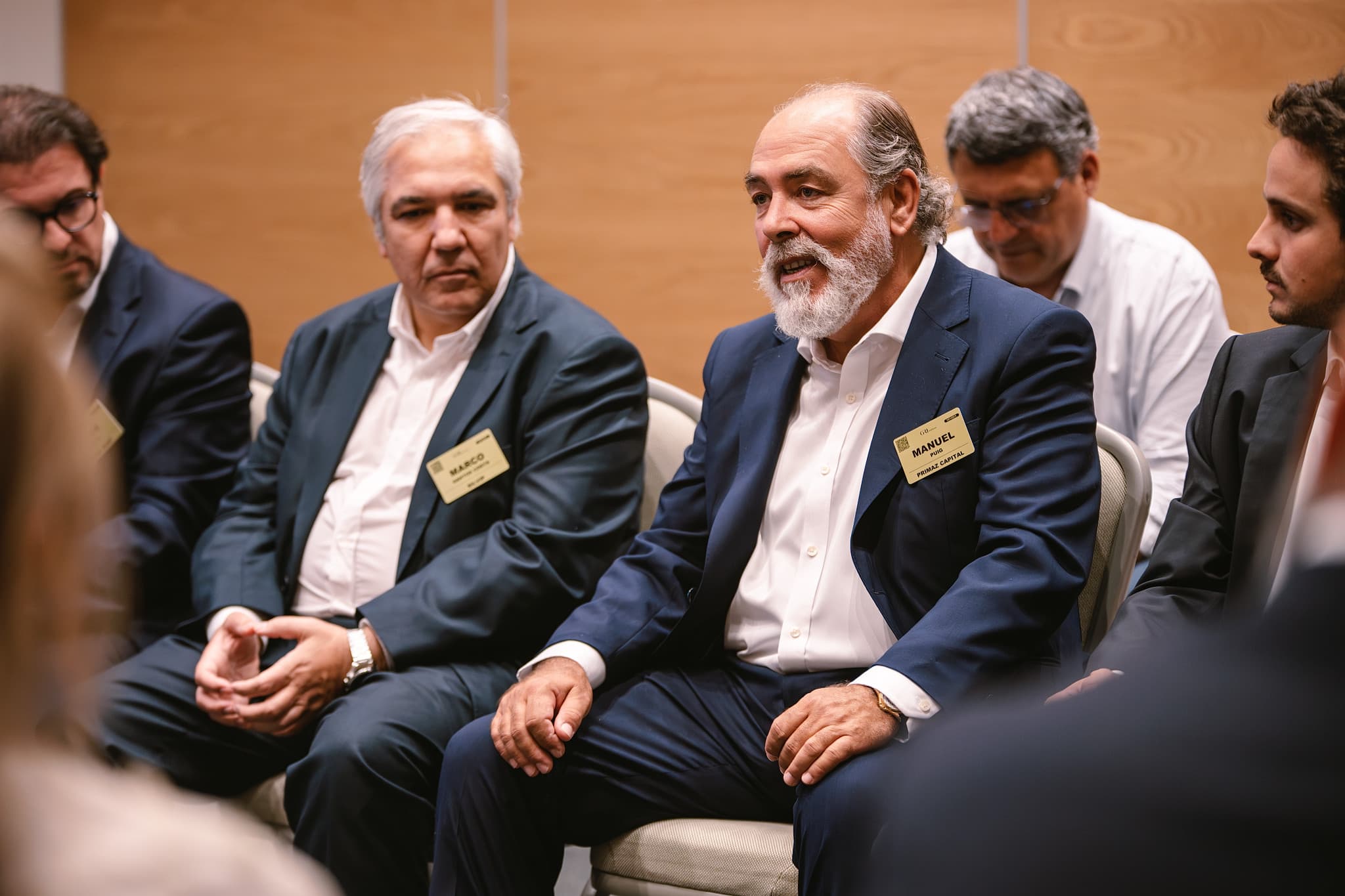
Expressions and gestures often last only a moment. I watch how a conversation develops and anticipate when someone may react, laugh, ask a question or turn towards another participant. This produces photographs that feel natural because the moment itself was natural.
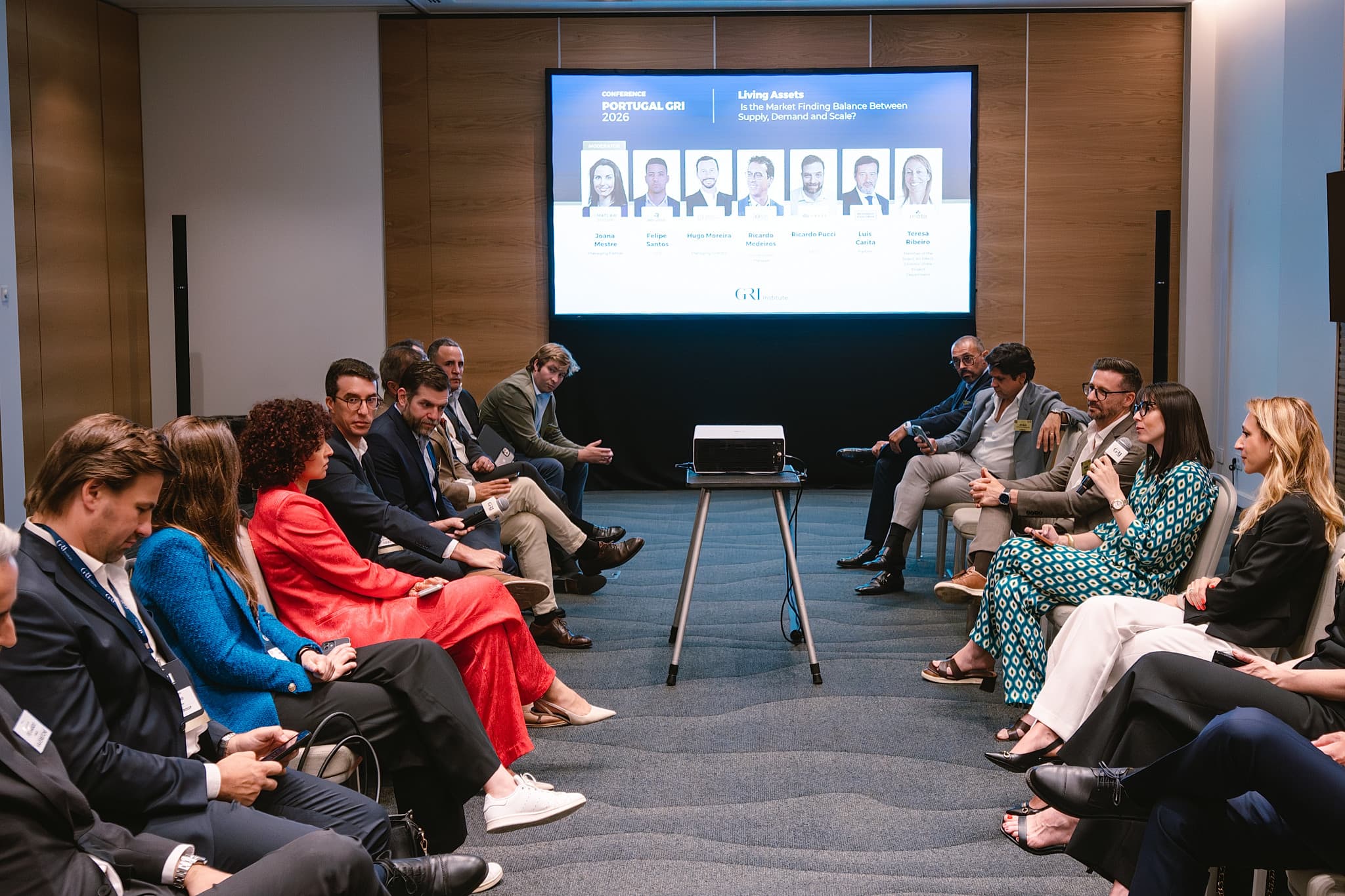
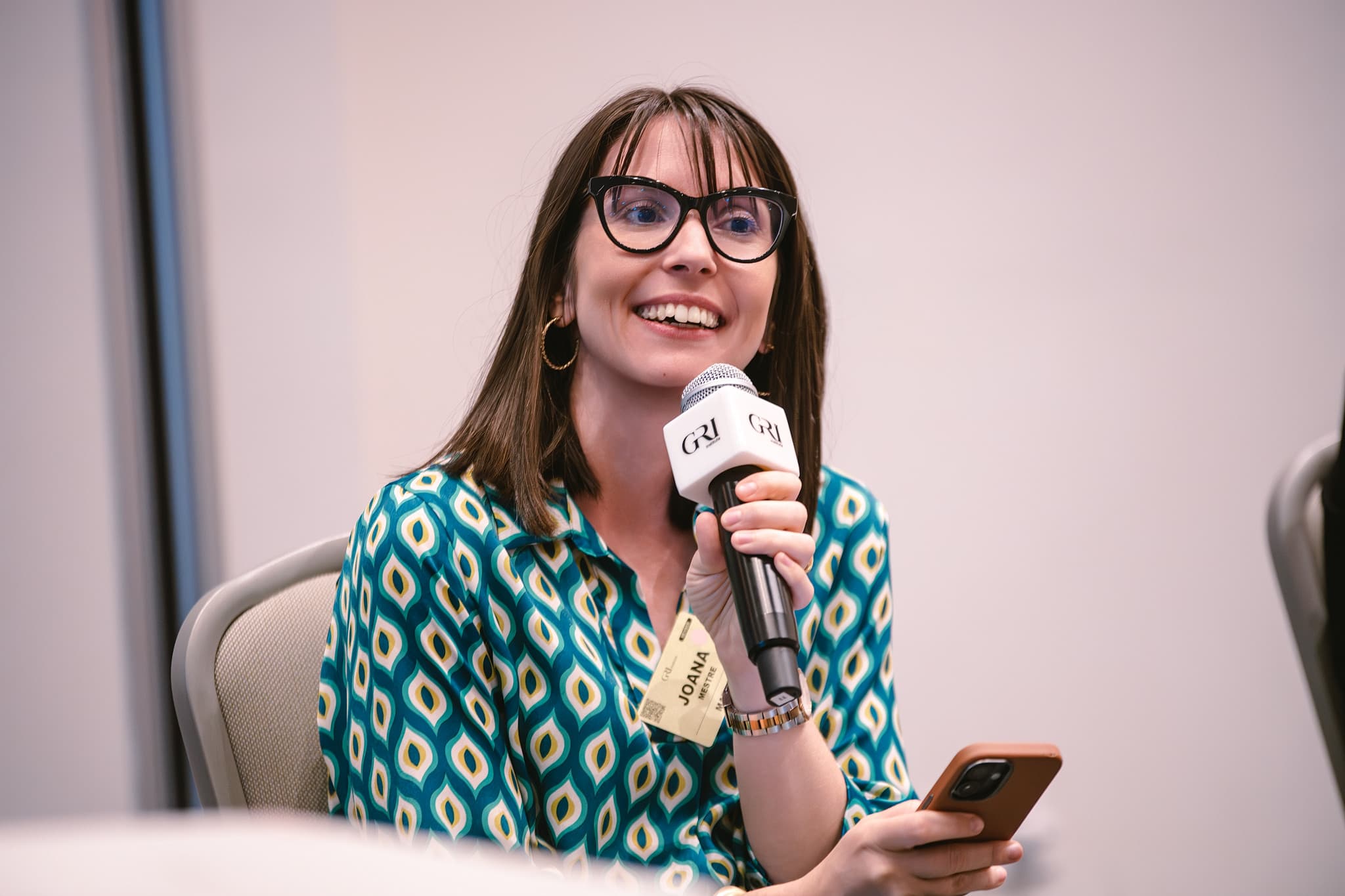
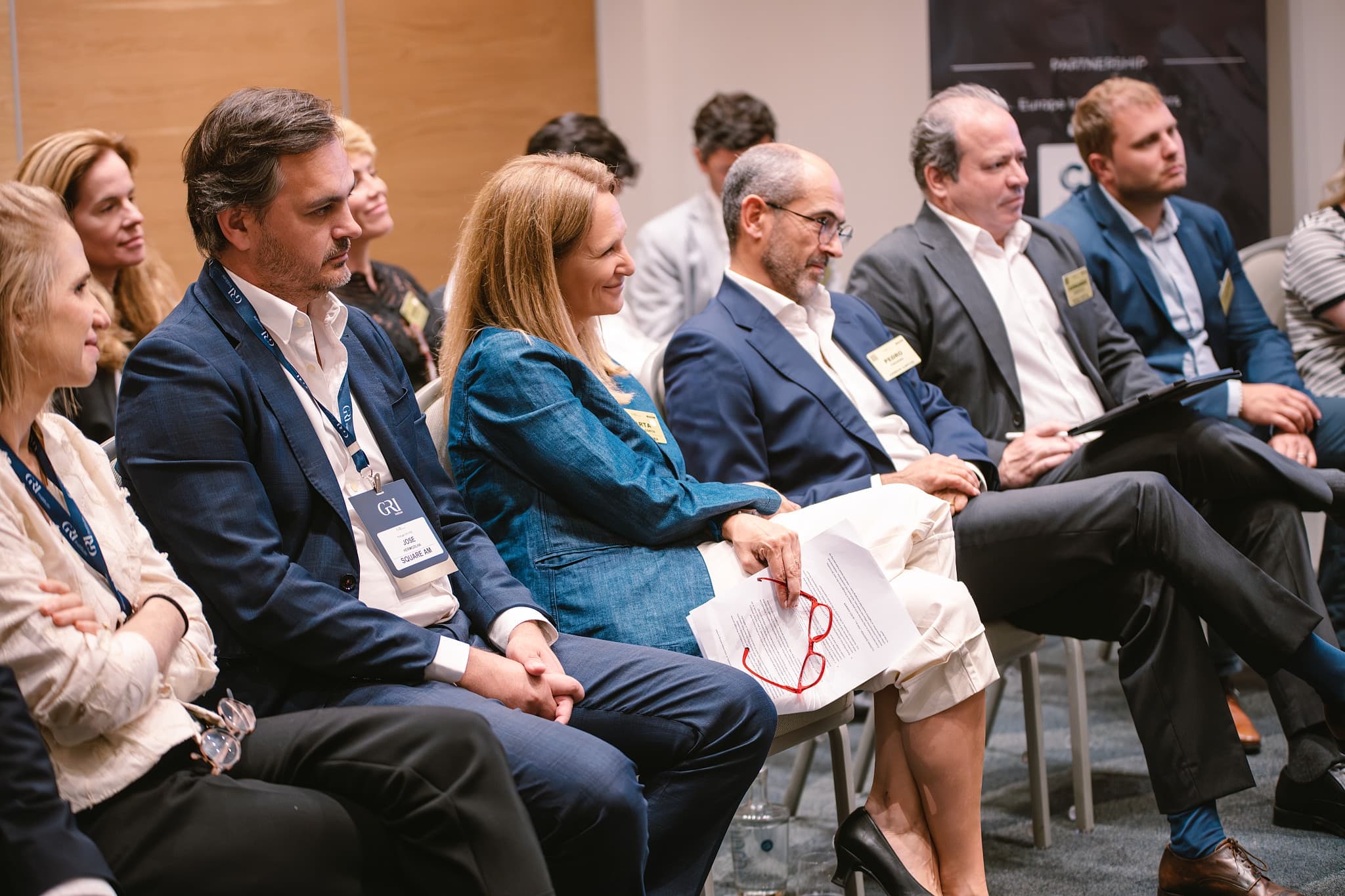
When a group photograph or portrait is needed, I can provide clear direction and complete it efficiently. For most conference coverage, however, the strongest images come from observation rather than posing.
Maintaining Variety Across a Two-Day Event
Photographing approximately eight hours per day requires consistency without repetition. Similar rooms, recurring session formats and many hours of networking can easily produce a gallery in which every photograph feels the same.
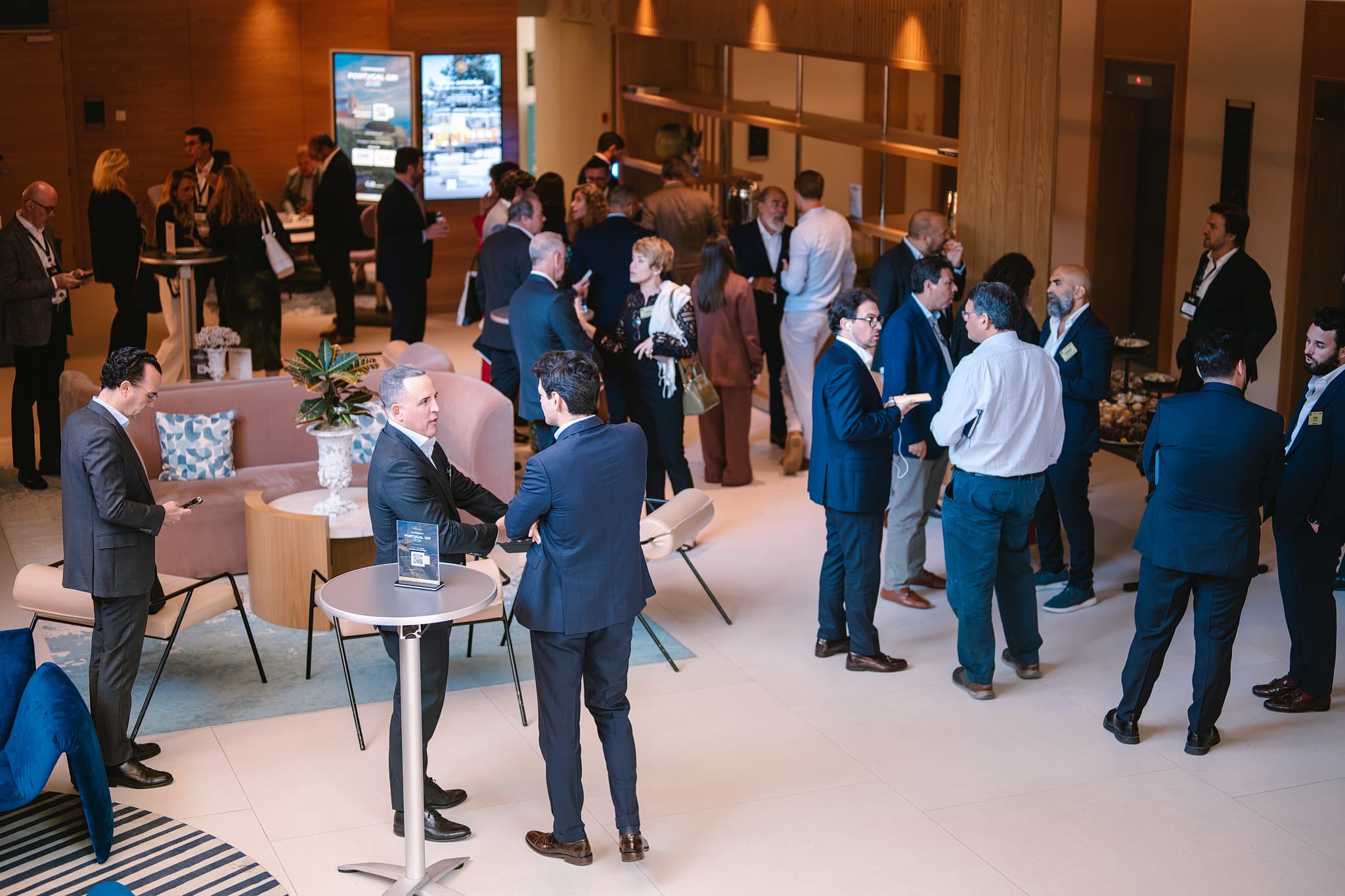
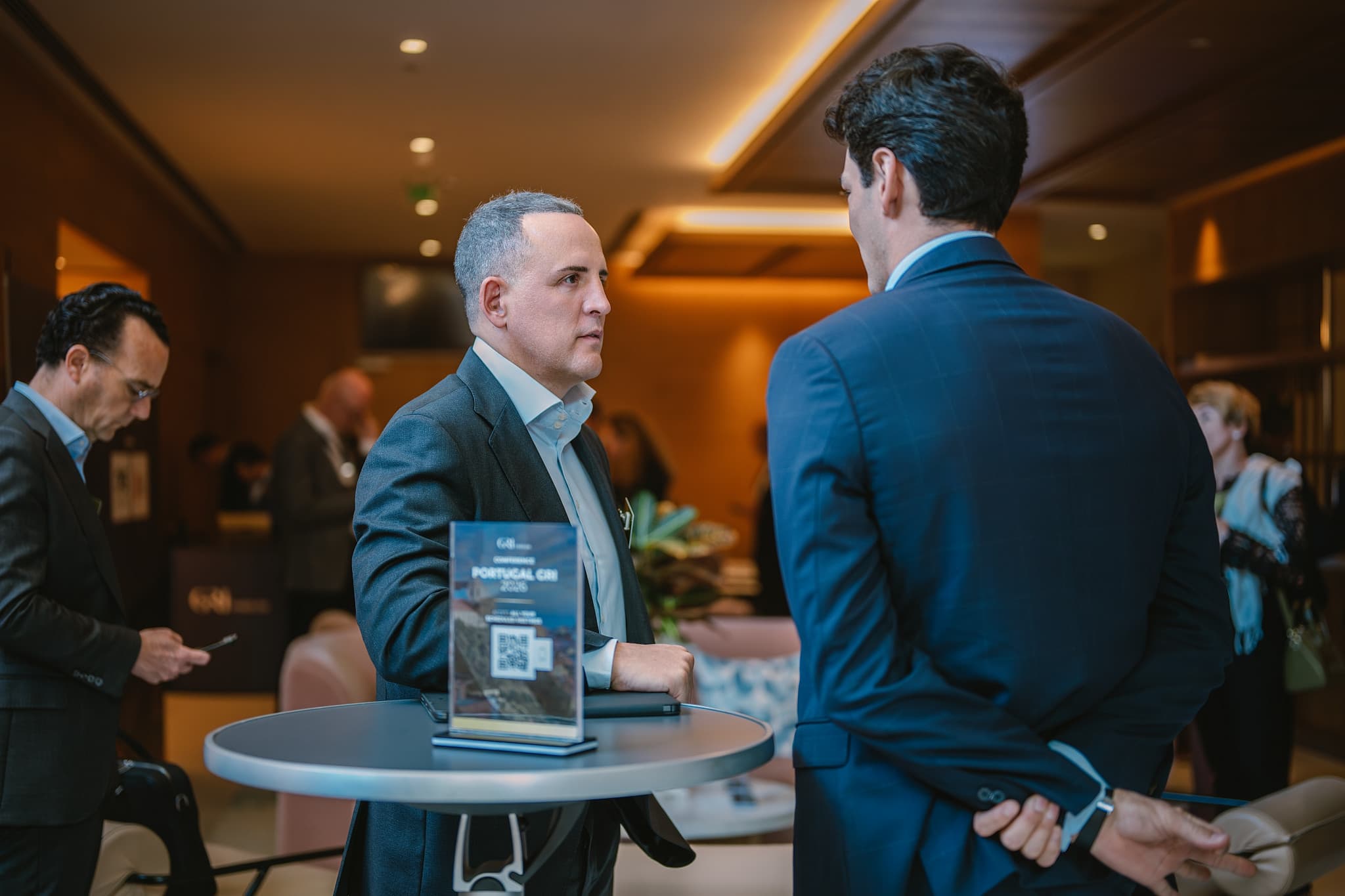
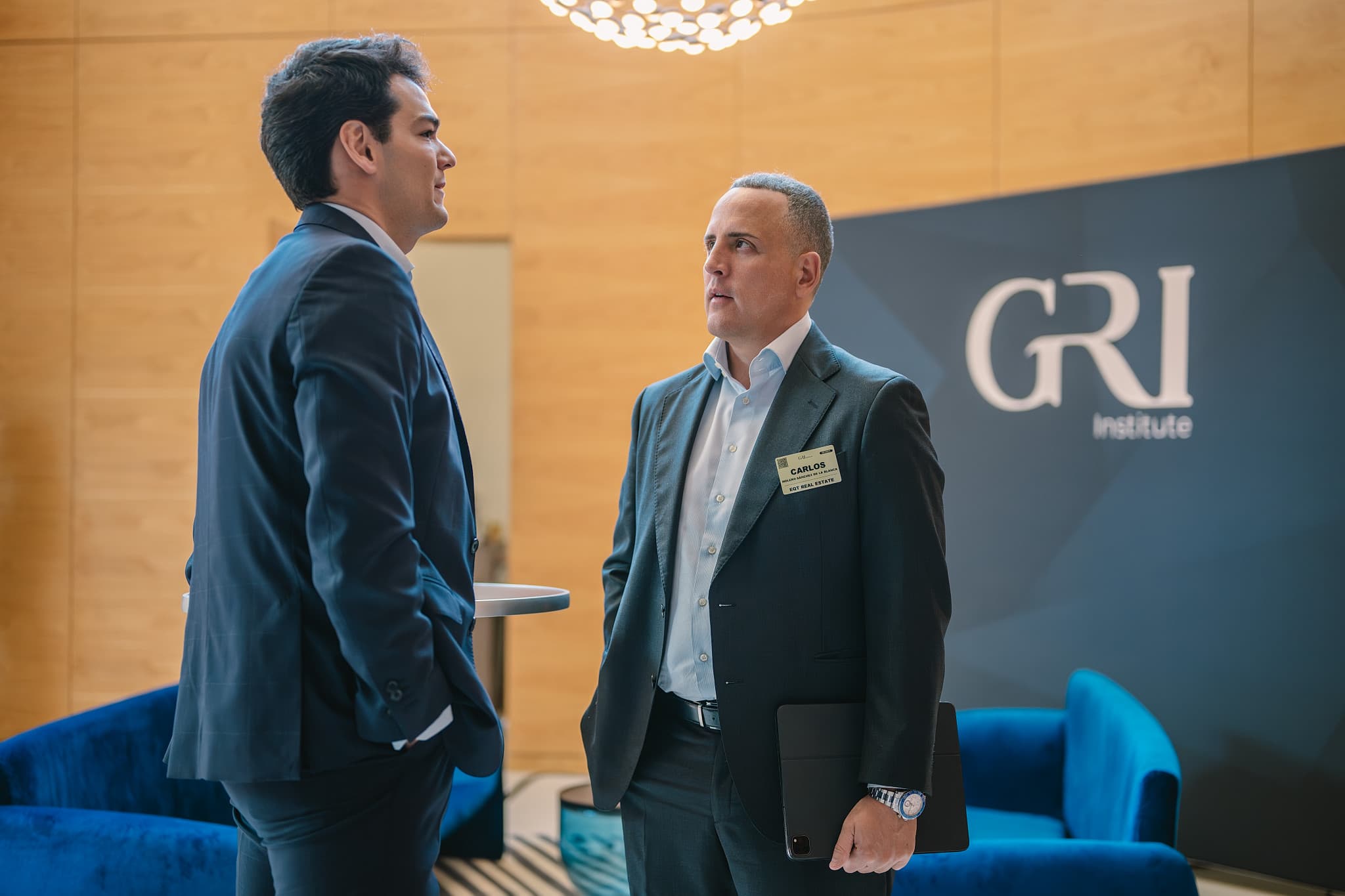
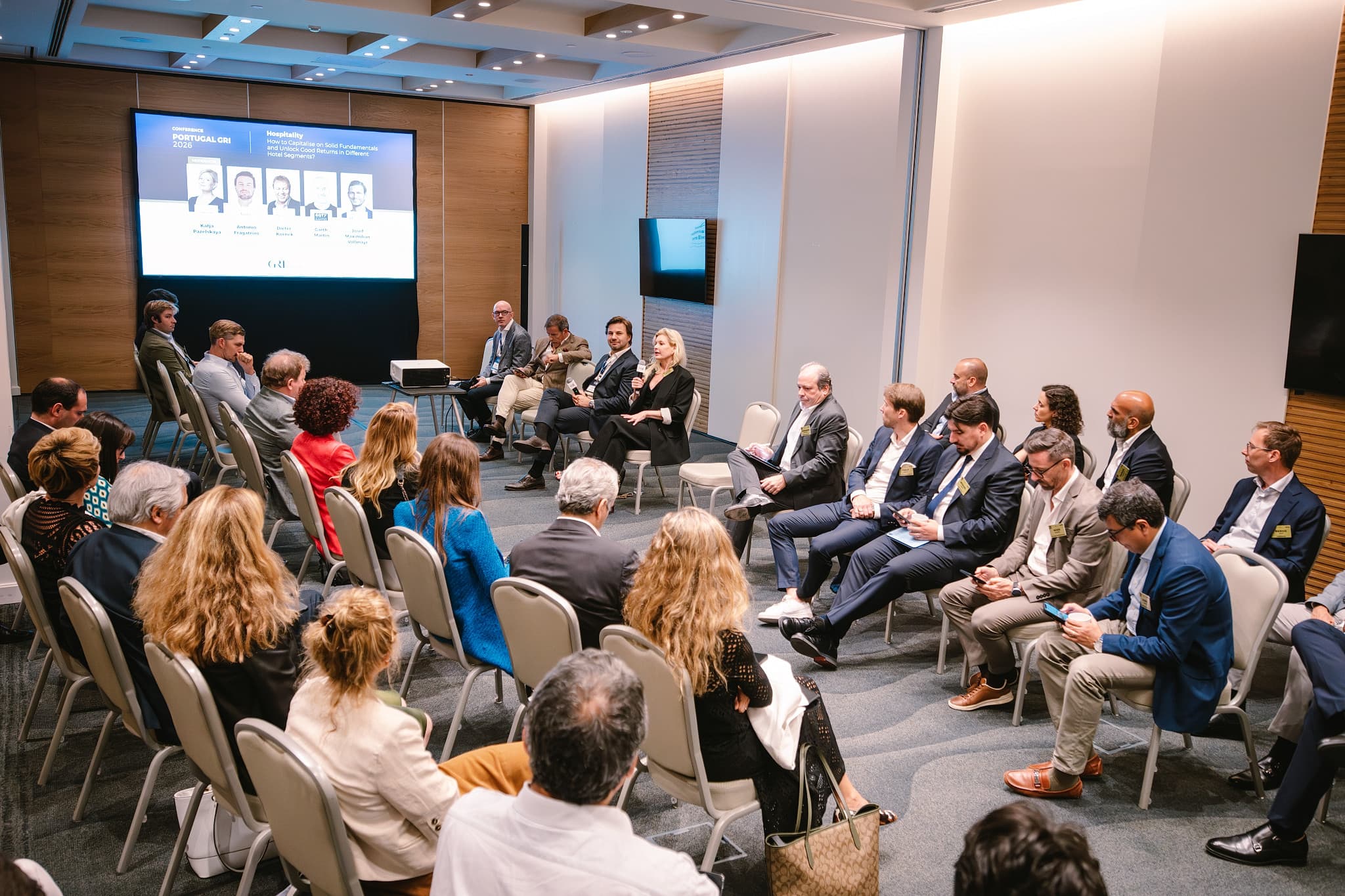
Across the two days, I varied the distance, perspective and type of interaction being photographed. Wide images established the scale and setting. Medium compositions showed discussions between several people. Close photographs concentrated on speakers, reactions, gestures and details.
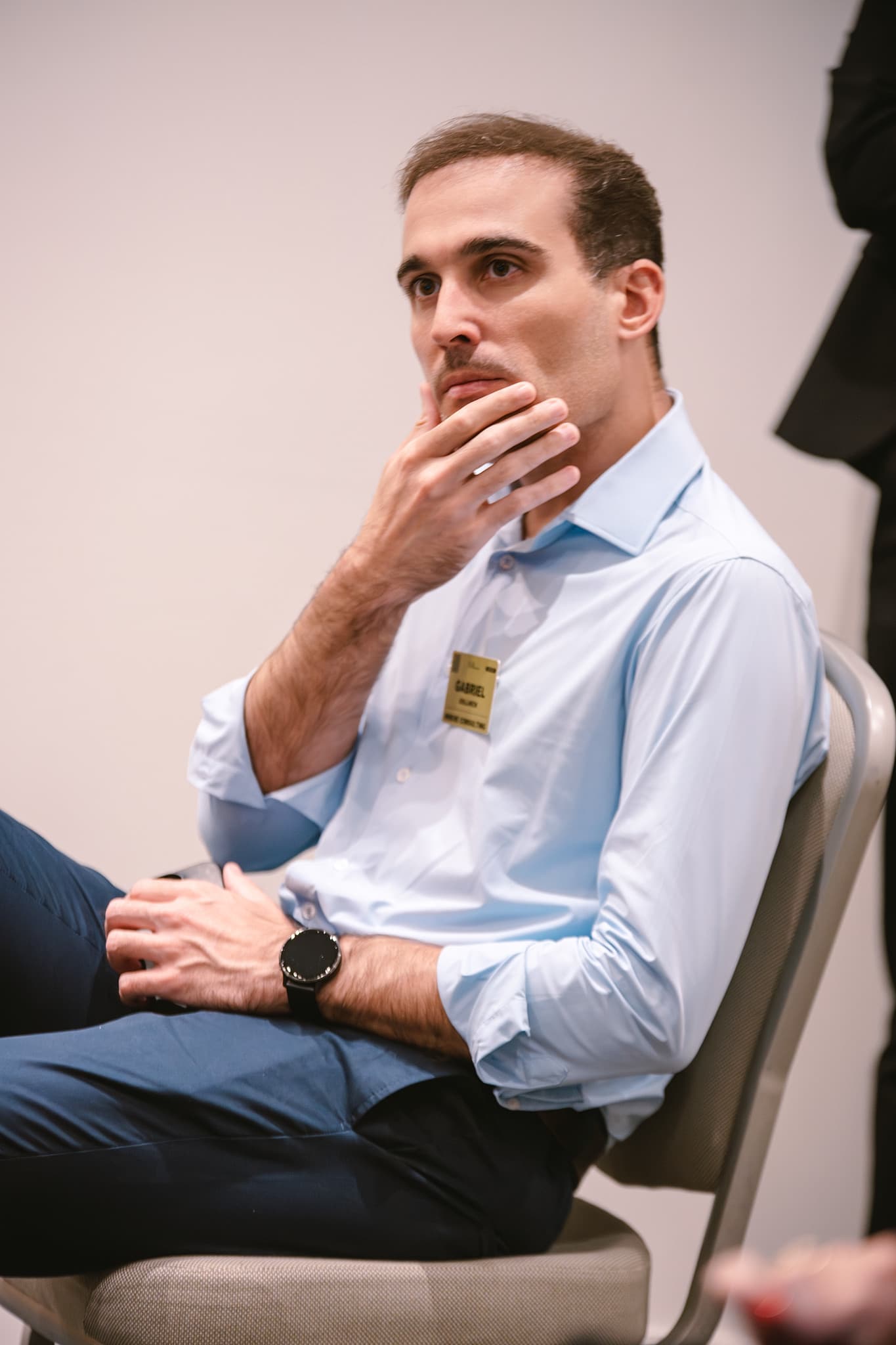
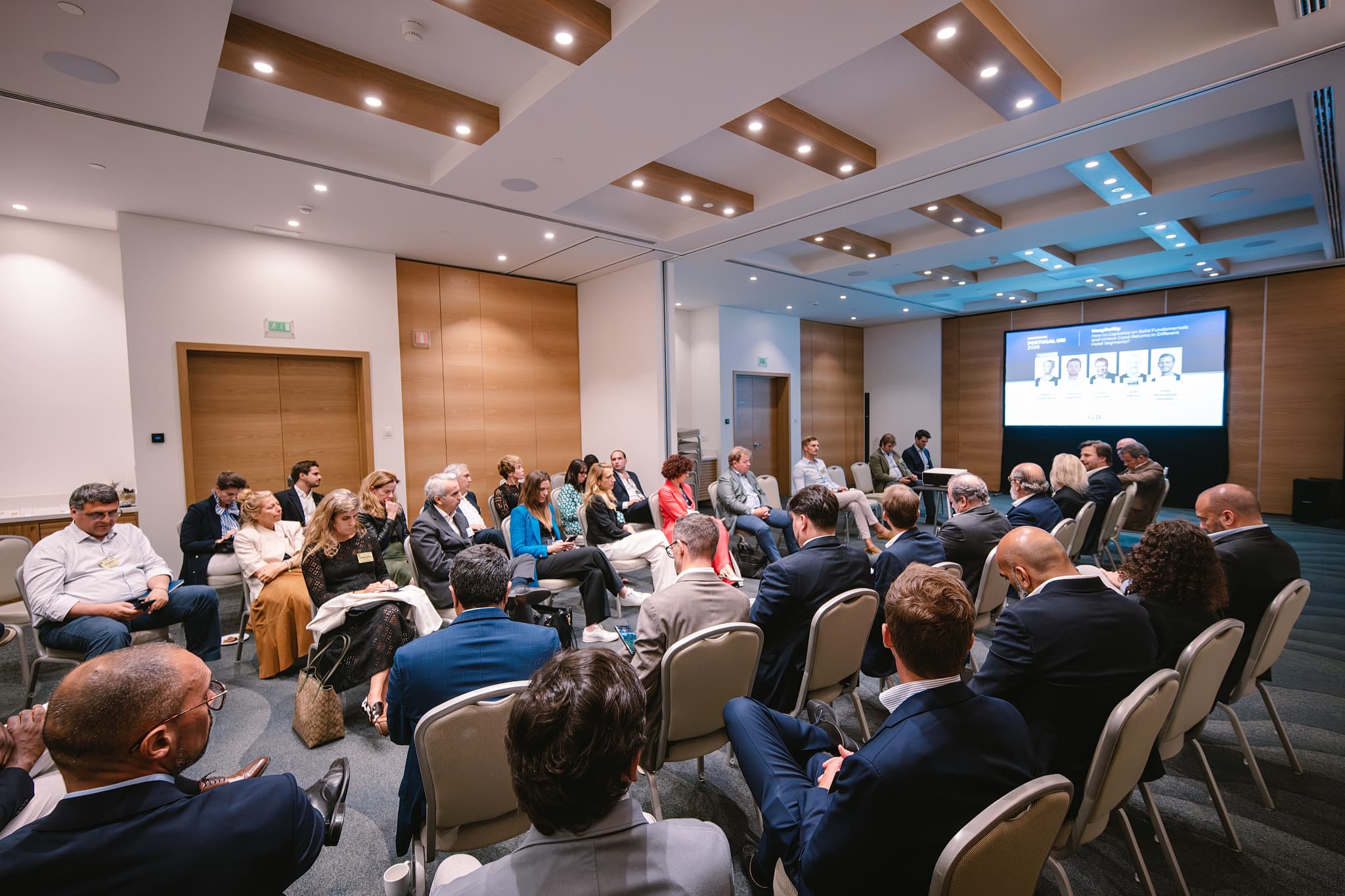
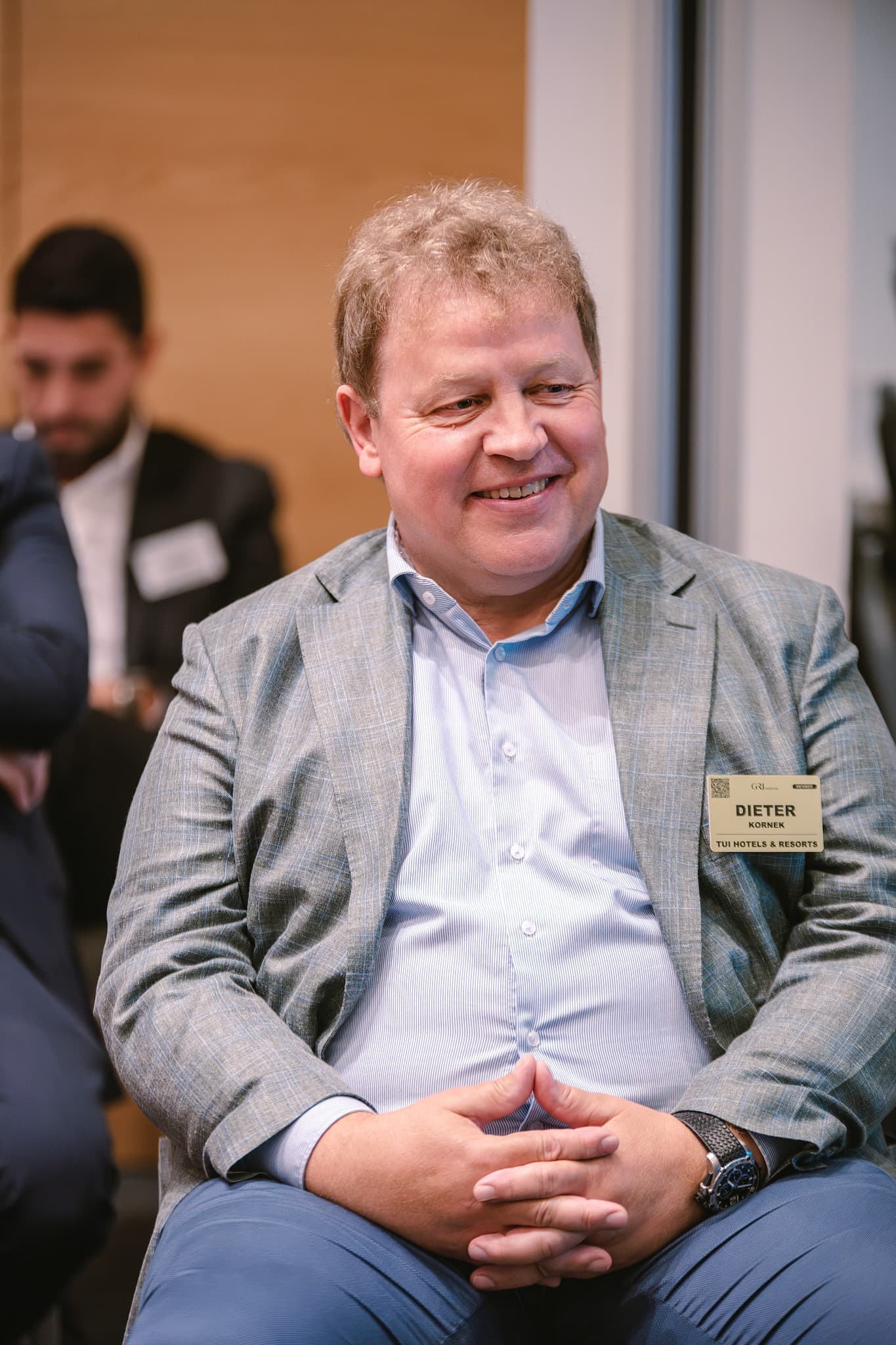
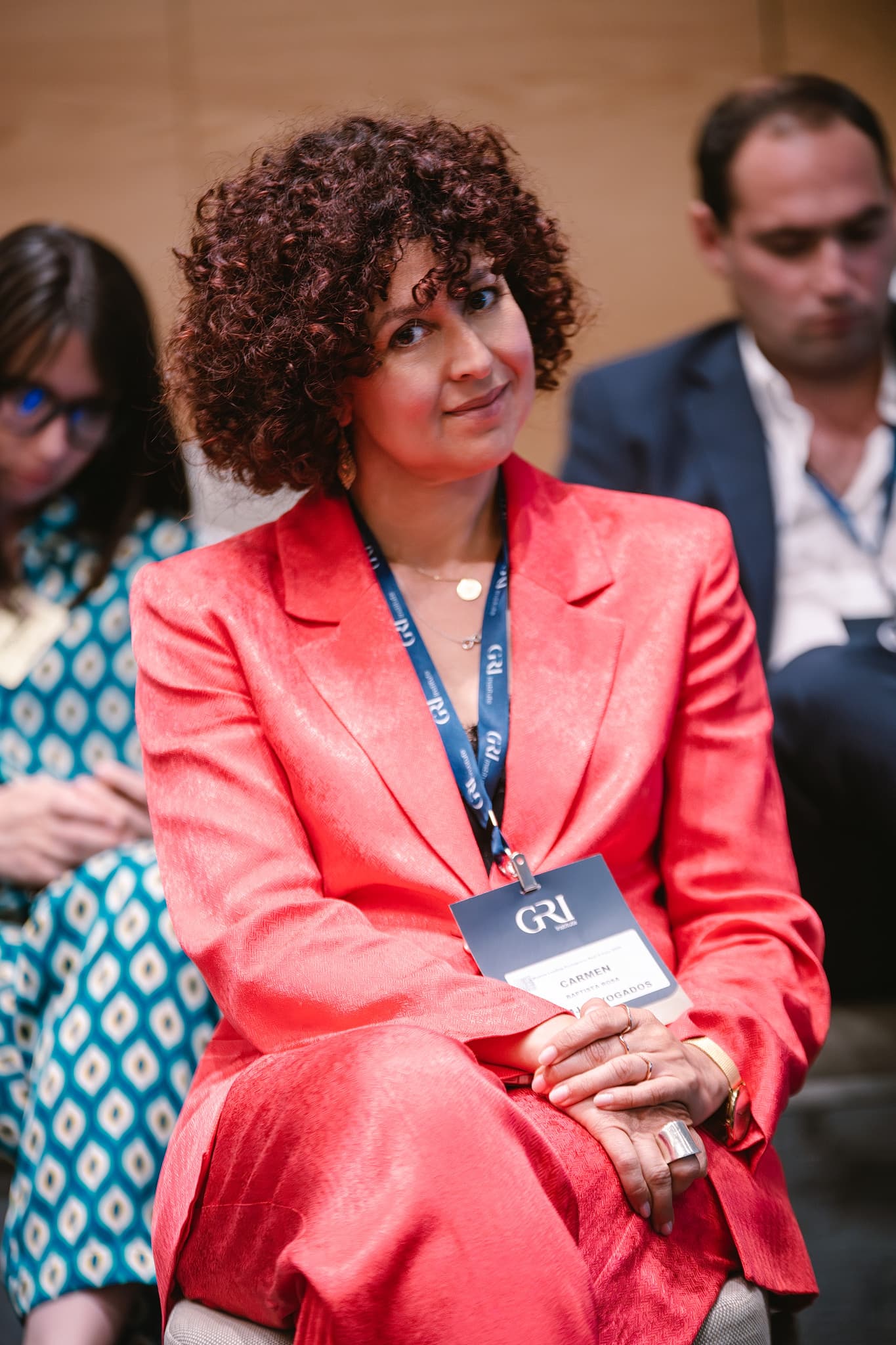
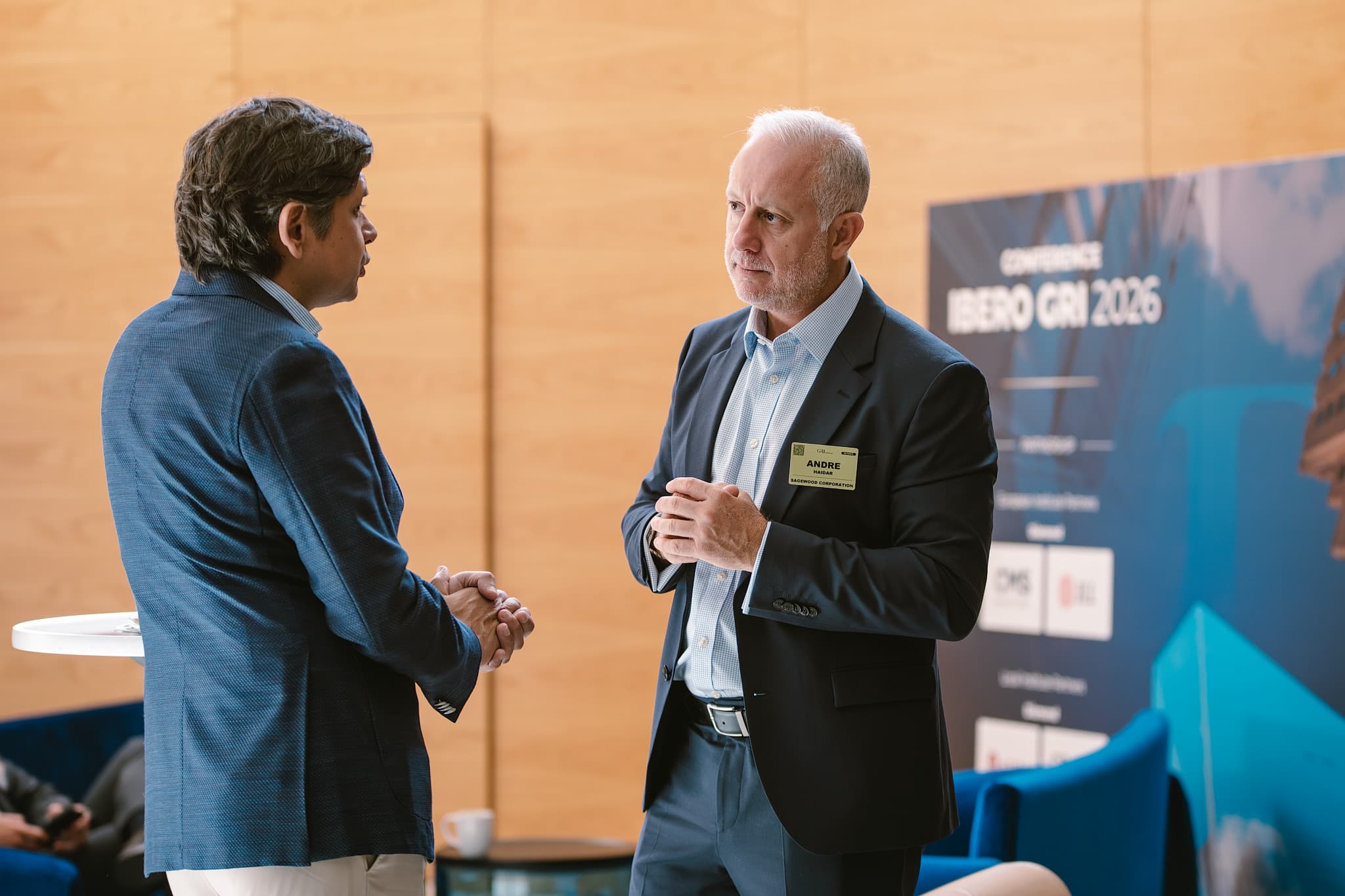
I also followed the progression of the programme. The first arrivals, active roundtables, coffee breaks and evening conversations each had their own place in the final story. At the same time, I kept the overall visual style consistent so the photographs could be used together across websites, social media, presentations and communications with partners.
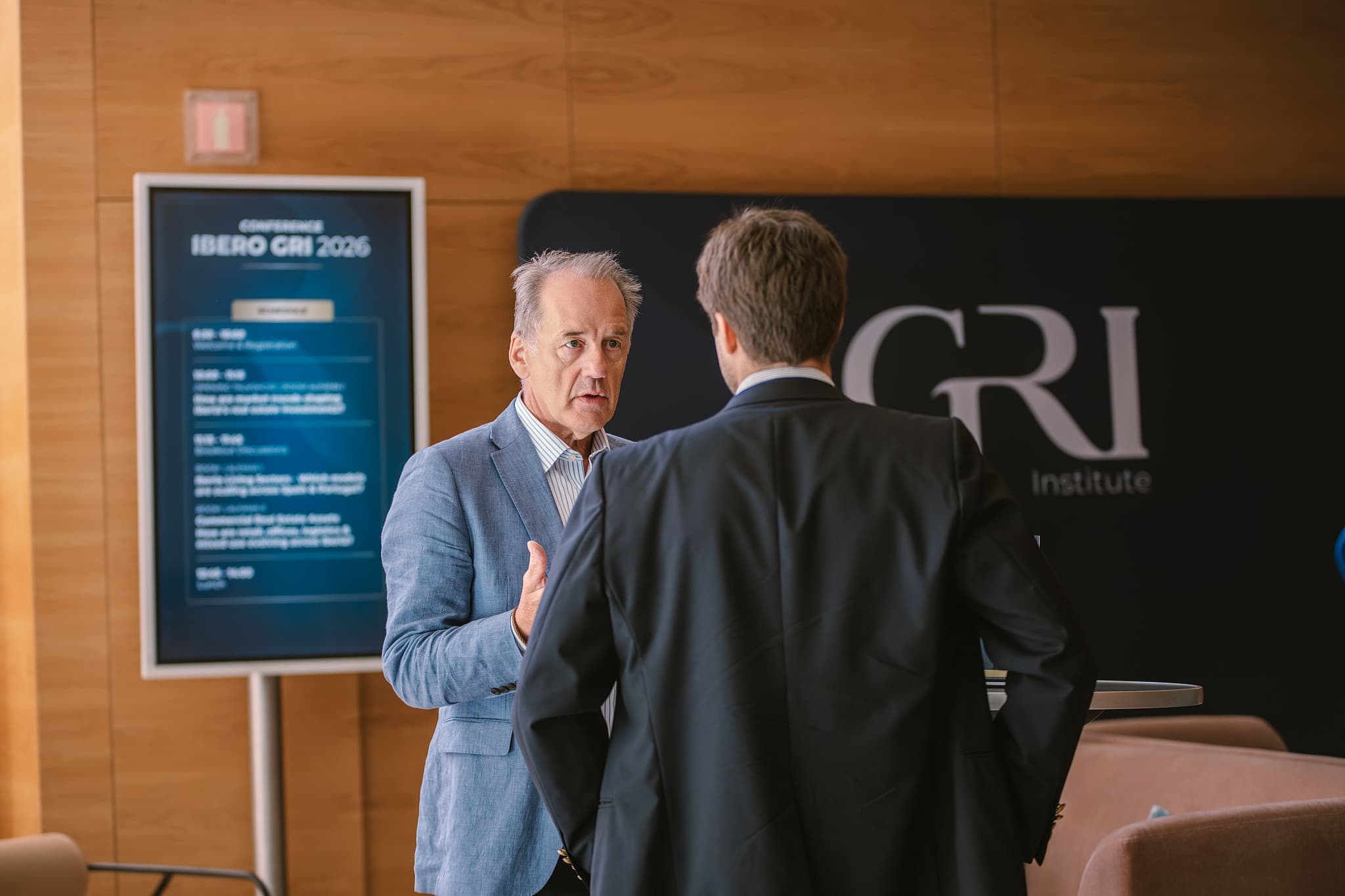
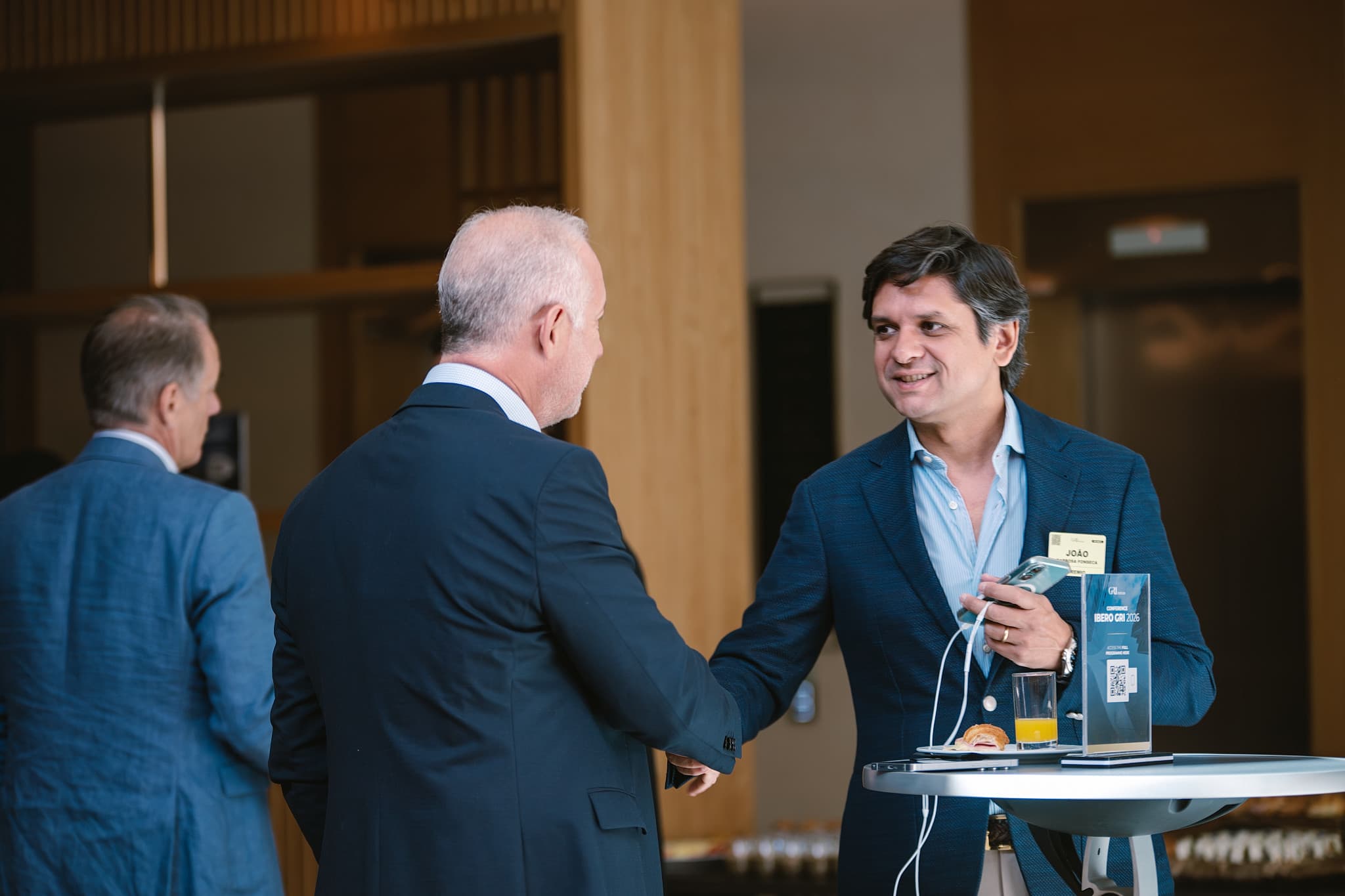
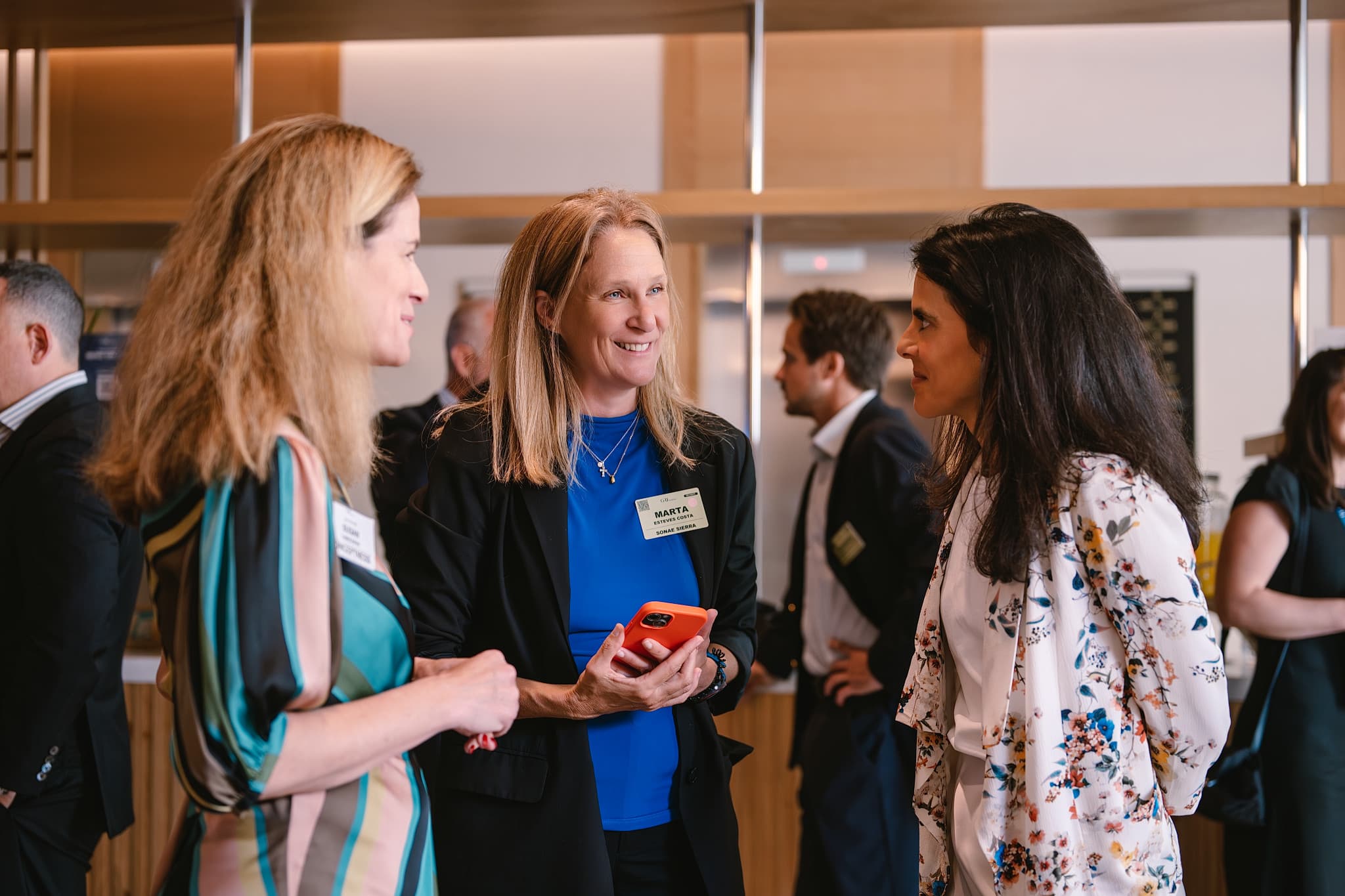
Long event coverage also means remaining attentive to different participants. The gallery should not be dominated by the same few people simply because they were seated in the easiest position to photograph. Moving through the available spaces and following the schedule helped create more balanced coverage of the programme.
Photography for Conferences and Corporate Events in Lisbon
This assignment at Hyatt Regency Lisbon demonstrates how I approach full-day and multi-day corporate event photography: preparation, discreet coverage and close attention to the communication taking place between people.
I photograph conferences, congresses, business forums, networking events, corporate dinners, presentations and international company events in Lisbon and across Portugal. Coverage can include registration, speakers, panel discussions, audience reactions, exhibition areas, sponsor branding, networking and team portraits.
If you are organising an event in Lisbon, you can view my event photography portfolio or check my availability for your dates.